In Newnham, we share space with at least 30 other mammals. The most obvious are our domesticated Dogs and Cats, but there are many others. Badgers, being nocturnal, are rarely seen, but there are flourishing badger setts in Newnham College grounds, Millington Wood, the Pembroke allotments and in the nearby wood. Although I re-homed several Hedgehogs last year, this has now stopped because of the presence of the badgers. If anyone has seen a hedgehog recently, I would love to know.

Then, in the river, Otters and Water Voles have returned. Otters are nocturnal and you need luck to see them, but Water Voles can be seen along the mill leat beside the (now barricaded) playground. Mink were recorded as late as 2008, but thankfully have since been eliminated and this may have helped the return of water voles.
Small mammals include Bank Vole, Field Vole, Wood Mouse, Yellow-necked Mouse, House Mouse, Rat, Common Shrew and Grey Squirrel. Pygmy Shrew and Harvest Mouse have both been recorded in Paradise. I have once seen a Stoat on the Pembroke allotments many years ago and recently a Weasel appeared, crossing the path from Pembroke wood to Skaters’ Meadow. Initially, I thought it was a stoat, but with later clearer views, it was too small (sausage not cucumber) and reddish-brown, without a black tip to the tail. “They are weaselly told apart, as they are stoatally different” is the old unhelpful adage.
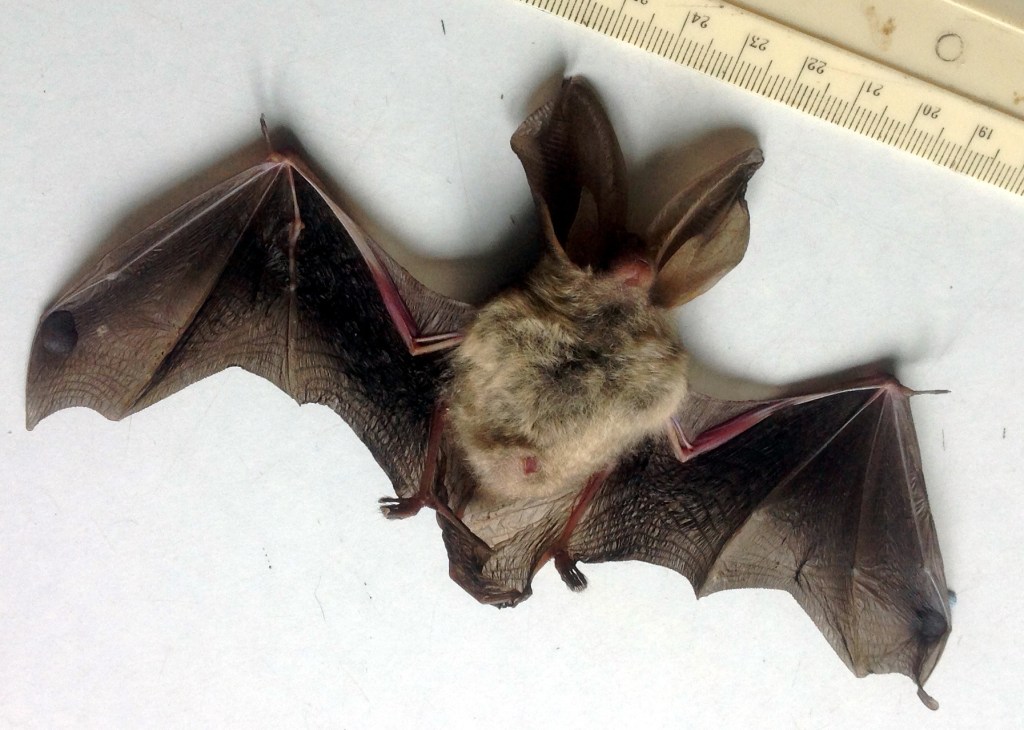
We have seven species of Bat: Daubenton’s, both Soprano and Common Pipistrelle, Noctule, Brown Long-eared, Natterers and Serotine have all been recorded. Soprano pipistrelle is the most common, flitting between the trees at dusk and dawn and swooping down for moths. Daubenton’s can be seen flying low over the river in a straight line, picking up prey as it goes.
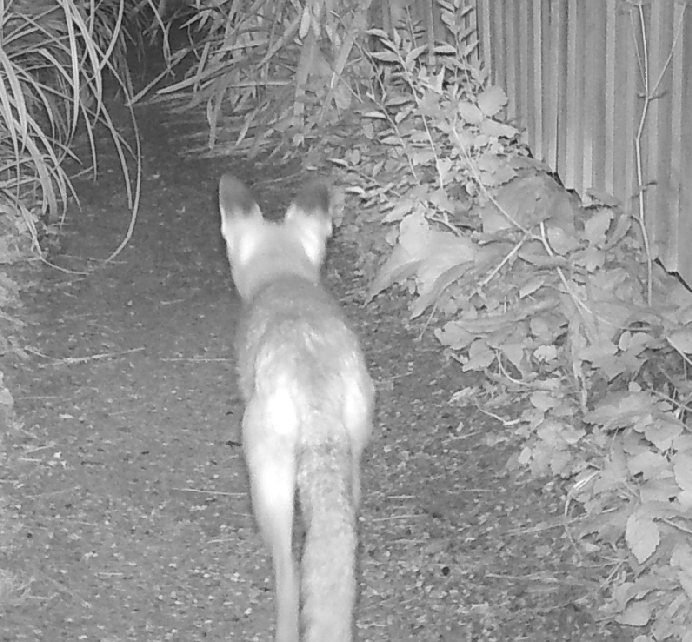
Both Fox and Muntjac are frequent visitors to gardens. Muntjac are a plague! Non-native, fast breeding and spreading widely, they no longer bother to hide through the day and are liable to attack any newly planted shrubs or vegetables. Although they are small, barriers do not seem to keep them out. Foxes are suspected of the recent attack on the White Feral Geese on the triangle, who have now disappeared altogether. When I first lived in Newnham 20 years ago, there was a breeding flock of about 23, but they have declined progressively.
Moles are another animal rarely seen. However, their handiwork can be seen on the playing fields and on Lammas Land – mounds of recently dug earth betraying the latest diggings. Hares can sometimes be seen on the fields above Grantchester Rd, but I am not aware of Rabbits nearby. Can anyone think of any more?
I forgot the cows!! After a 4 month winter indoors, young cattle are released on to Coe Fen and the Meadows, to kick their heels and eat fresh grass. While visitors may find this intimidating, the locals are used to walking past at close range. Their dung pats encourage all sorts of invertebrate wildlife, which use the dung as a resource for feeding and breeding and which in turn feed the bats and birds.
Olwen Williams olwenw@gmail.com April 2020

 Friends of Paradise Nature Reserve