Summer Report 2026
Dear Friends,
As the Queens’ new development at Owlstone Croft looms over the reserve, it’s good to report that the six mature Downy Birch trees, planted in spring as a replacement for the felled poplars, are surviving the drought and heatwaves.
This is thanks to everyone who has been taking bottles of water on their walks, and especially to Brian and Dario, who since they were planted have given the trees copious water every Monday.
It is also thanks to very generous financial donations, which has made it possible for us to employ Mercer Tree Services to water the trees weekly throughout June, July and August, and into September.
As the hot weather is forecast to continue, all of these strategies will be vital for the survival of the trees, which are the future green screen and bat flight-path along the boundary .
For the regular care and maintenance of the reserve, many thanks to the following :
To Simon Coe, who sweeps and maintains the boardwalk, cuts back the nettles, and removes dead branches, making walks there safer and more enjoyable. Simon also cares for the riverbank where the Butterbur grows.
To Olwen and Anita for their vigilance for all the wildlife and any threats to it, including Olwen ensuring Queens’ keeping to the Conditions concerning night lighting at the Croft.
To all the dog owners who kept their dogs on short leads during the bird-nesting season. [NB It would be good for wildlife and their own health if dogs could be restrained from going into the polluted river, especially if they have been treated for fleas: the treatment contains toxic Neonicotinoids, which wash off in the water.]
To Susie, for setting up and maintaining the interactive website, and to Lynn, for the Friends of Paradise website and emails, both of which keep us all informed.
To Olwen, for her fascinating and informative seasonal blogs, which can be seen on the Friends Notice boards at the entrances to the reserve.
To everyone who walks through Paradise and picks up litter, especially cans and bottles that can overheat and even ignite, causing fires.
Together, the Friends and the community are caring for and protecting this beautiful and unique wet woodland, for now and for posterity.
We look forward to welcoming you to the AGM in October, and to the resumption of our regular talks.
Best wishes,
Pam Gatrell
Chair of Friends of Paradise
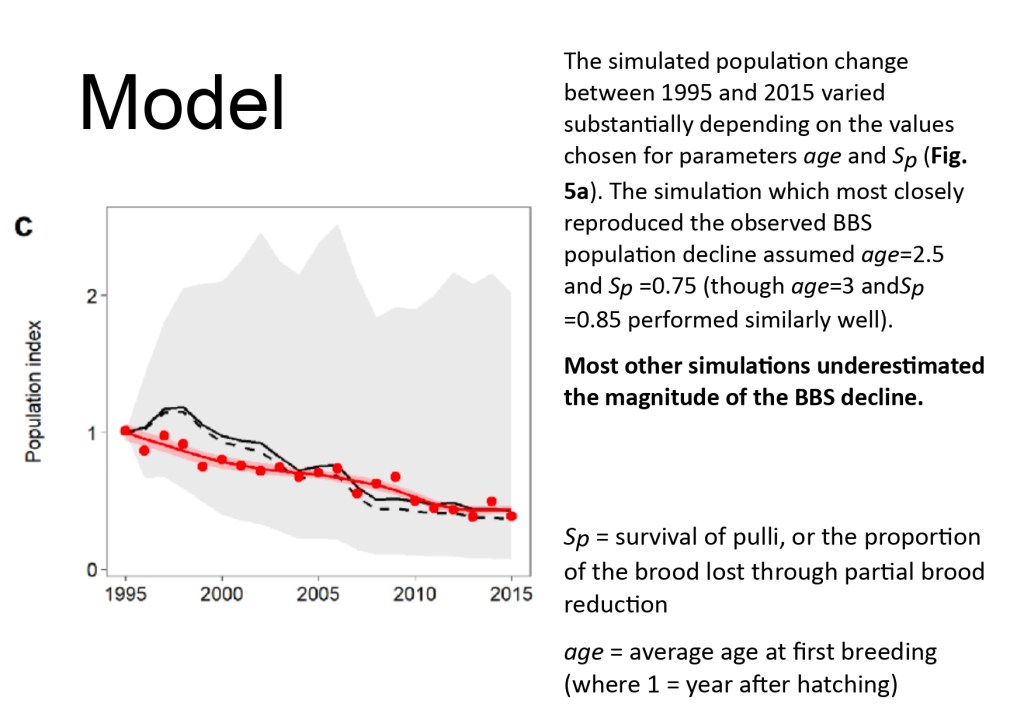
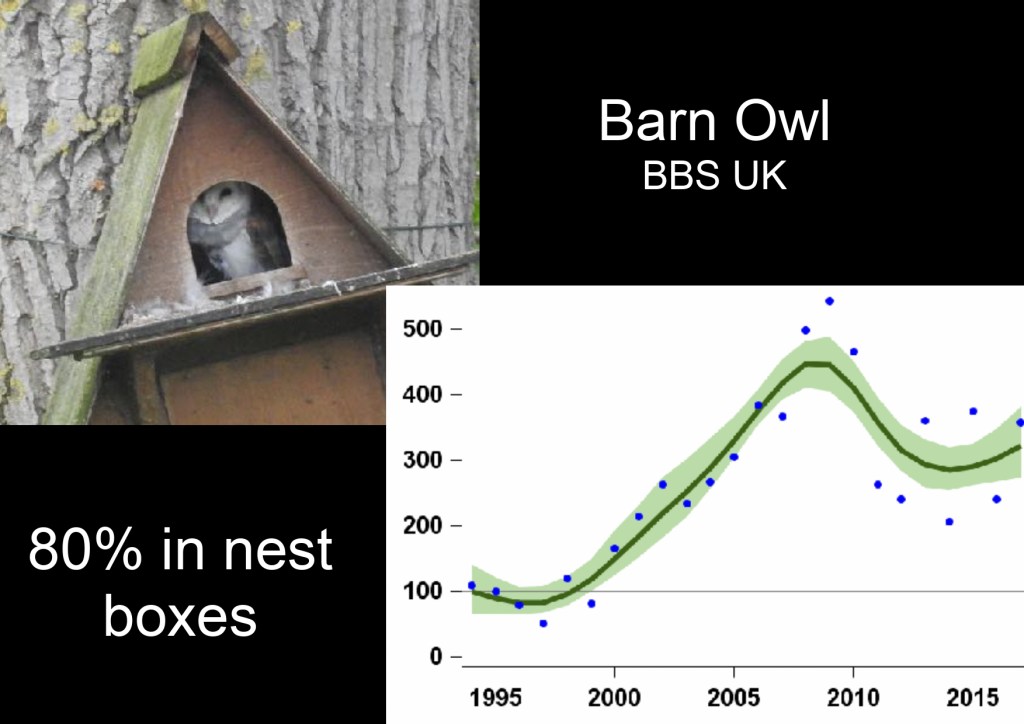
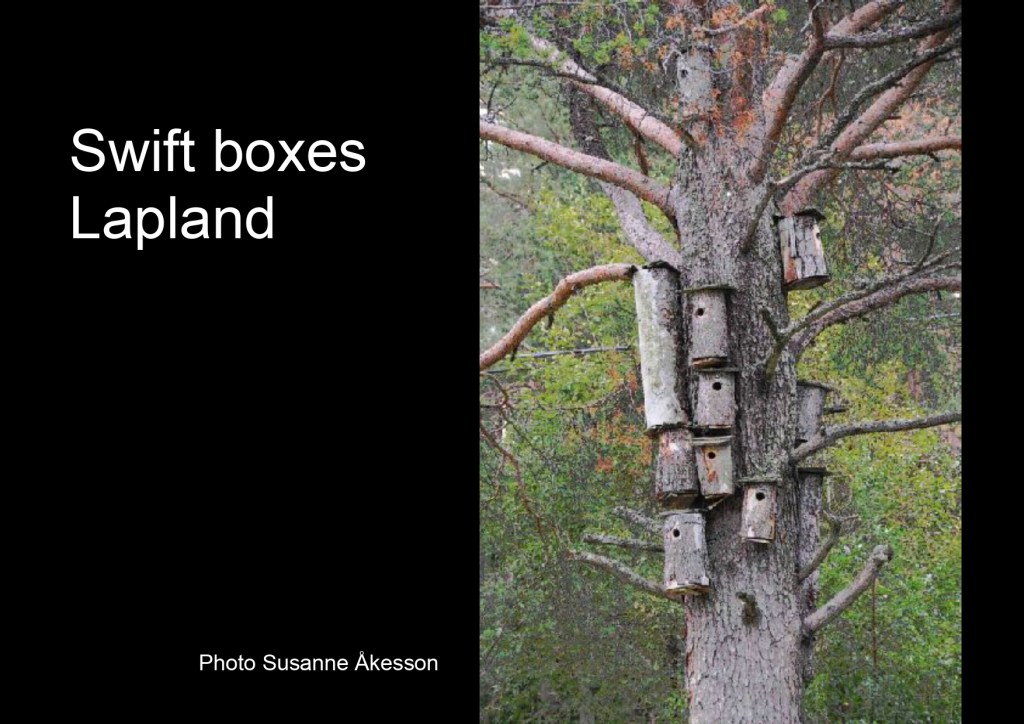
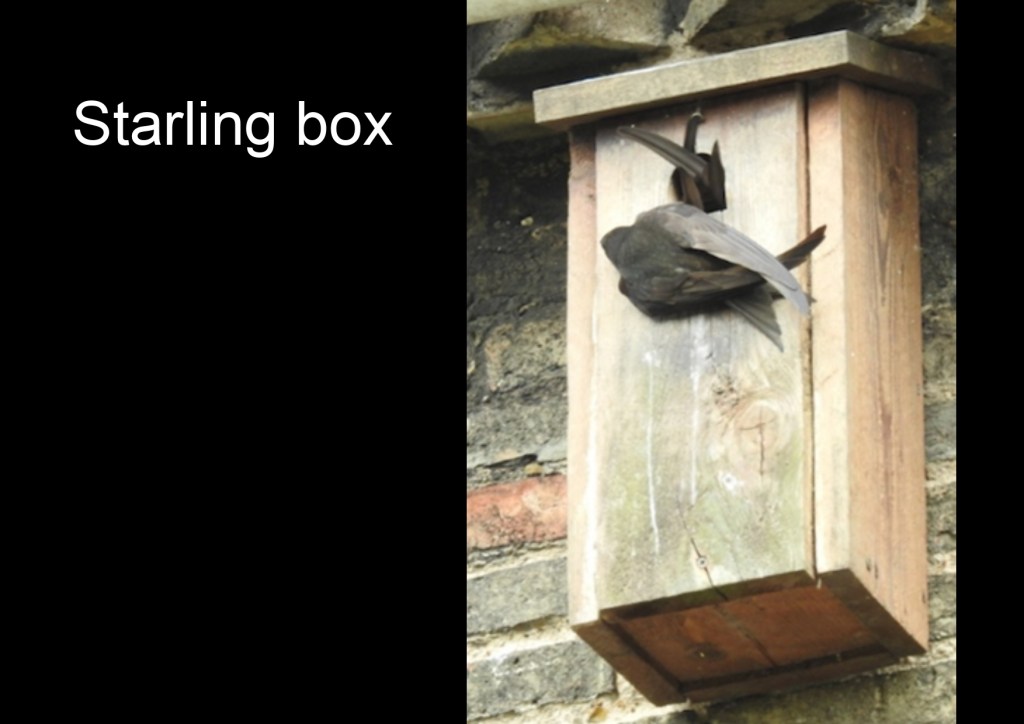
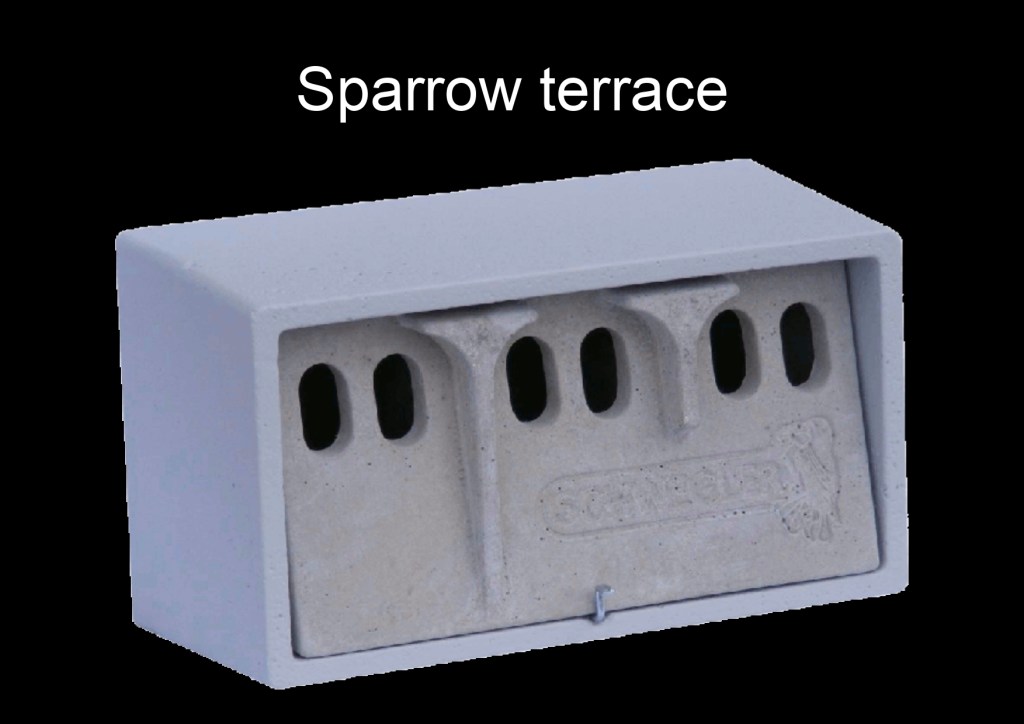
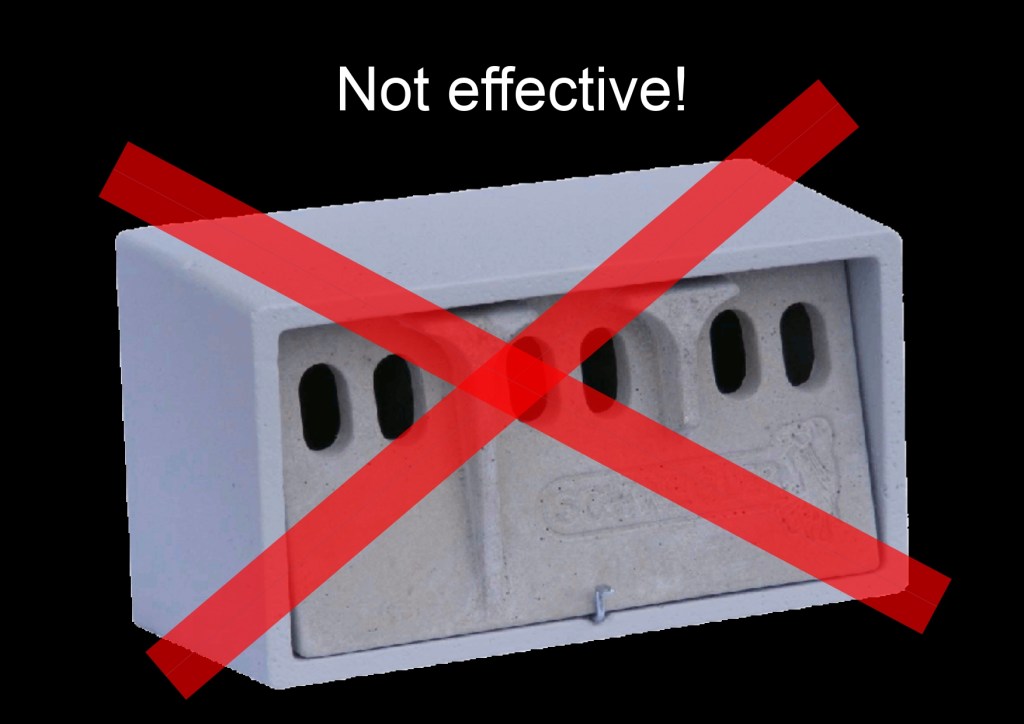
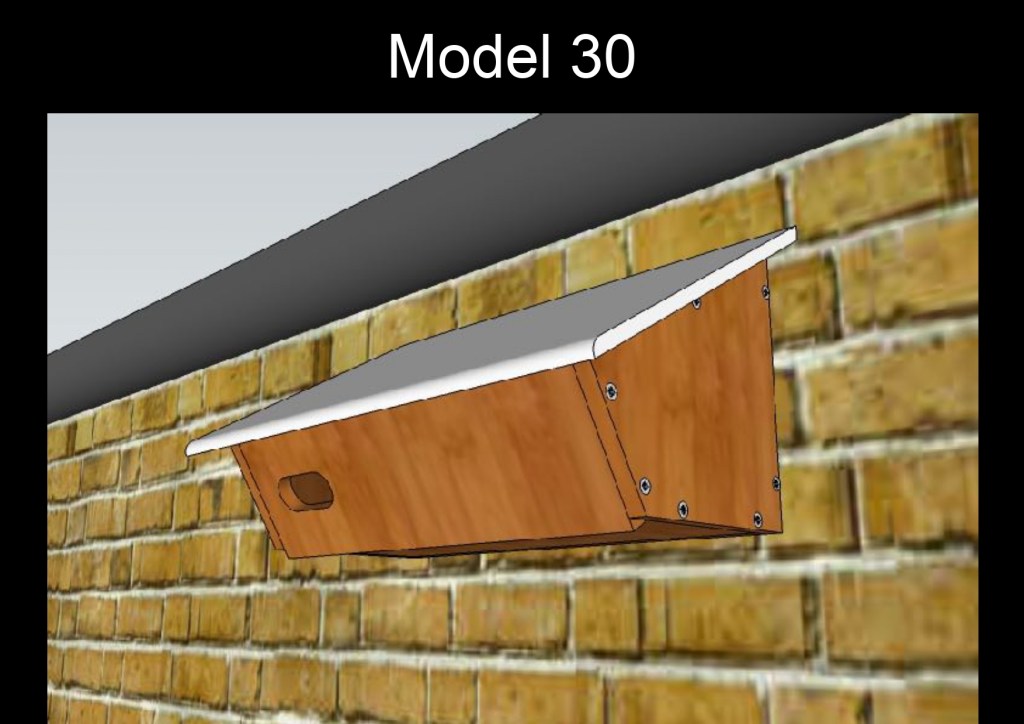
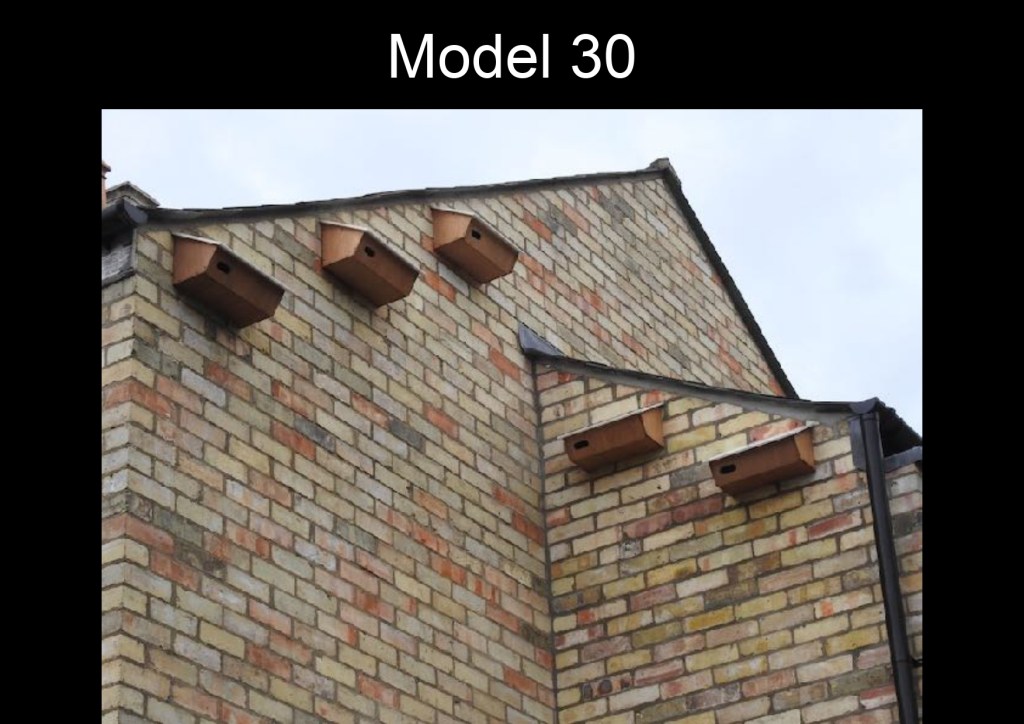
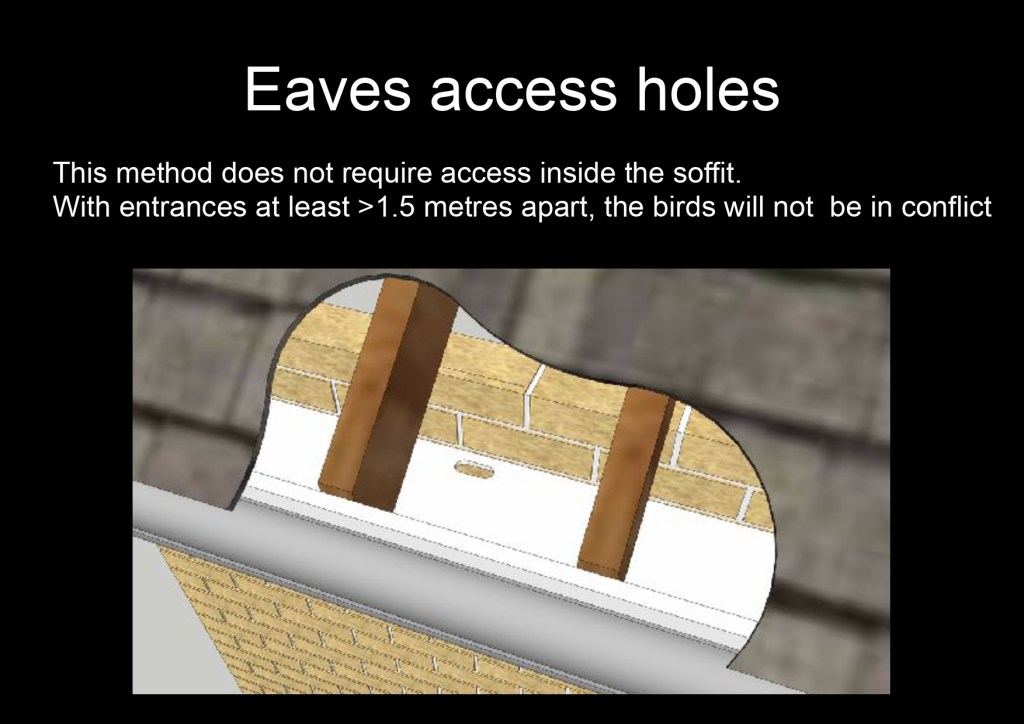
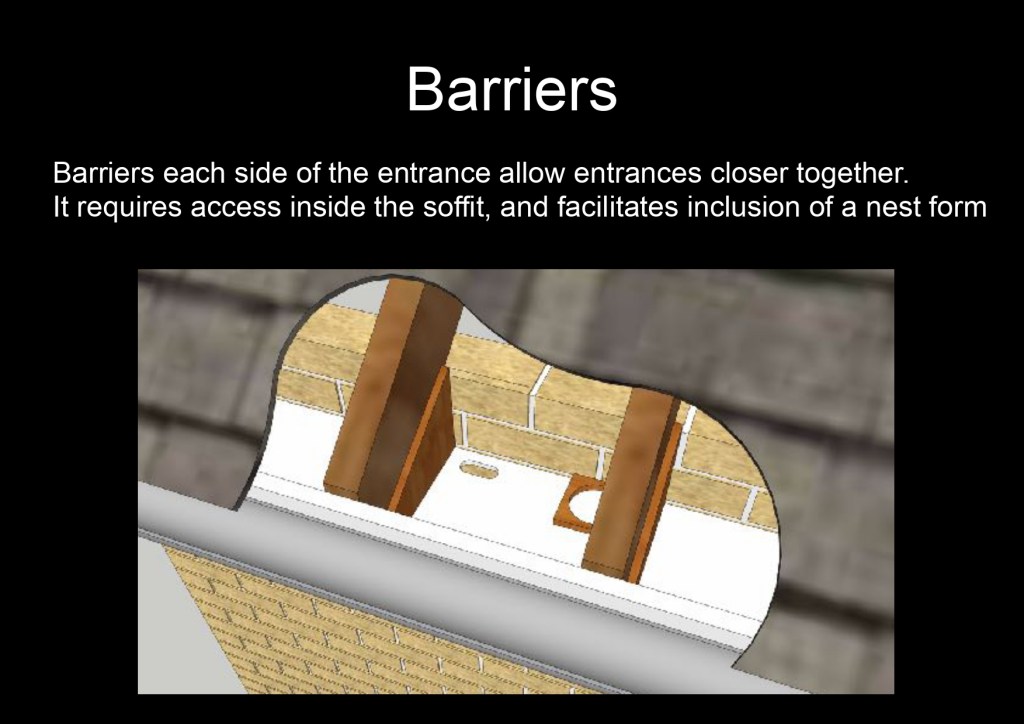
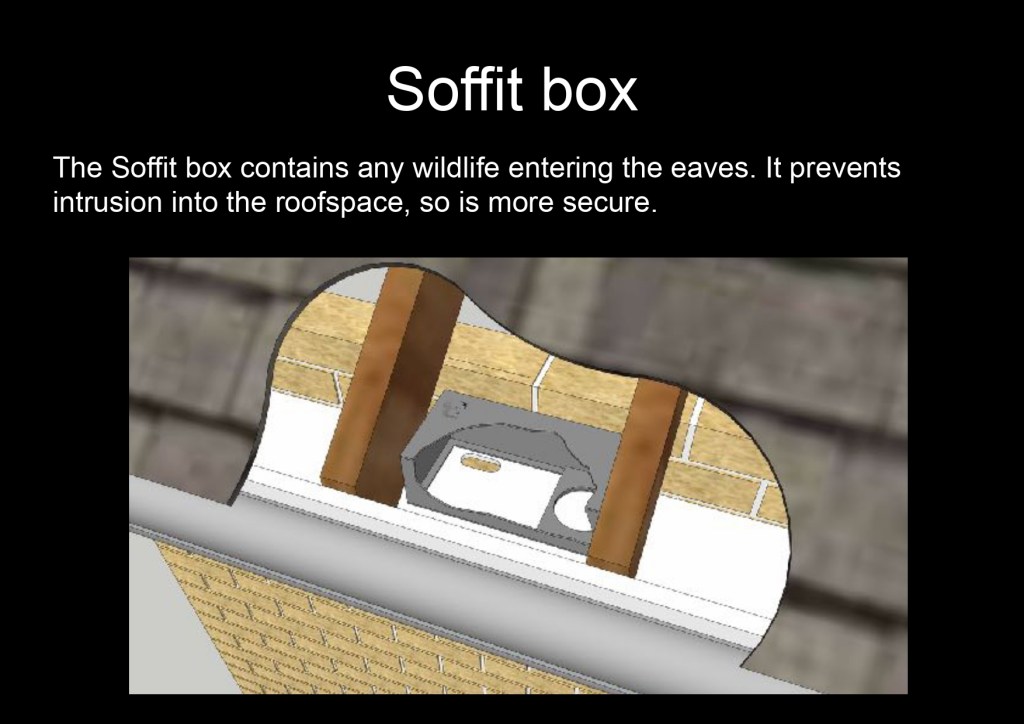
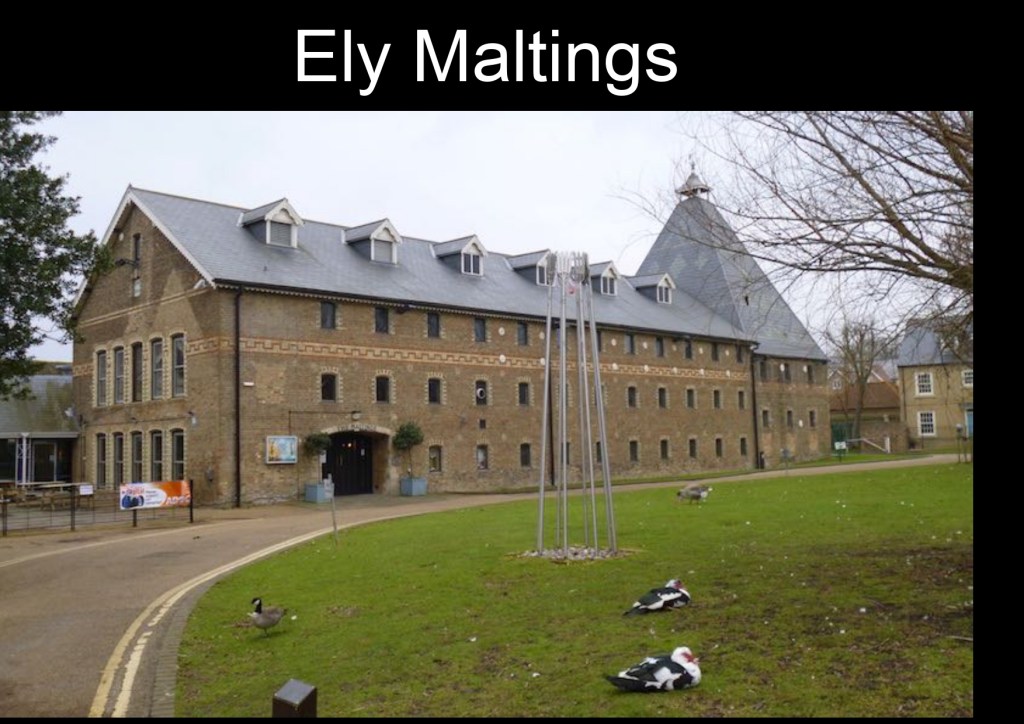
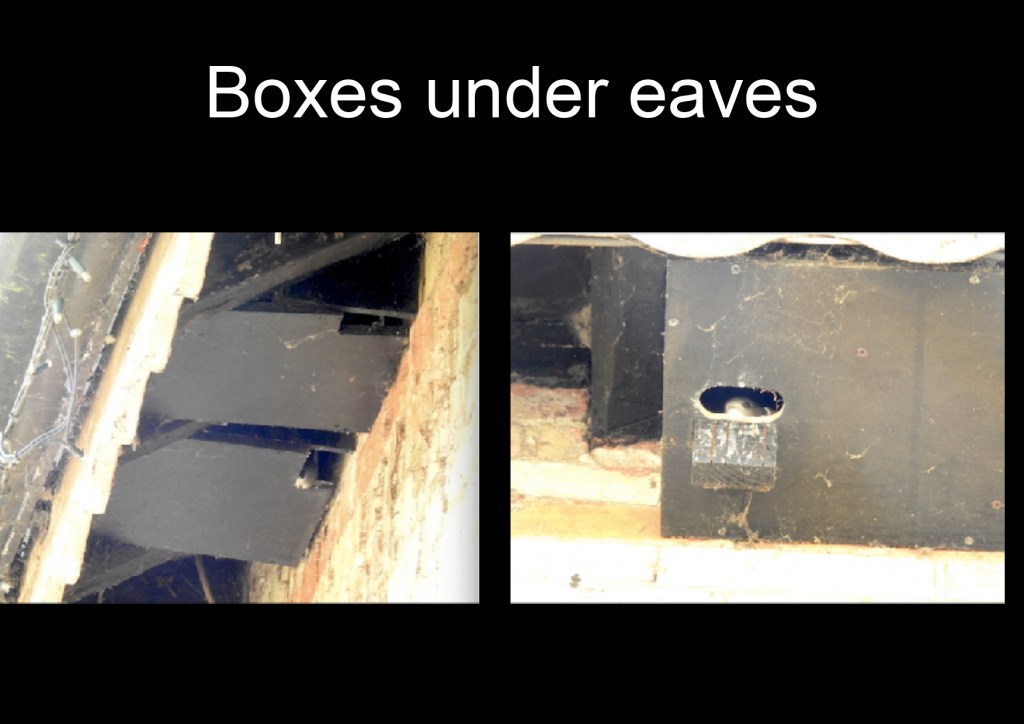
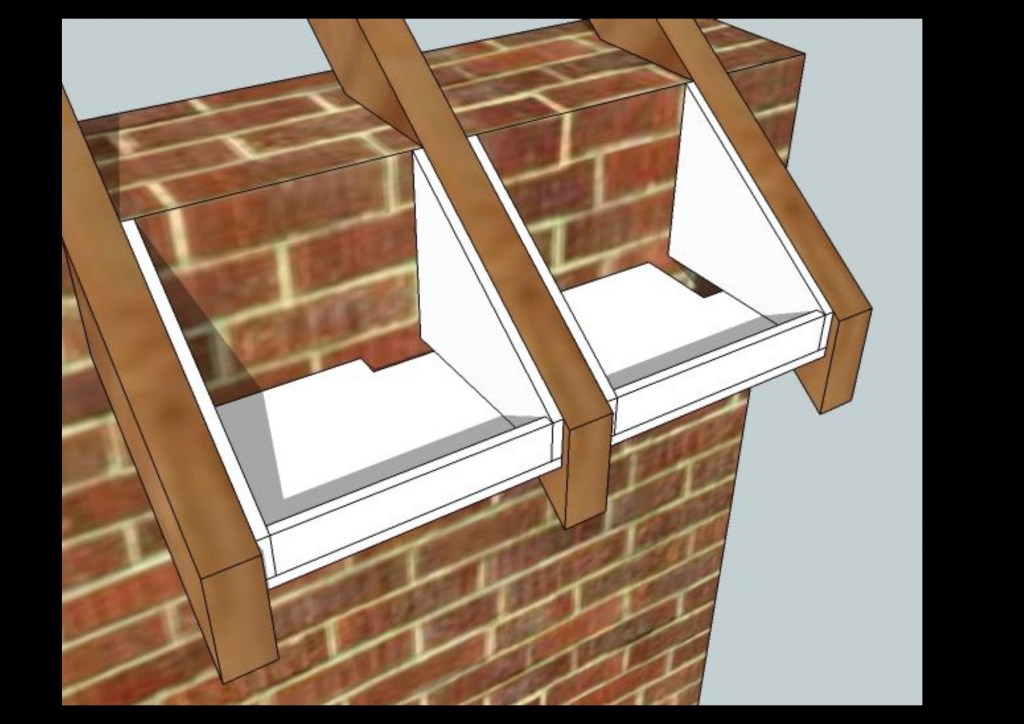
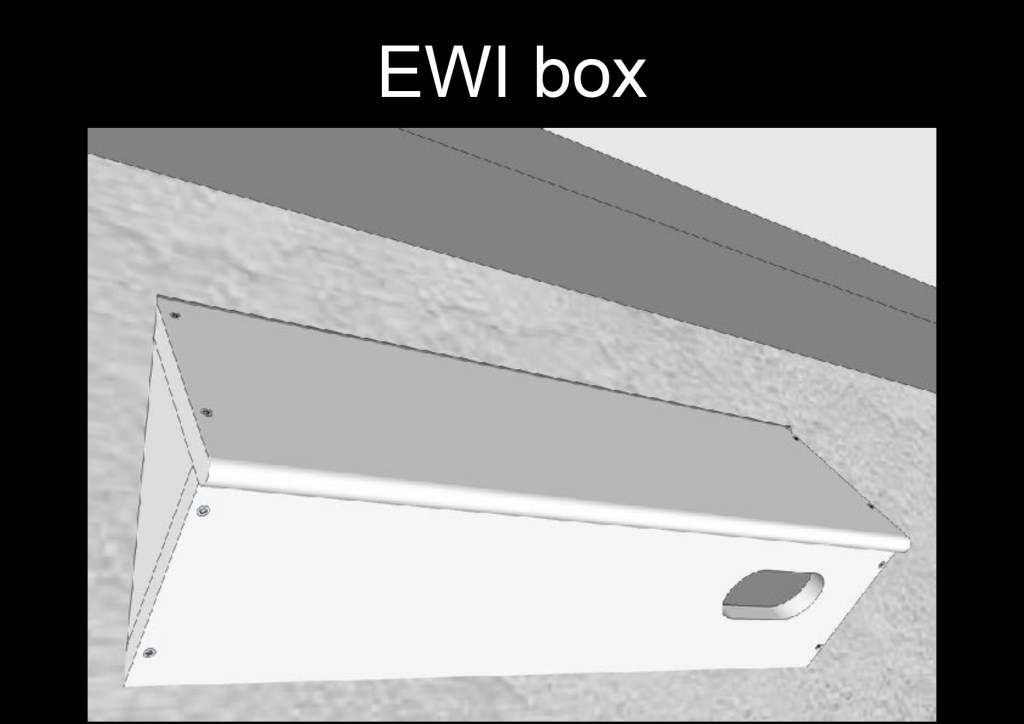
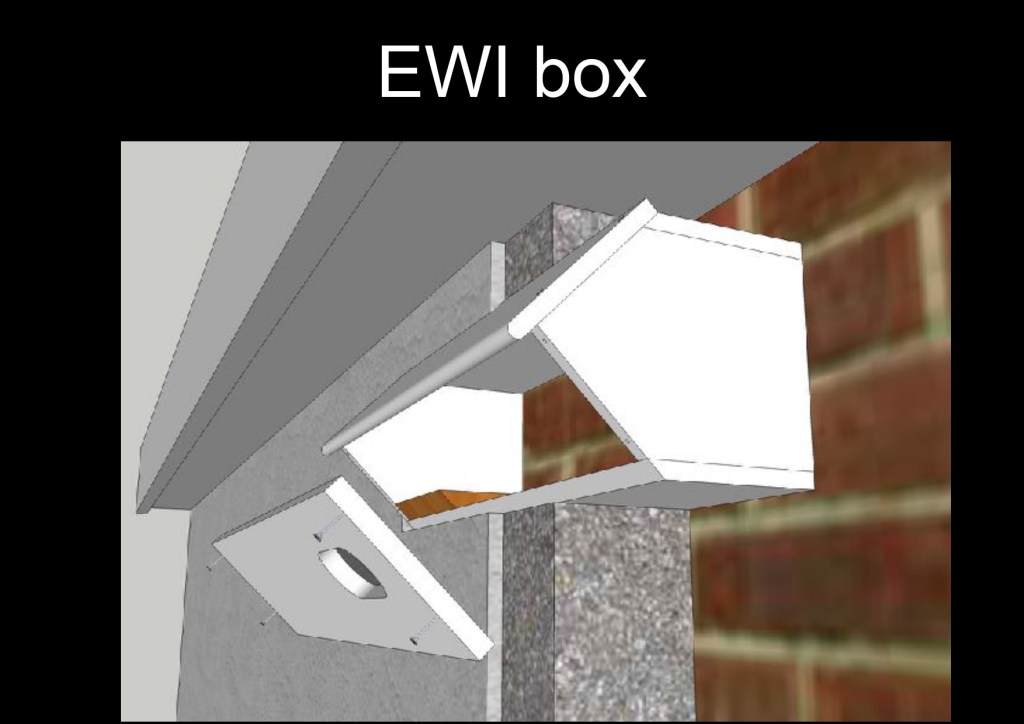
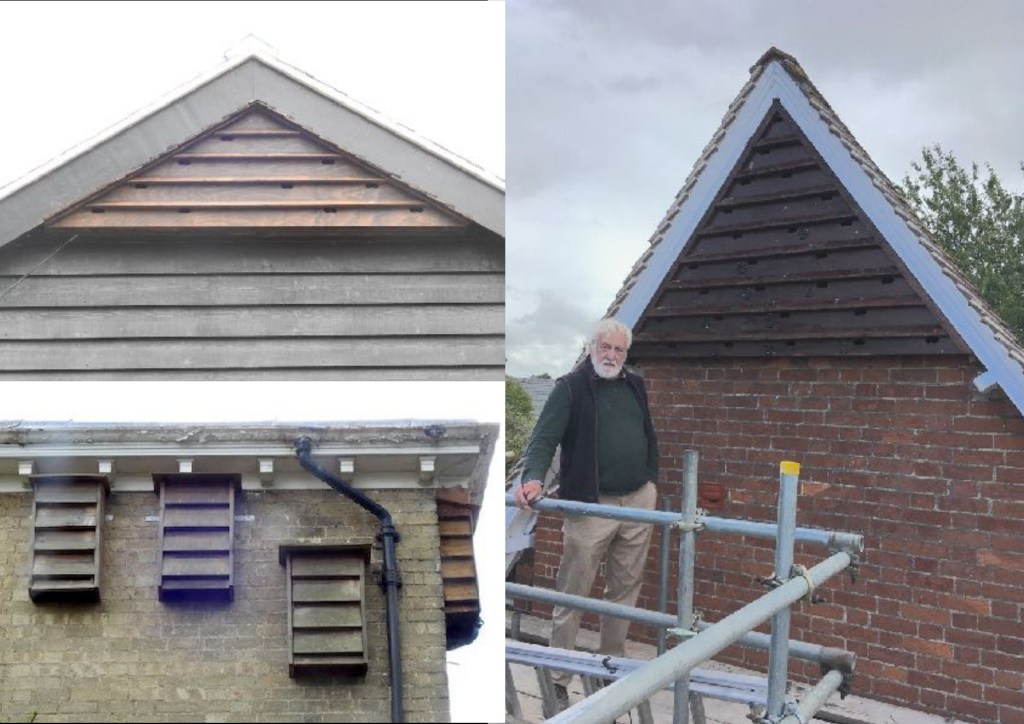
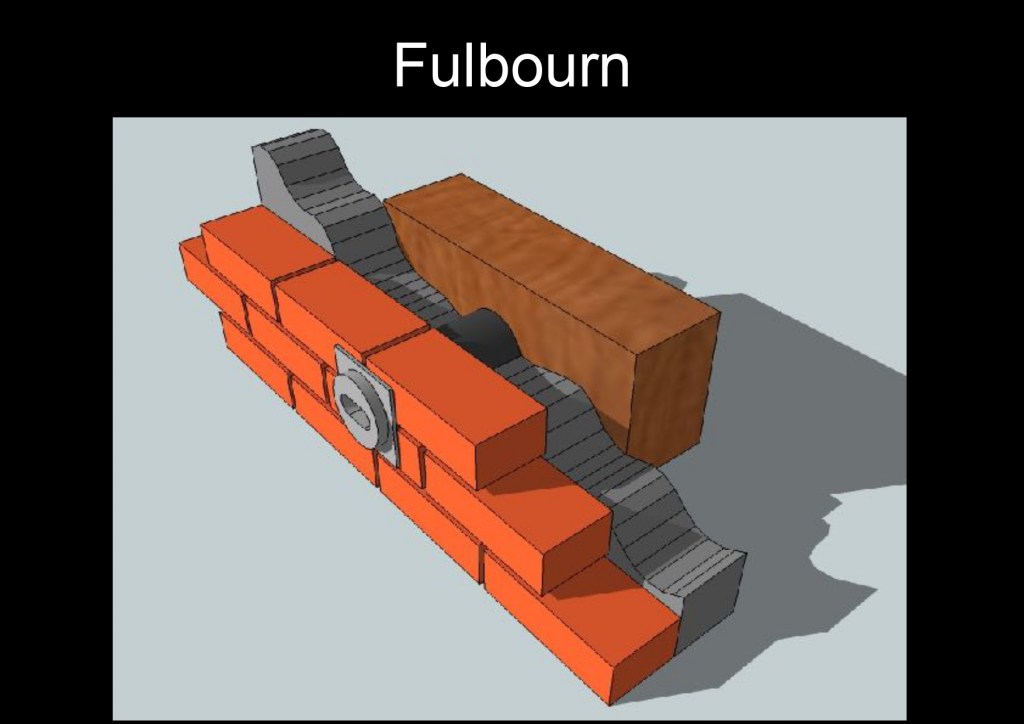
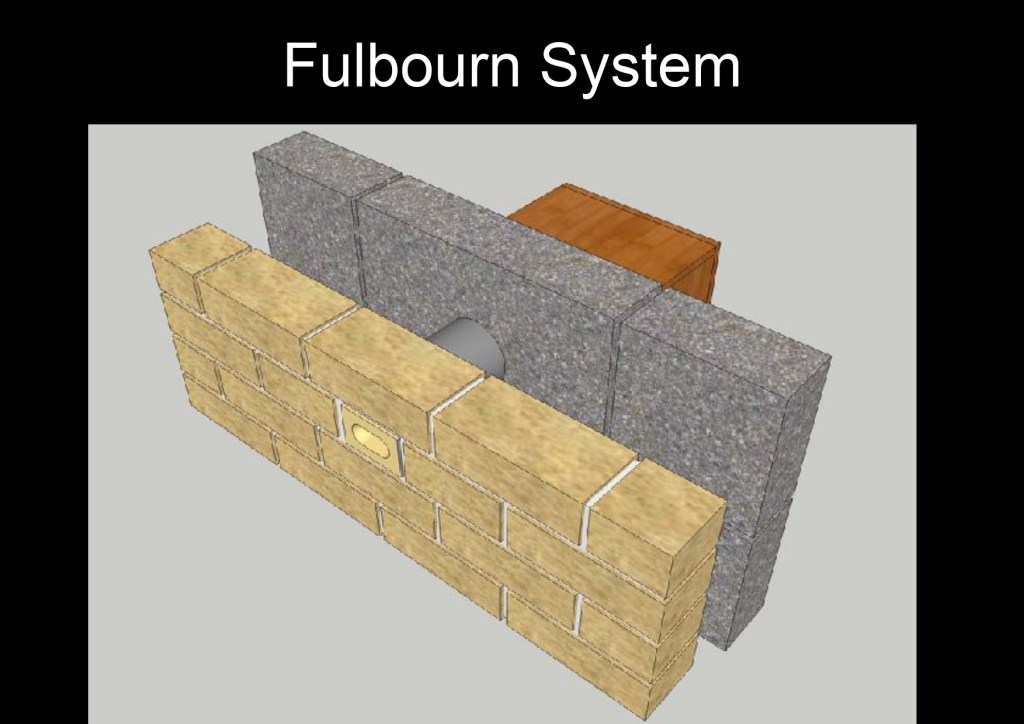
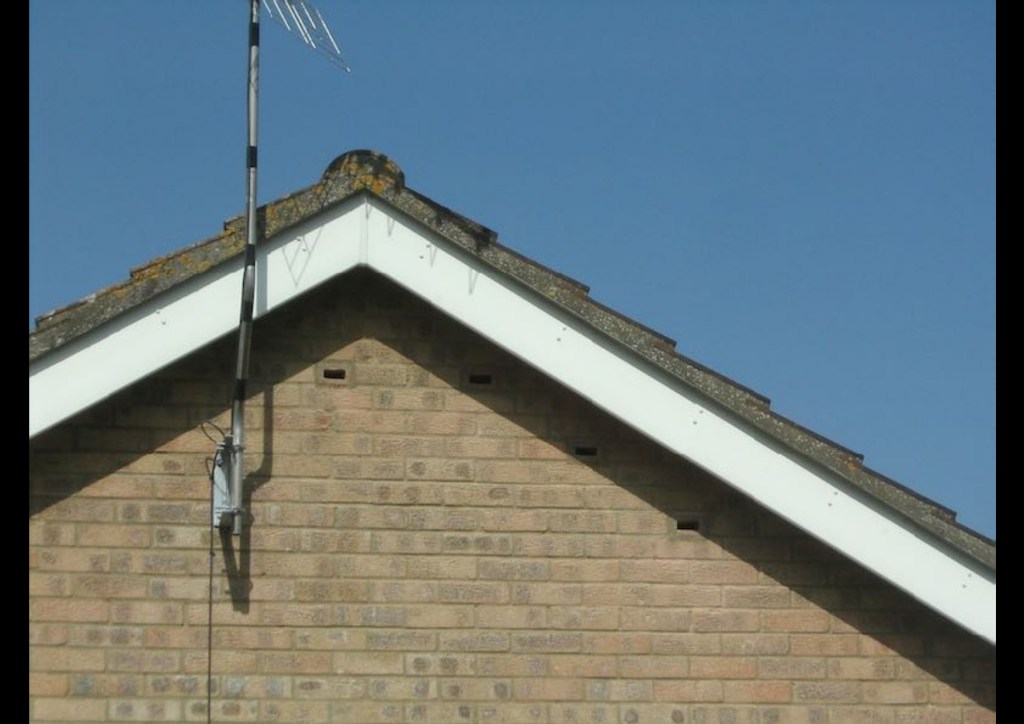
Slides from ‘Swift Update’ talk
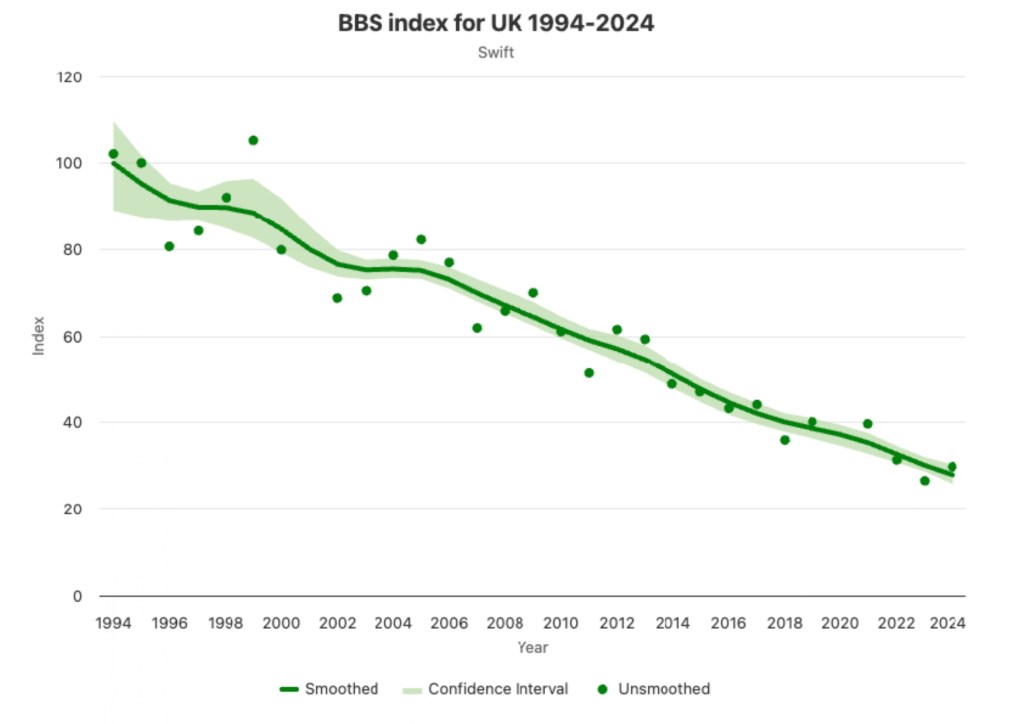
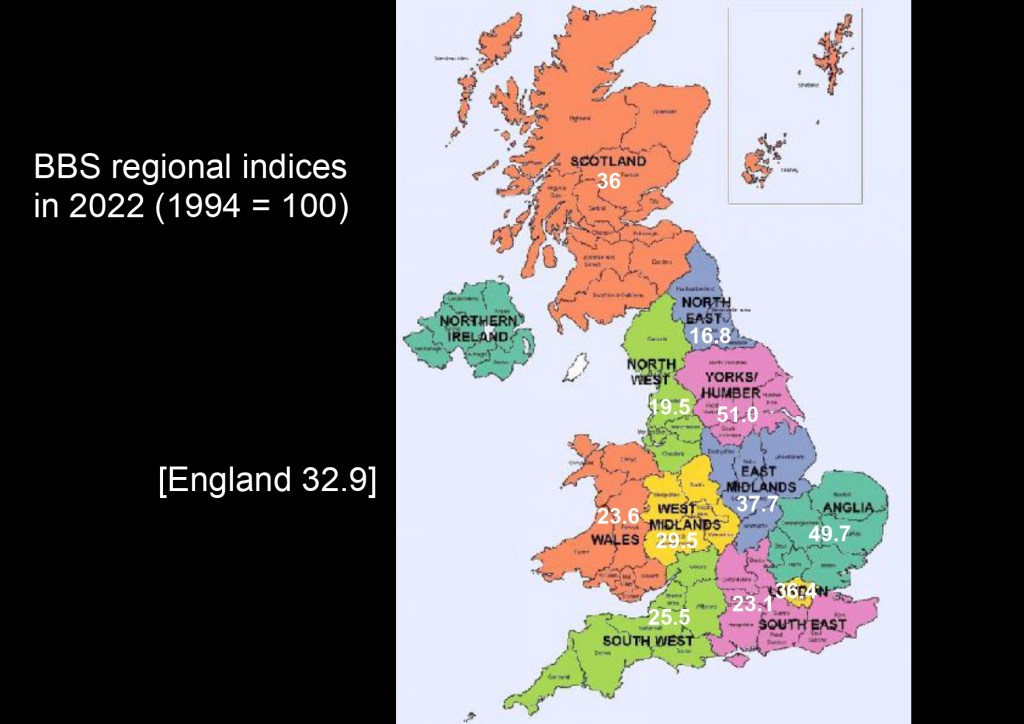
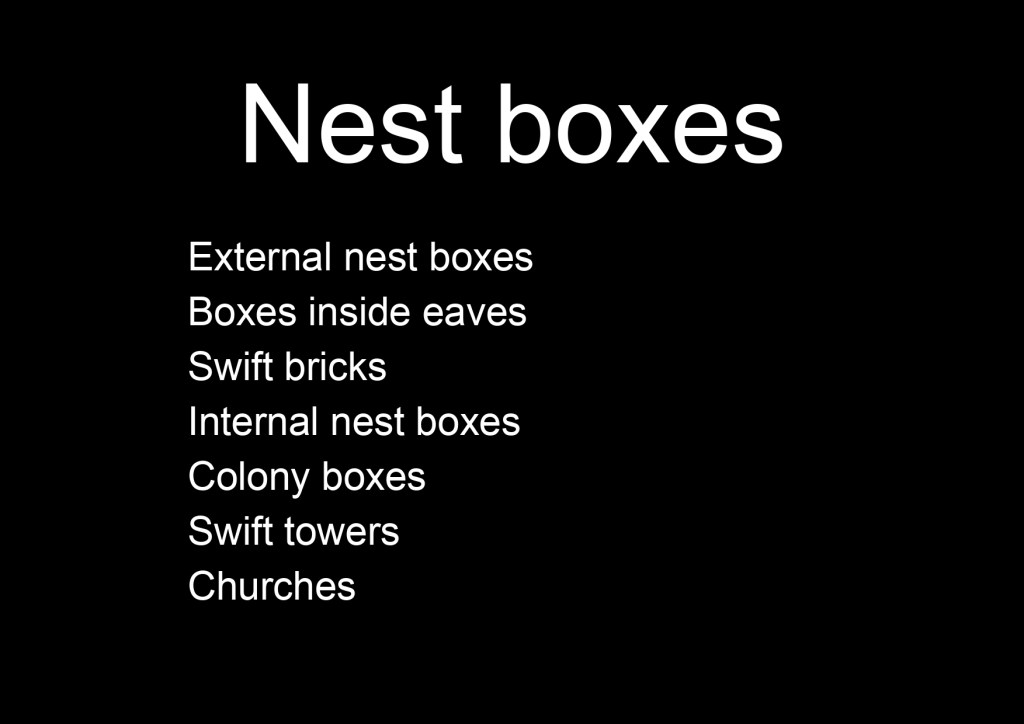
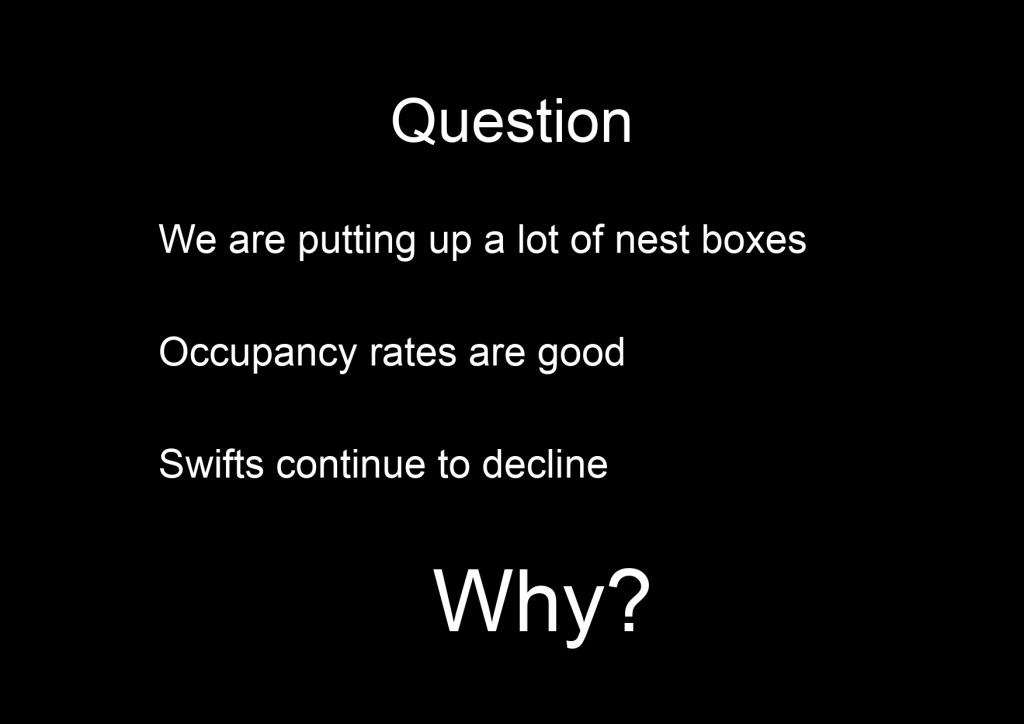
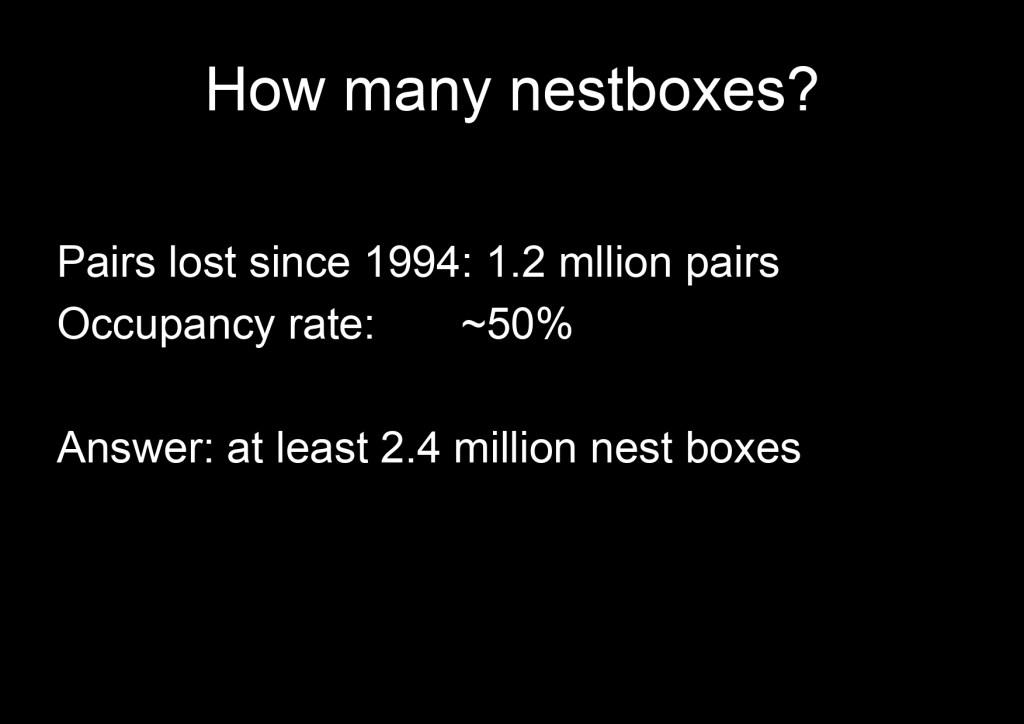
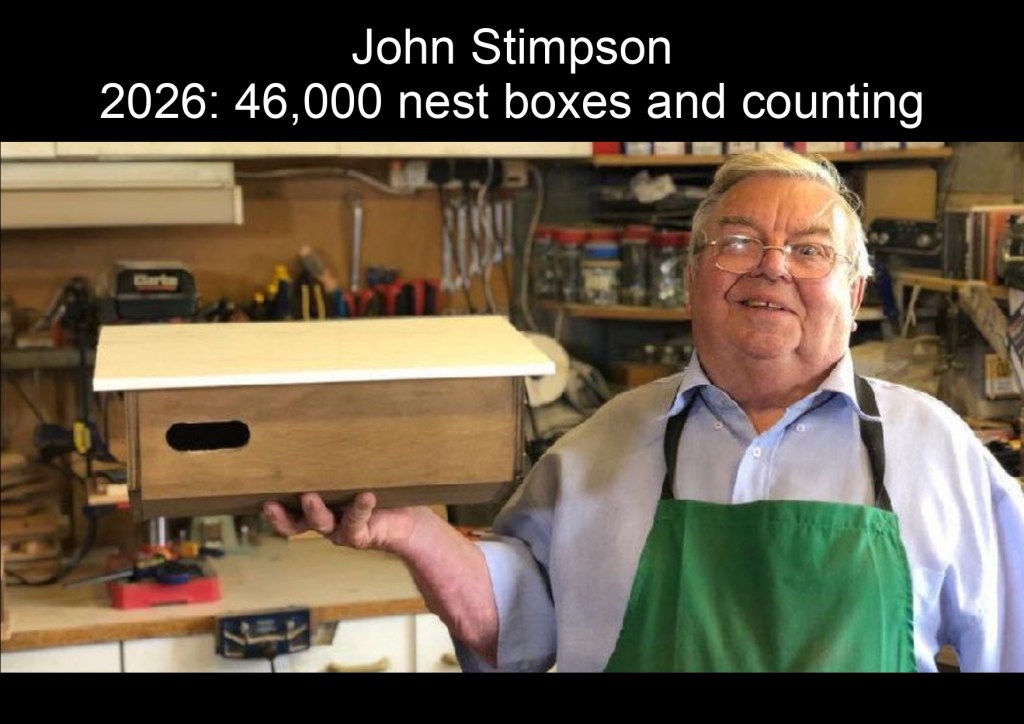
Below please find the power-point presentation given at the recent meeting about swifts at the Social Club. Thank you again to Dick Newell for an informative and entertaining evening.
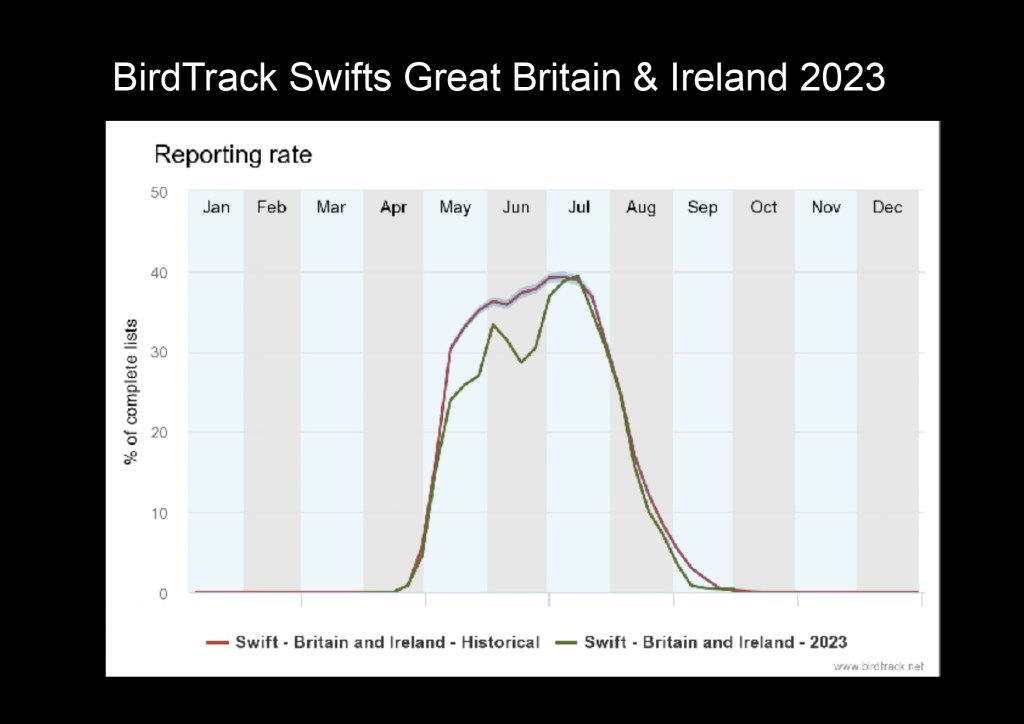
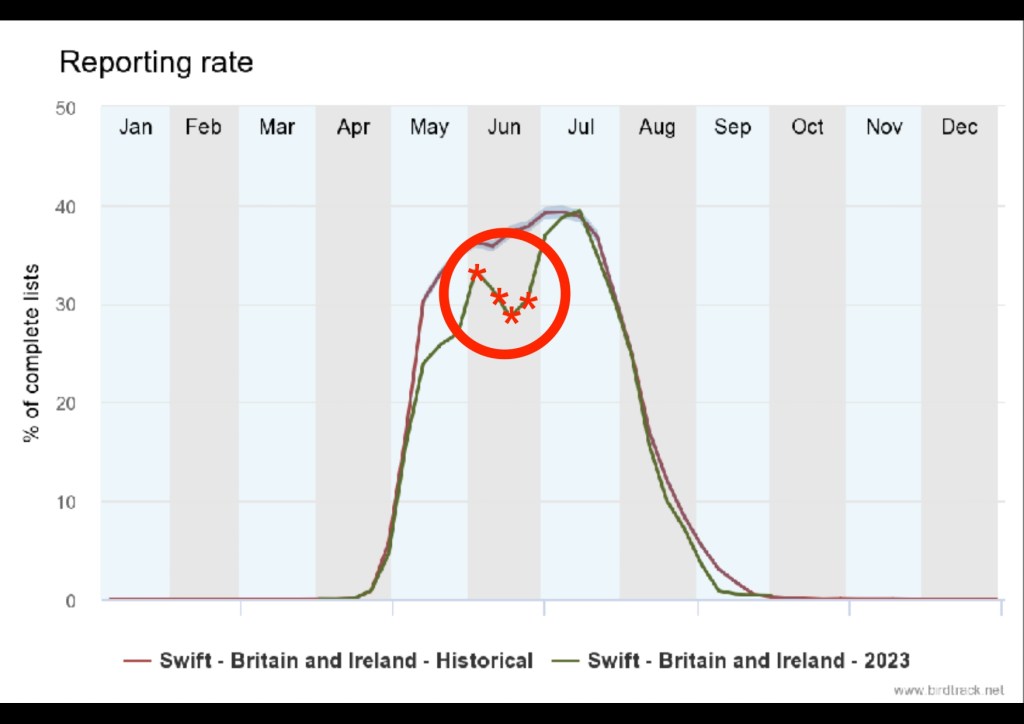
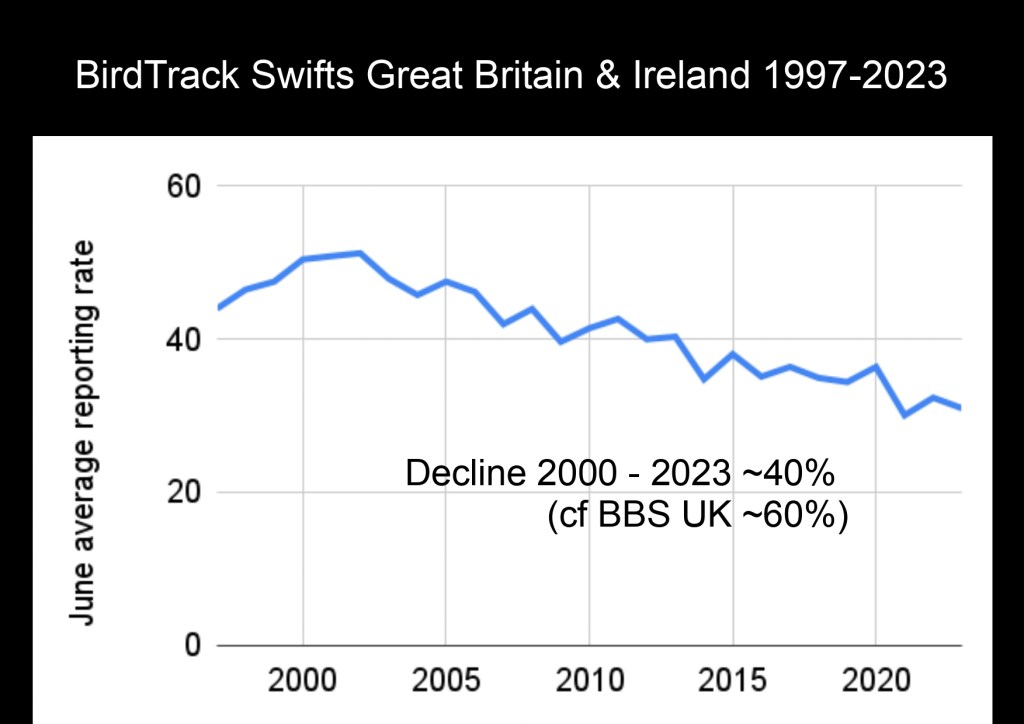
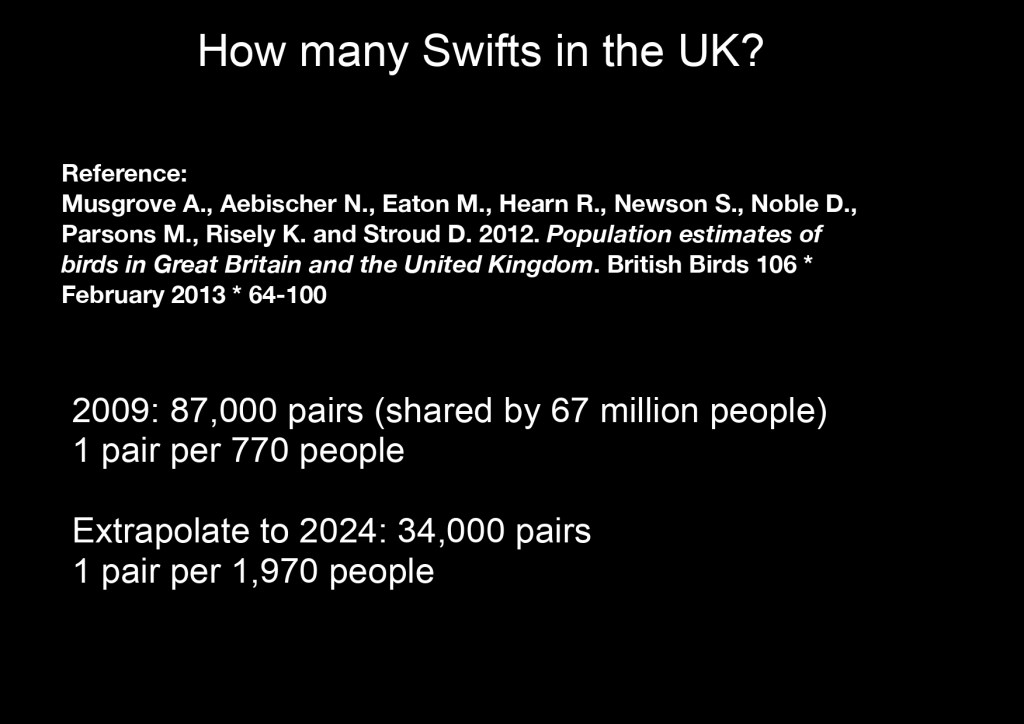
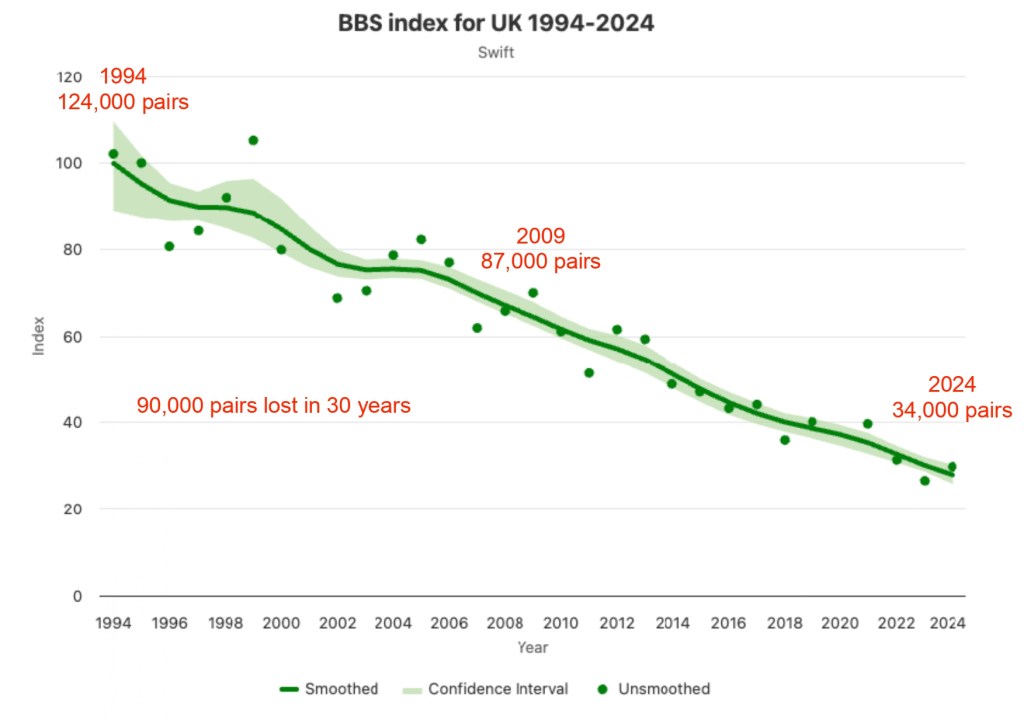
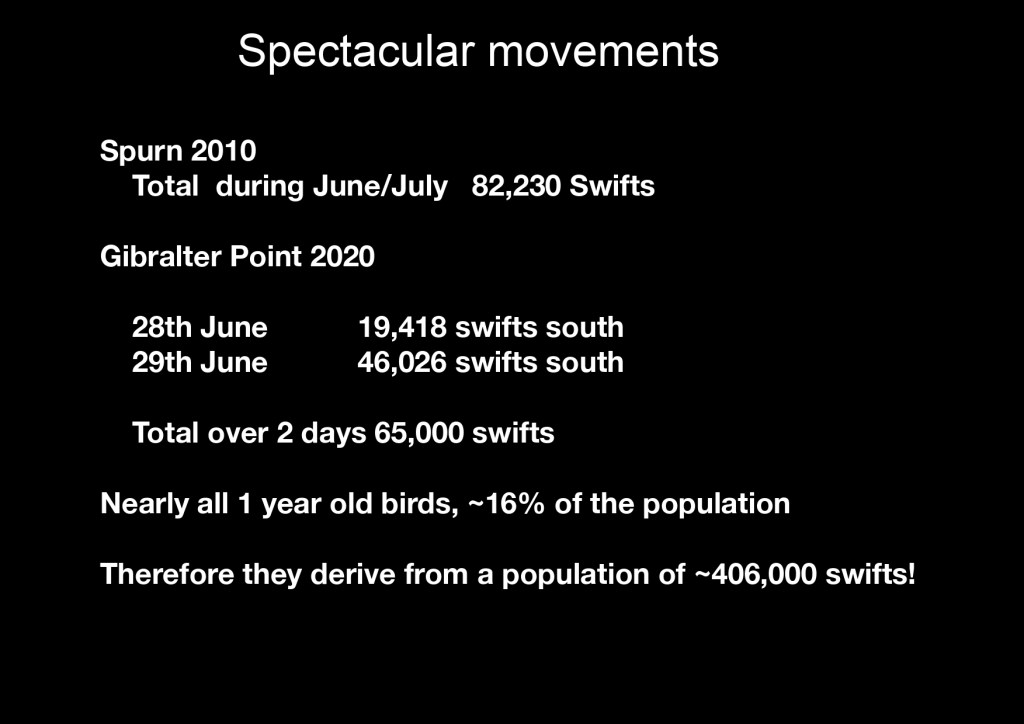
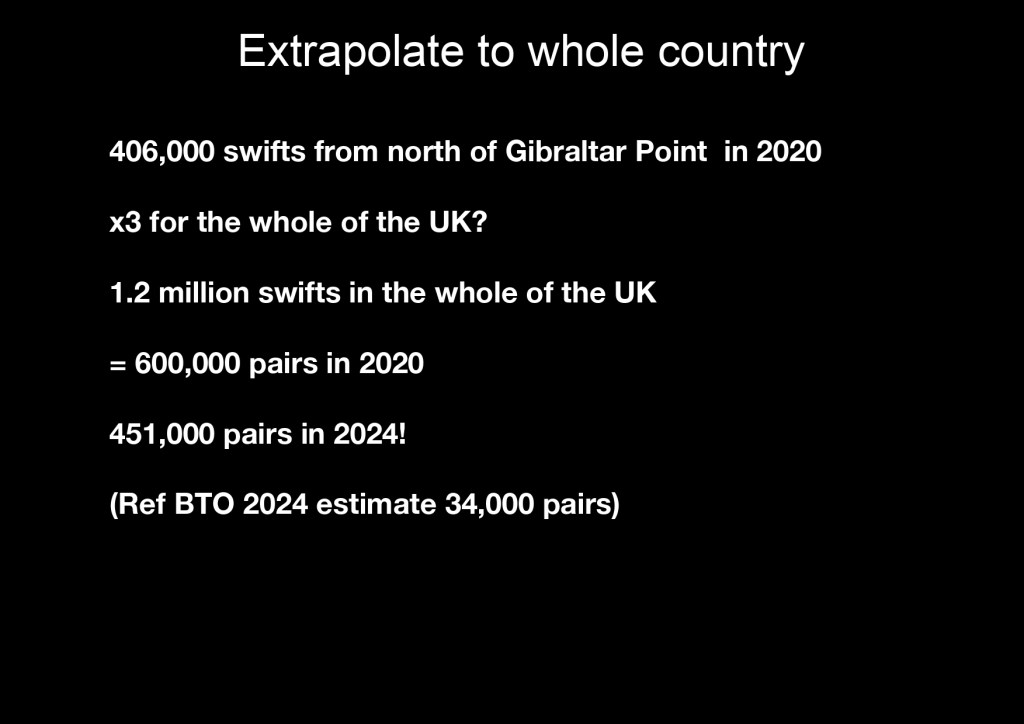
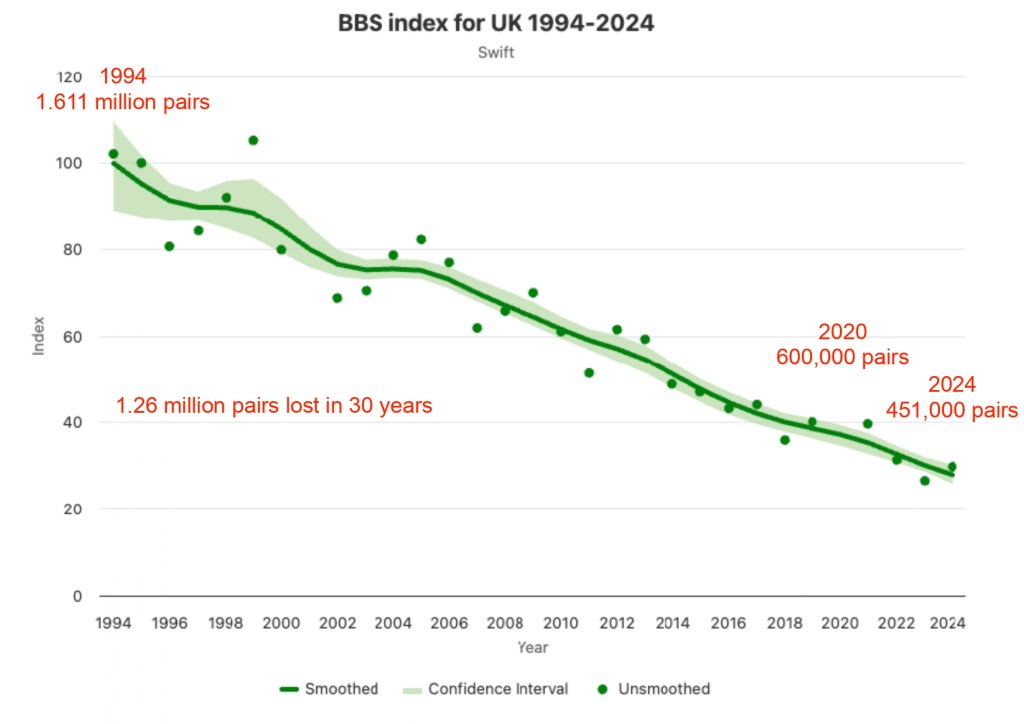

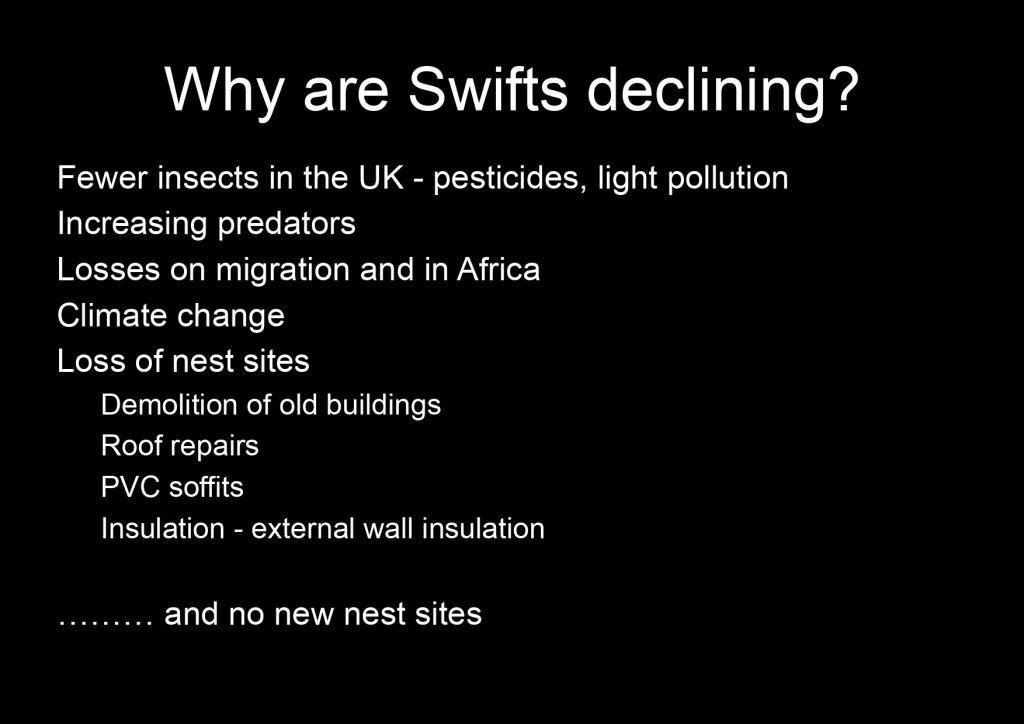
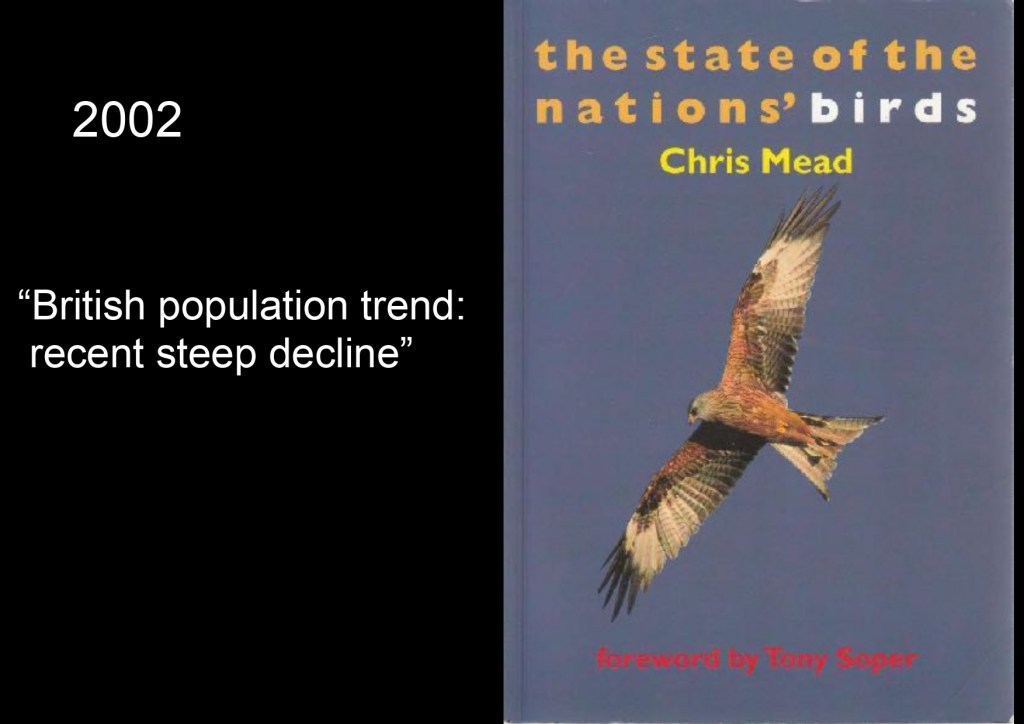
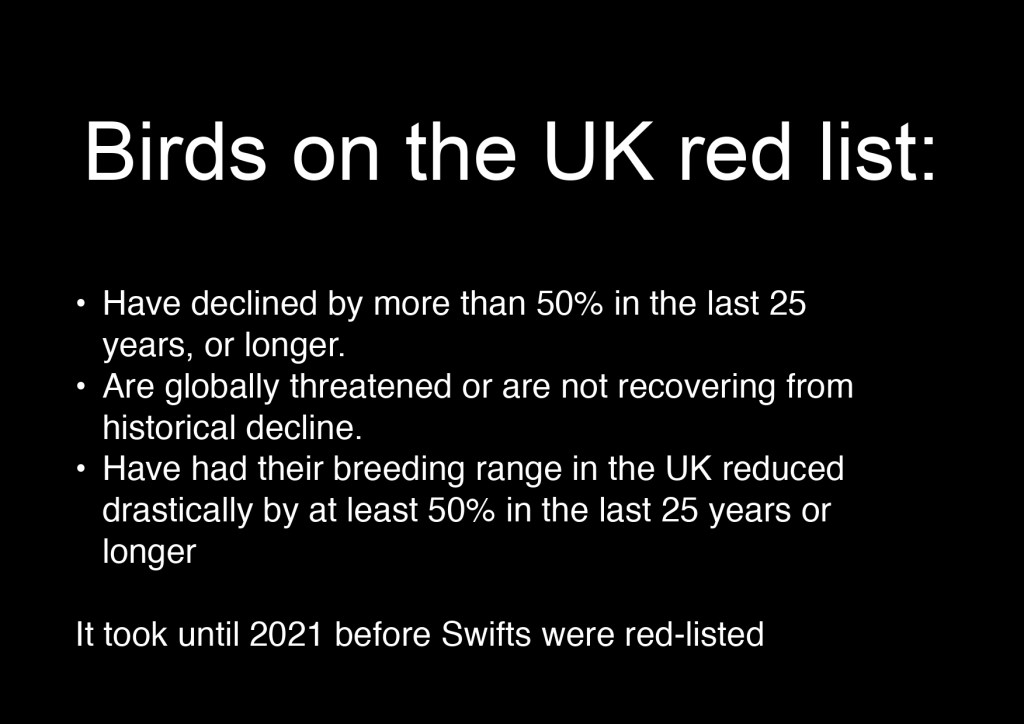
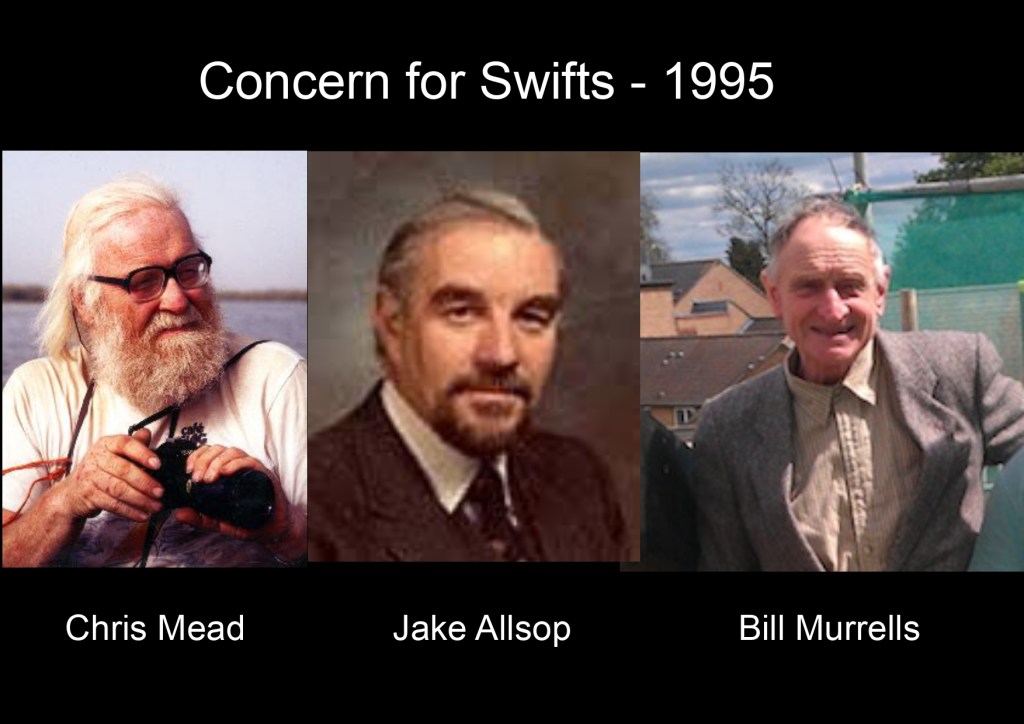
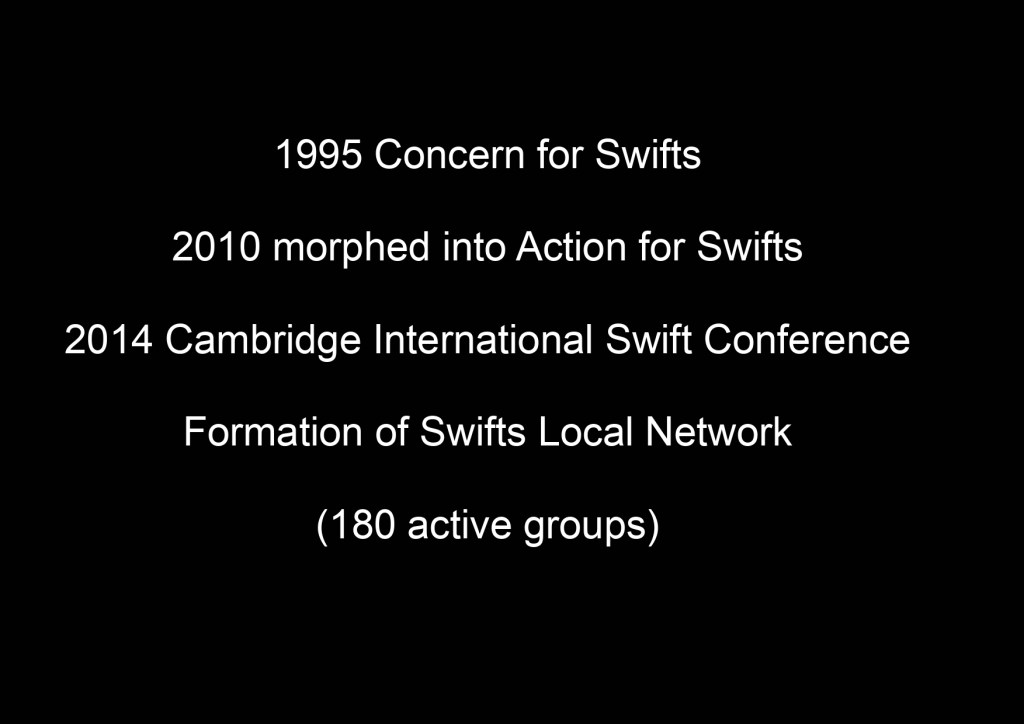
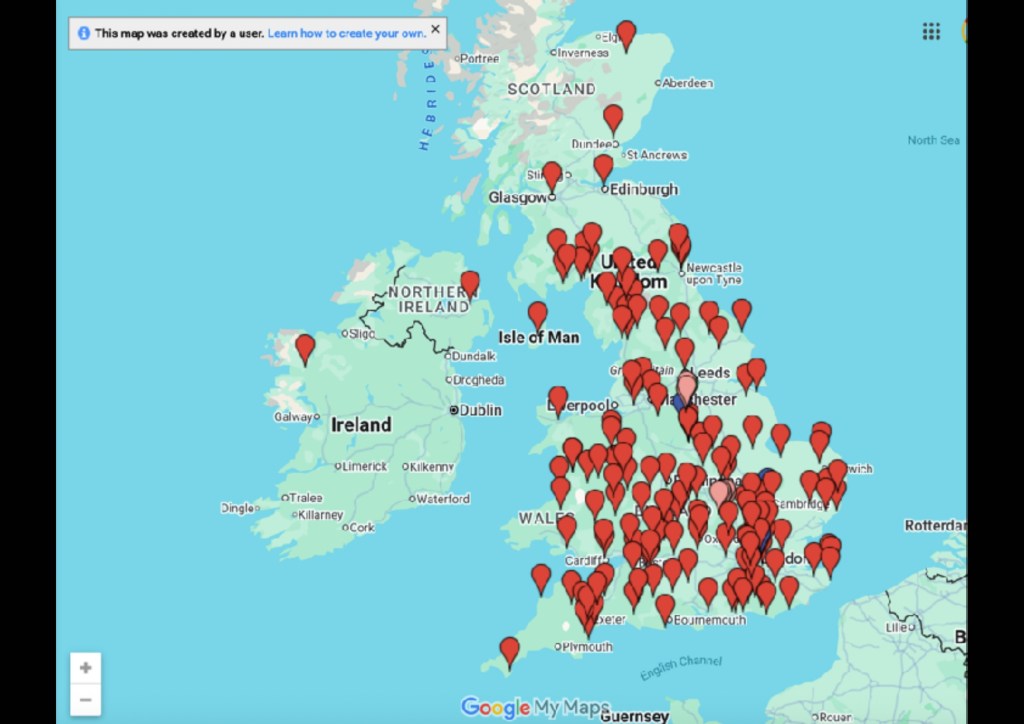
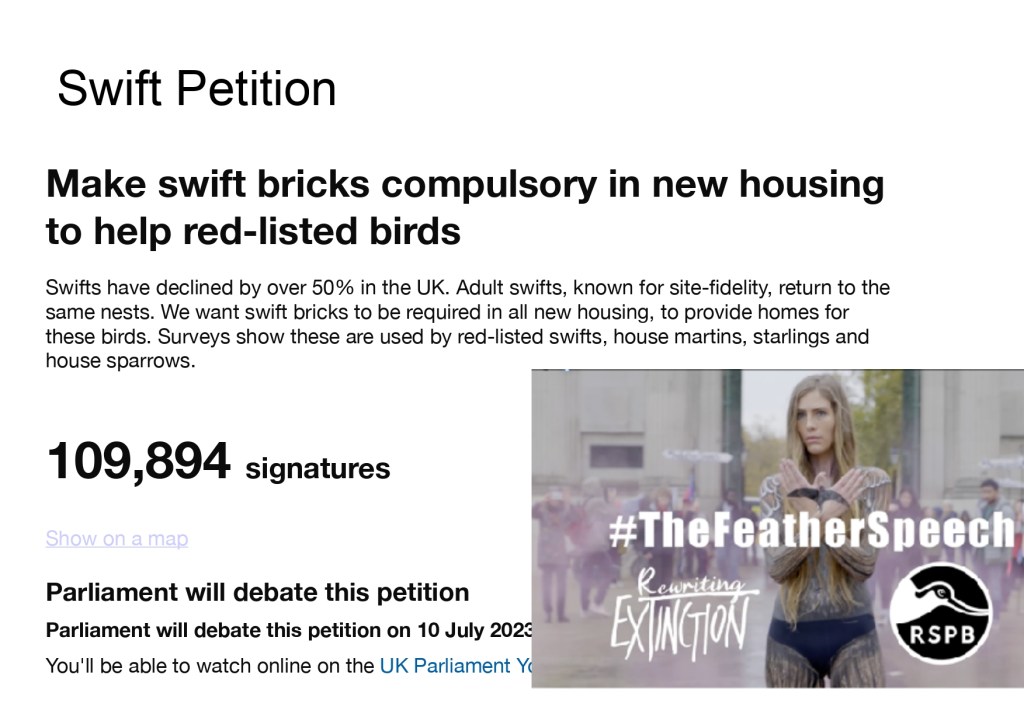
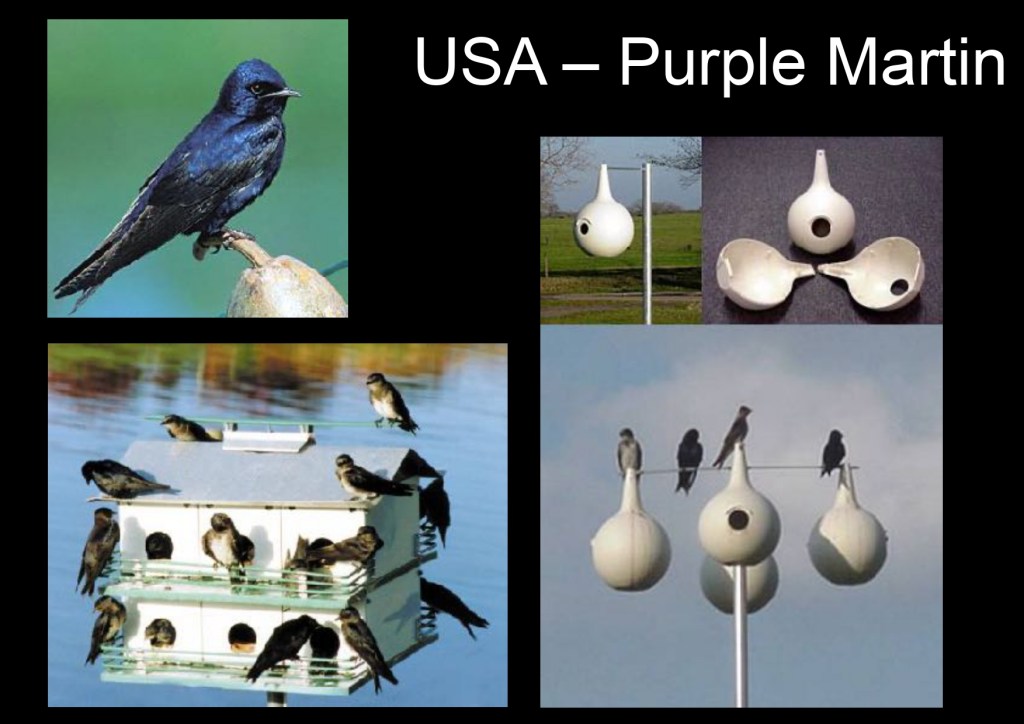
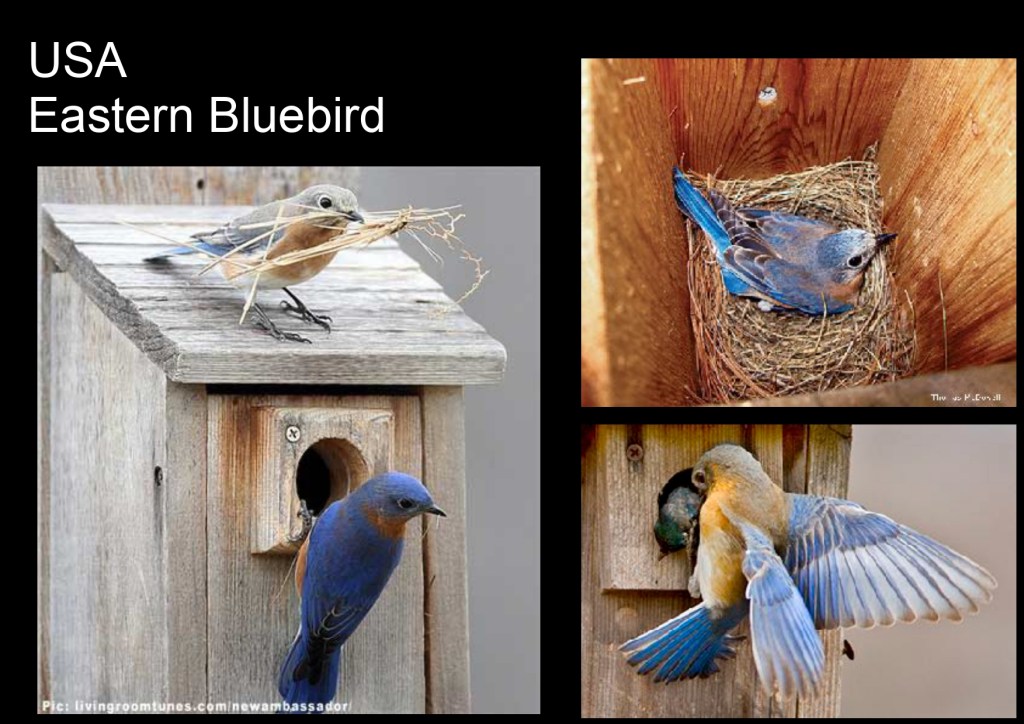
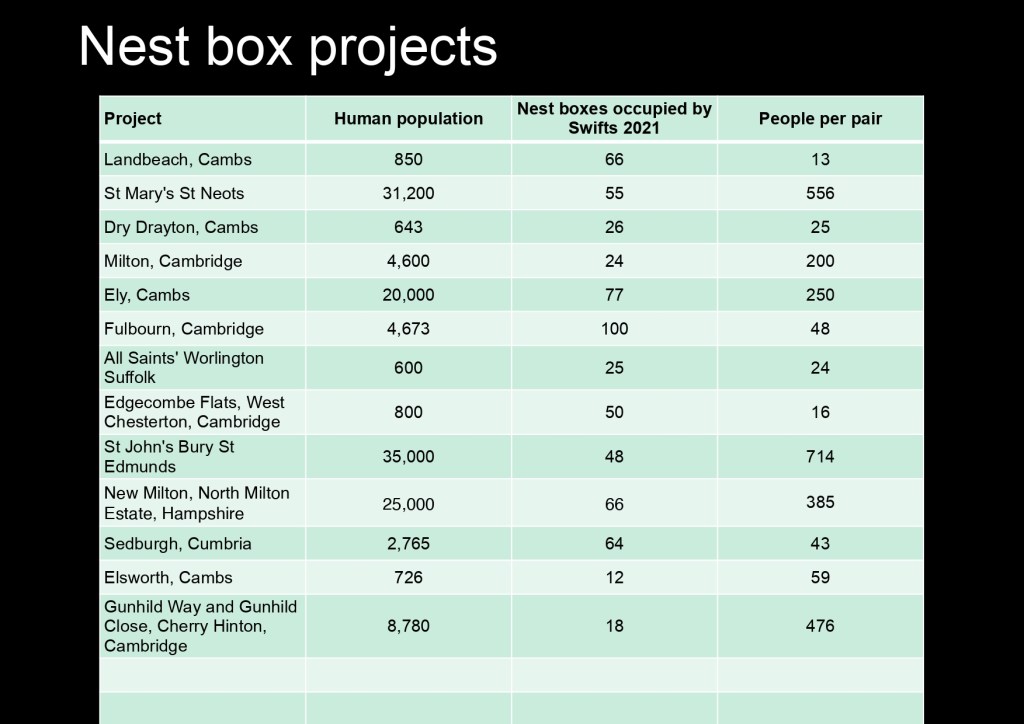
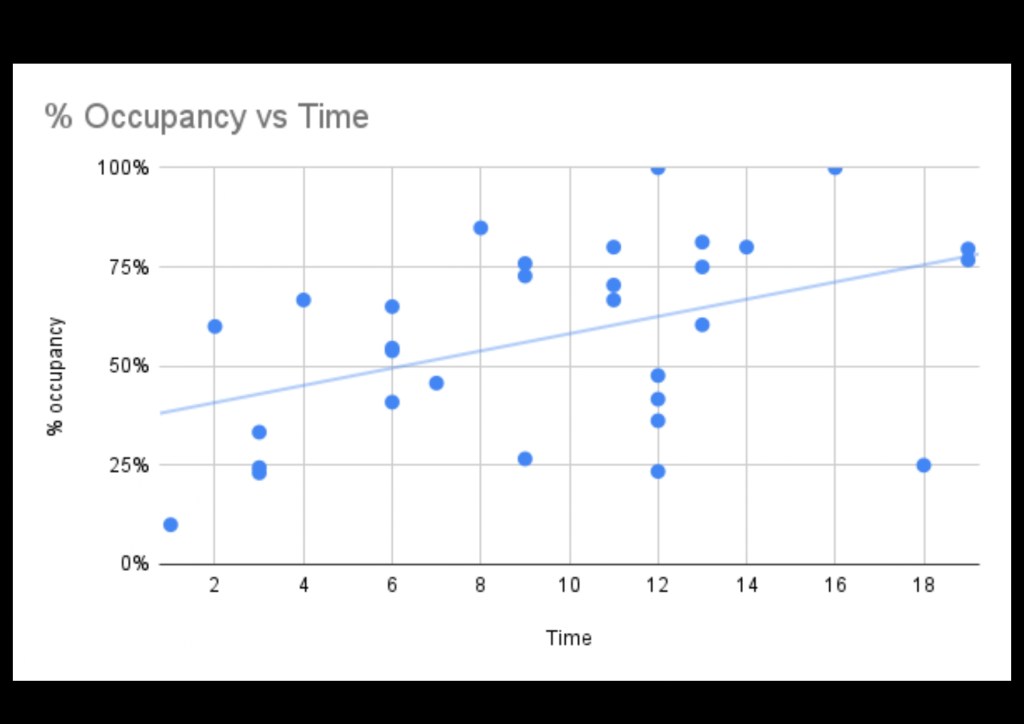
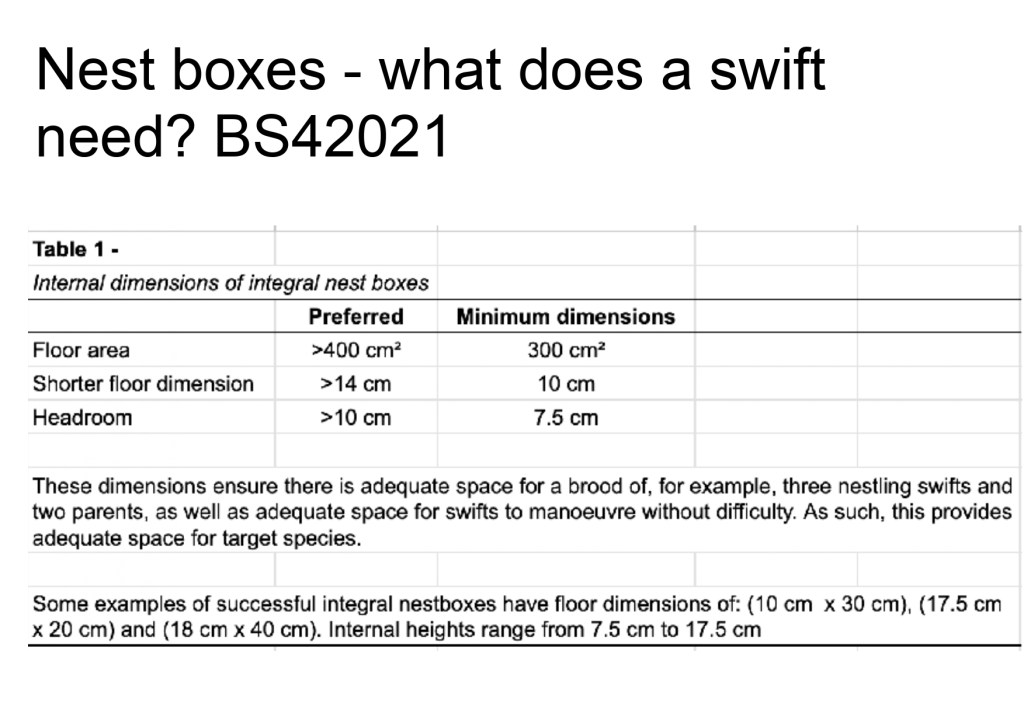
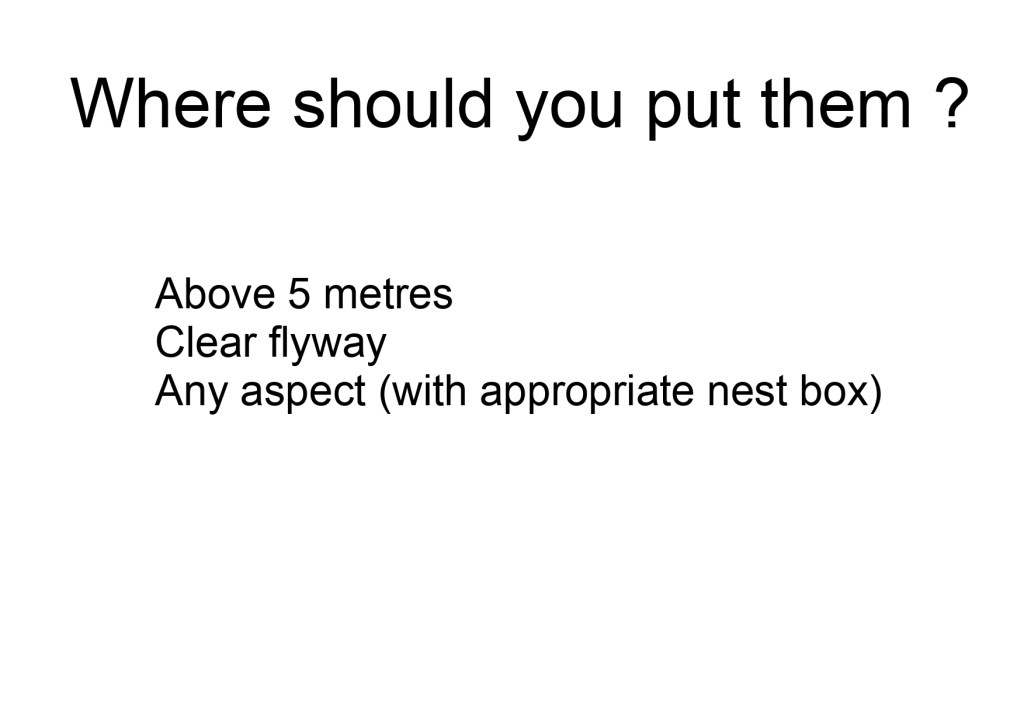
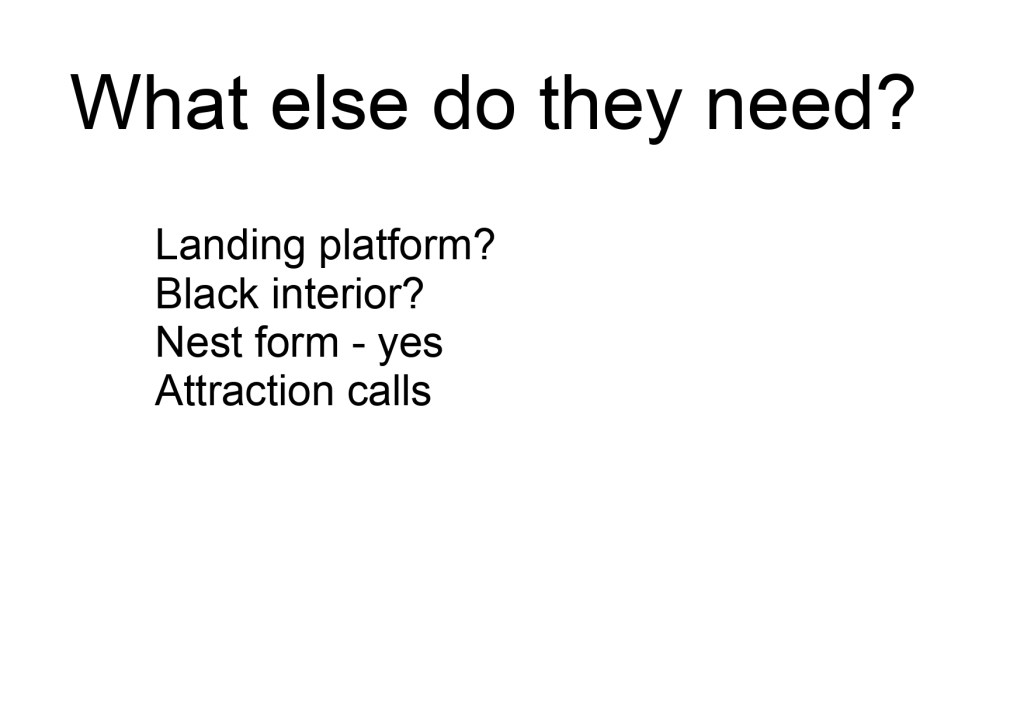
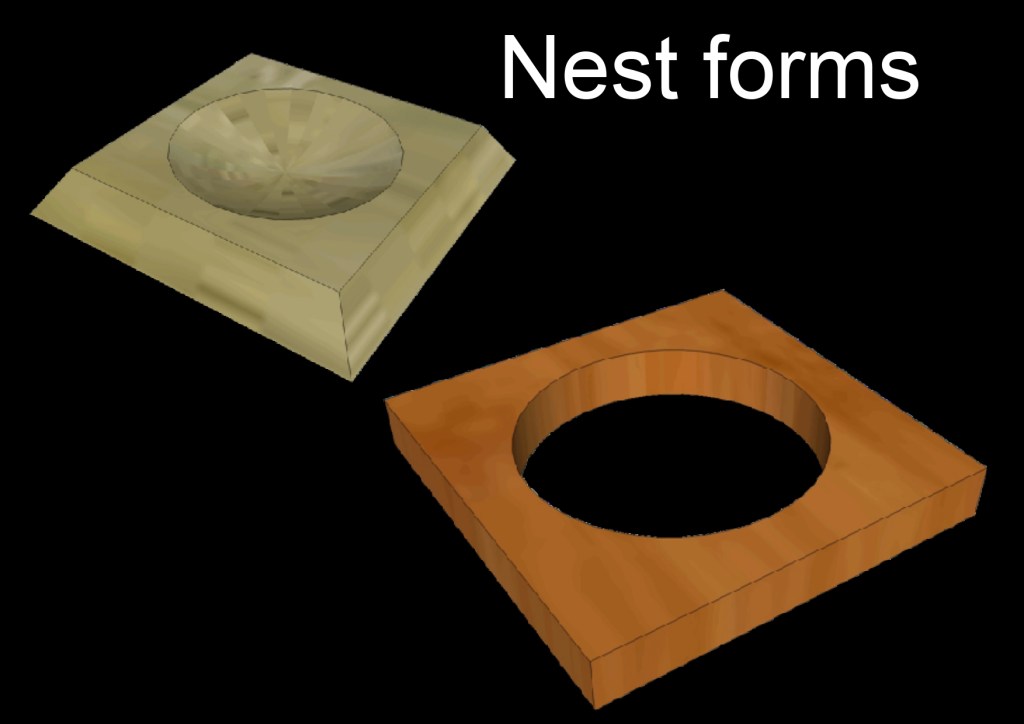
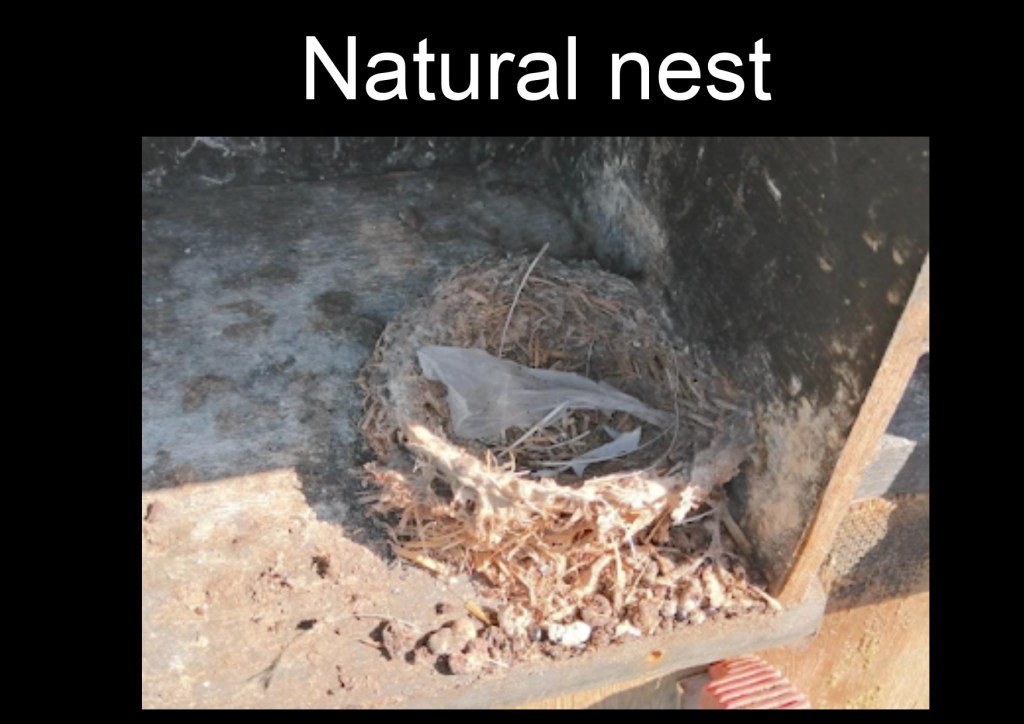
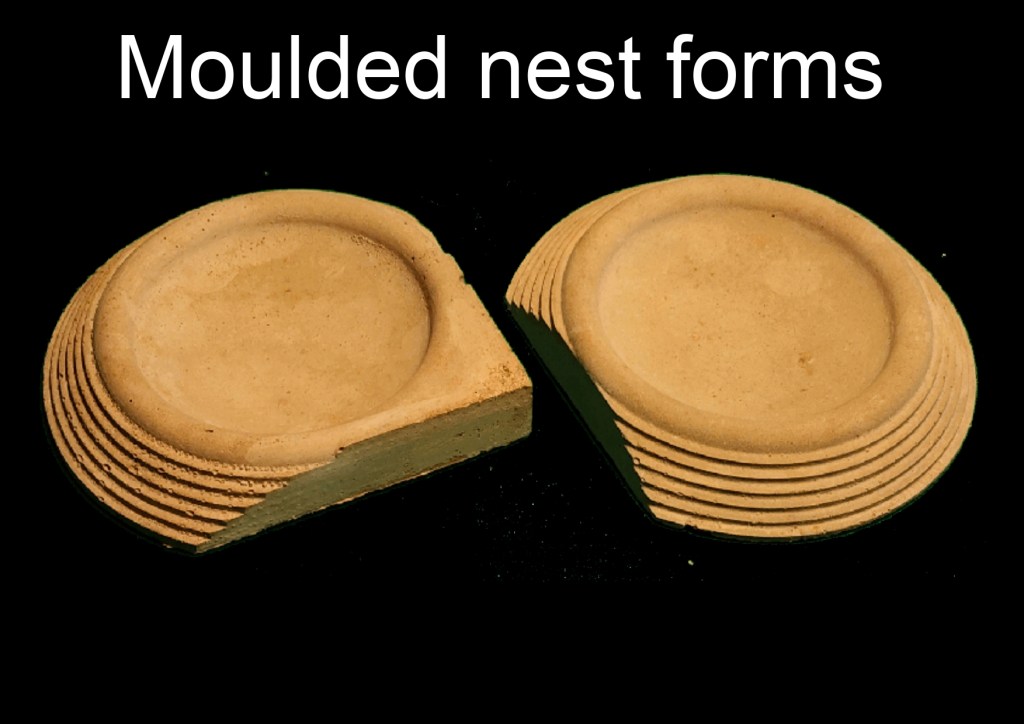
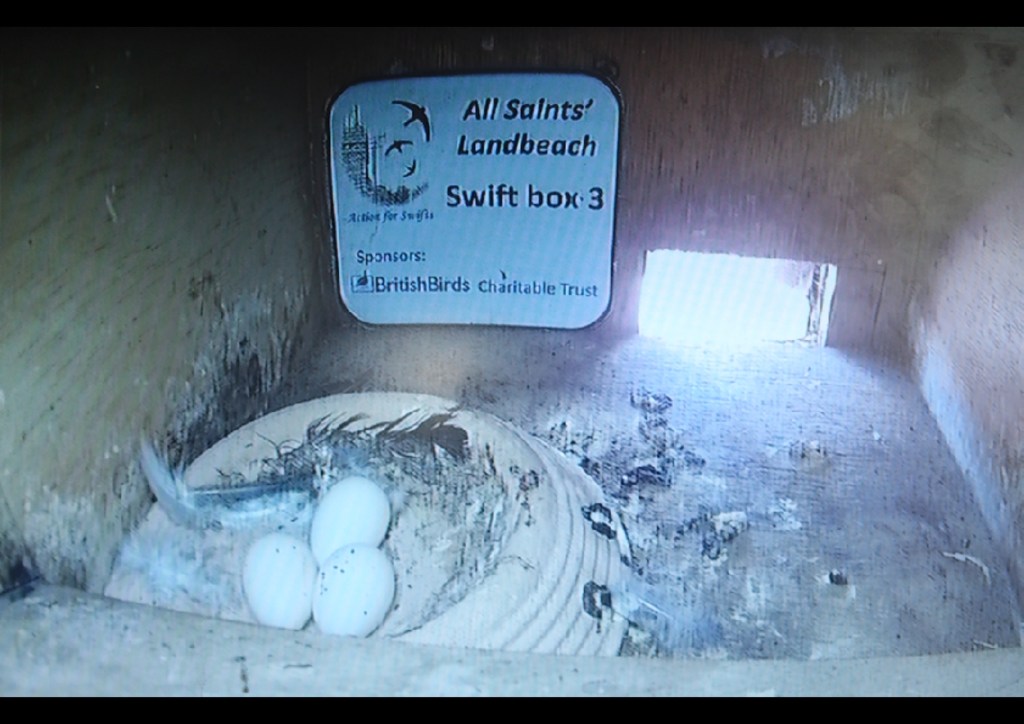

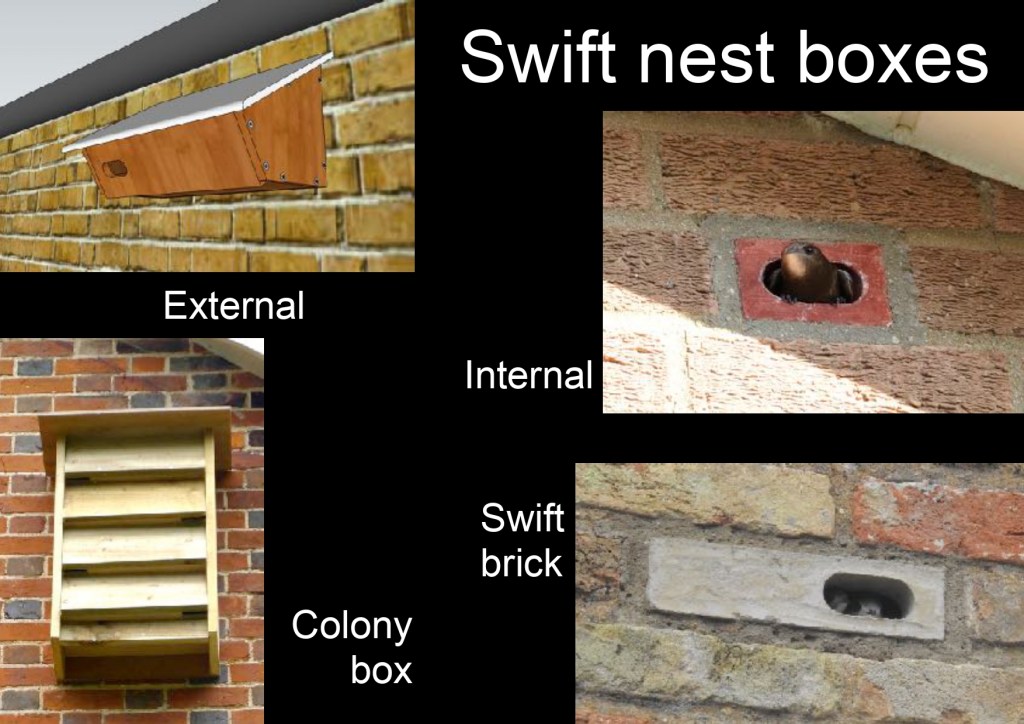




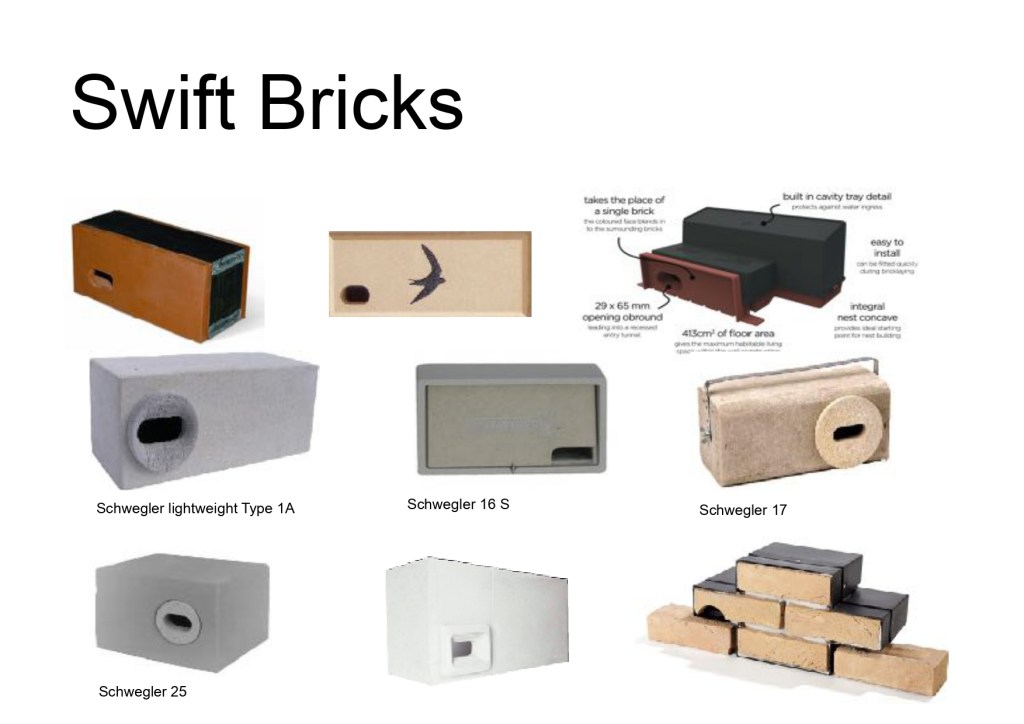
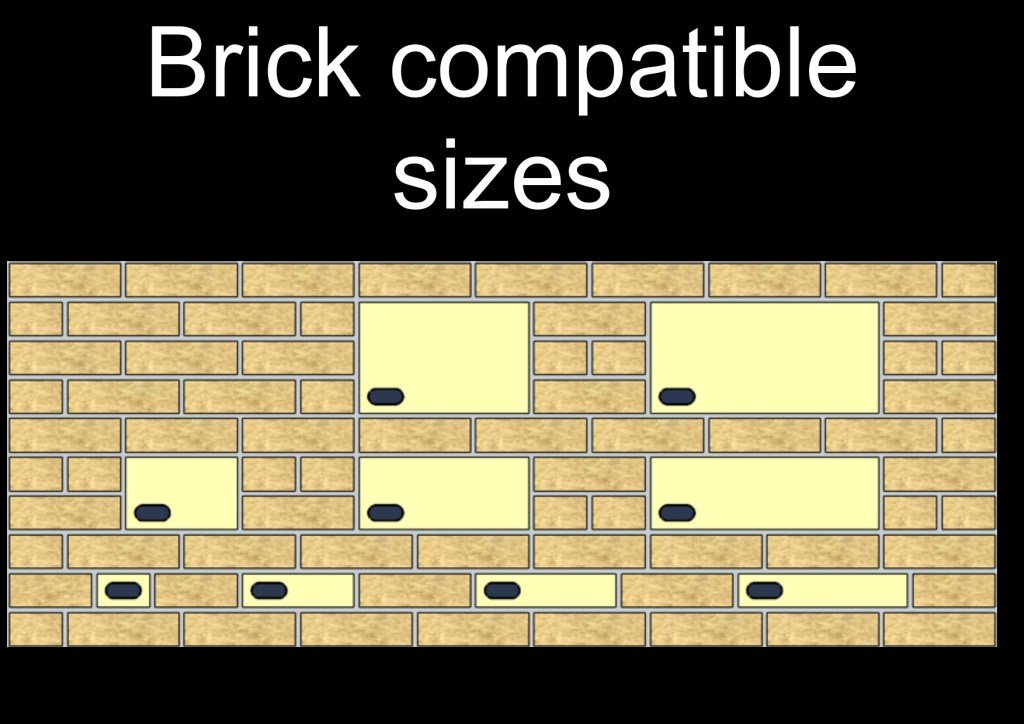

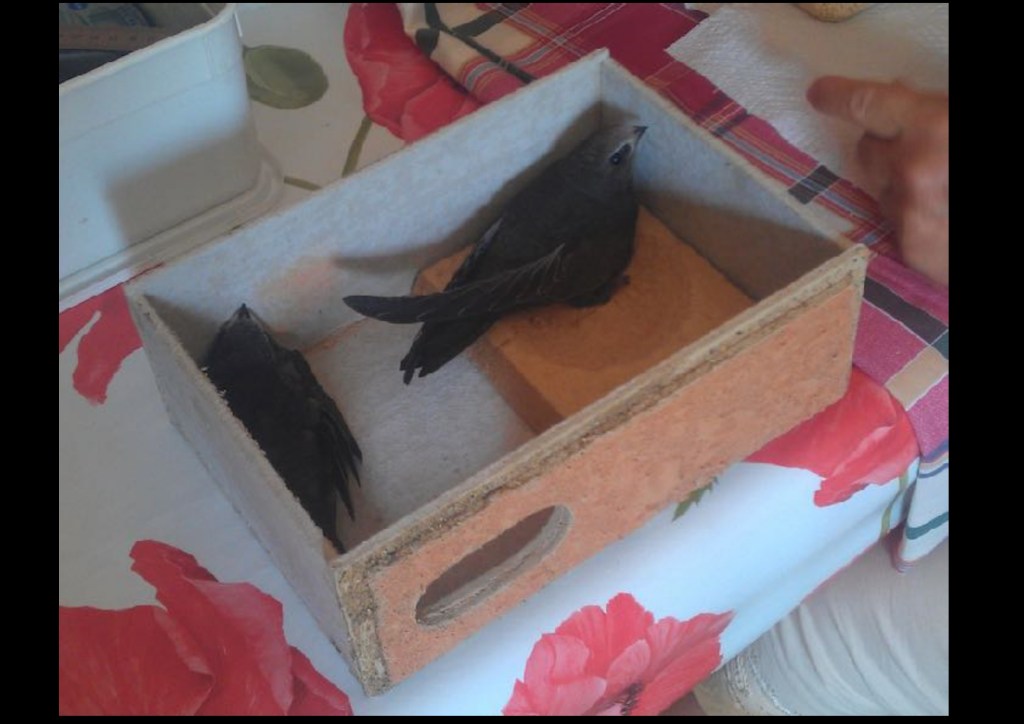
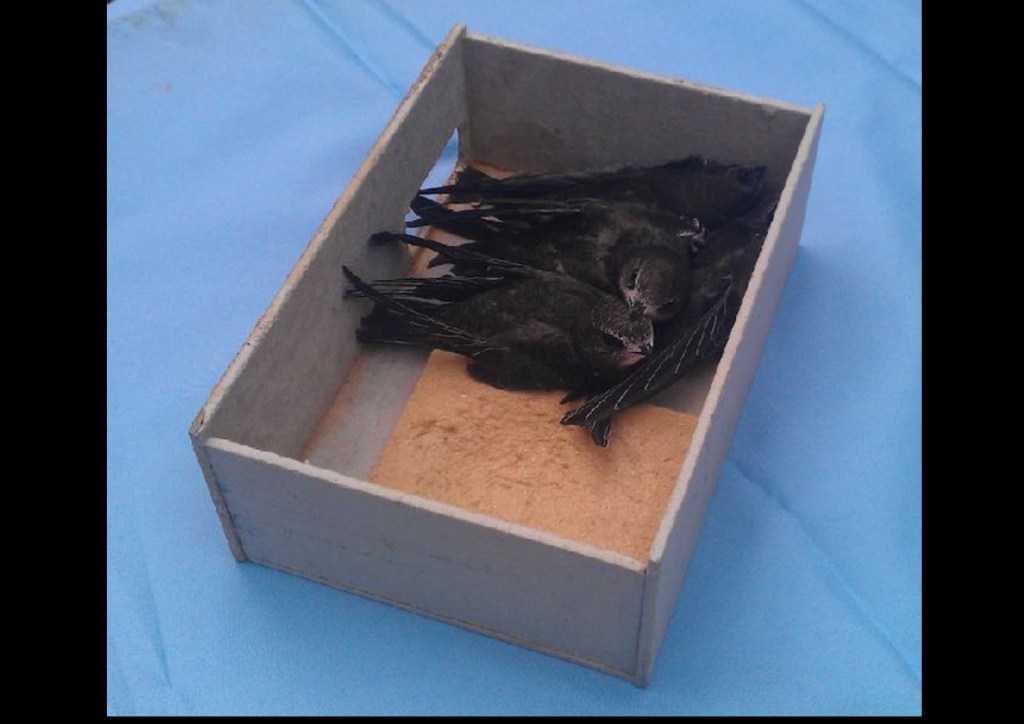
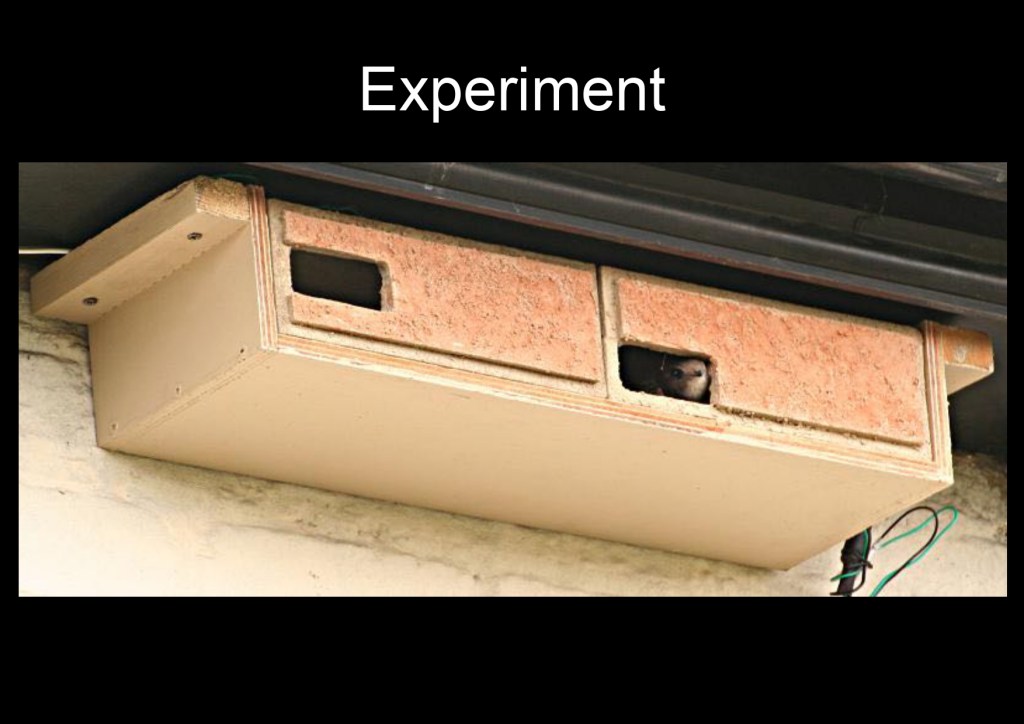

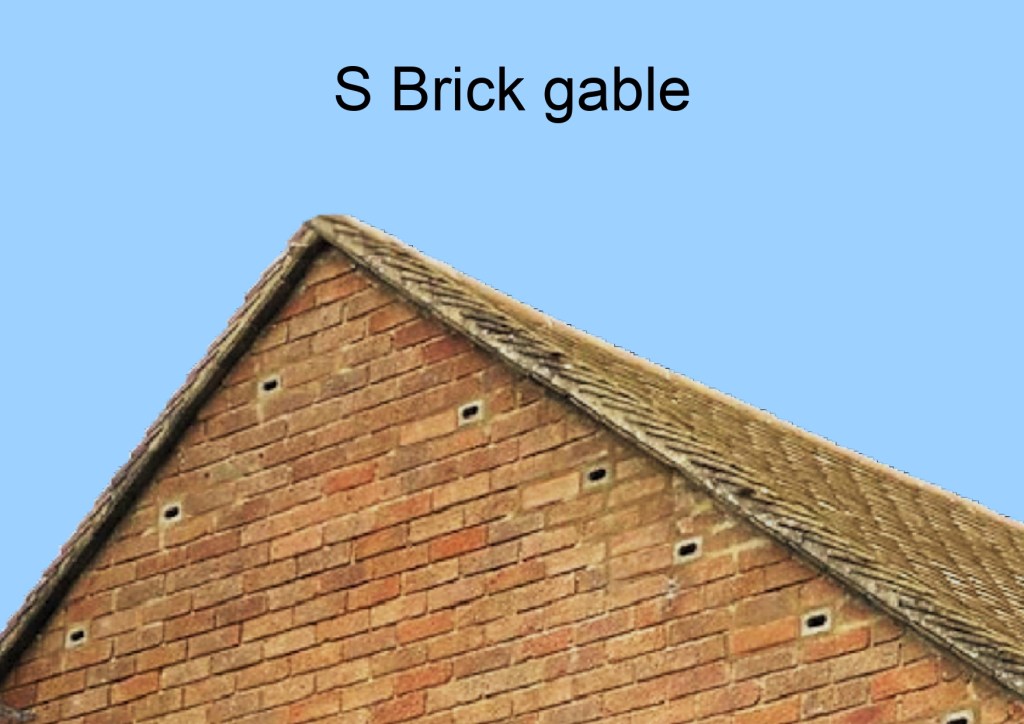
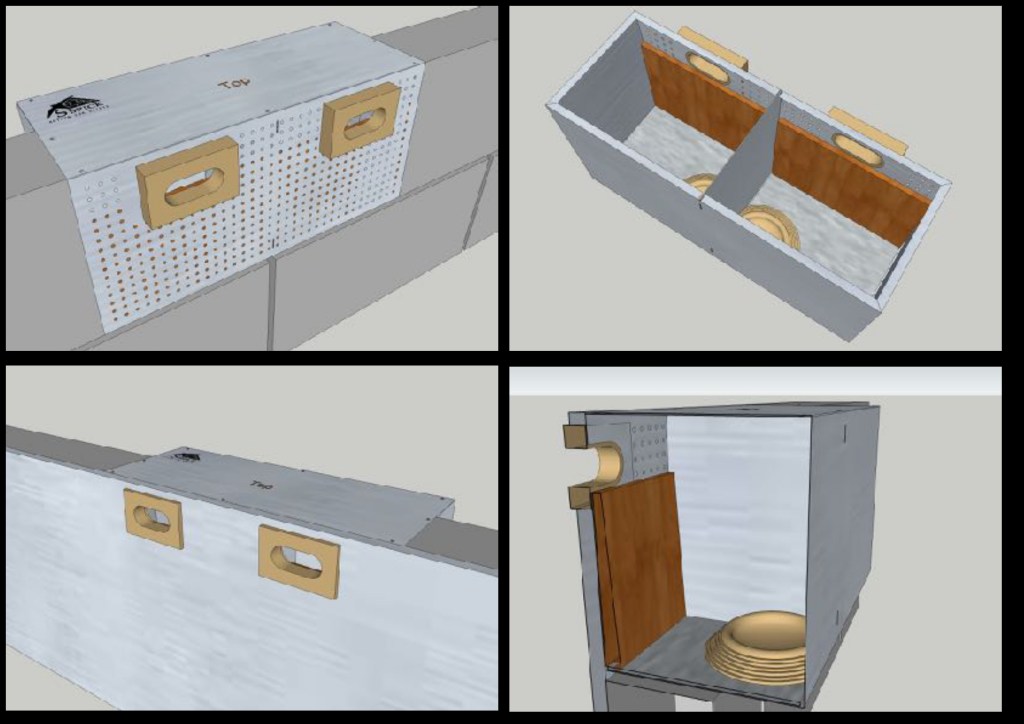
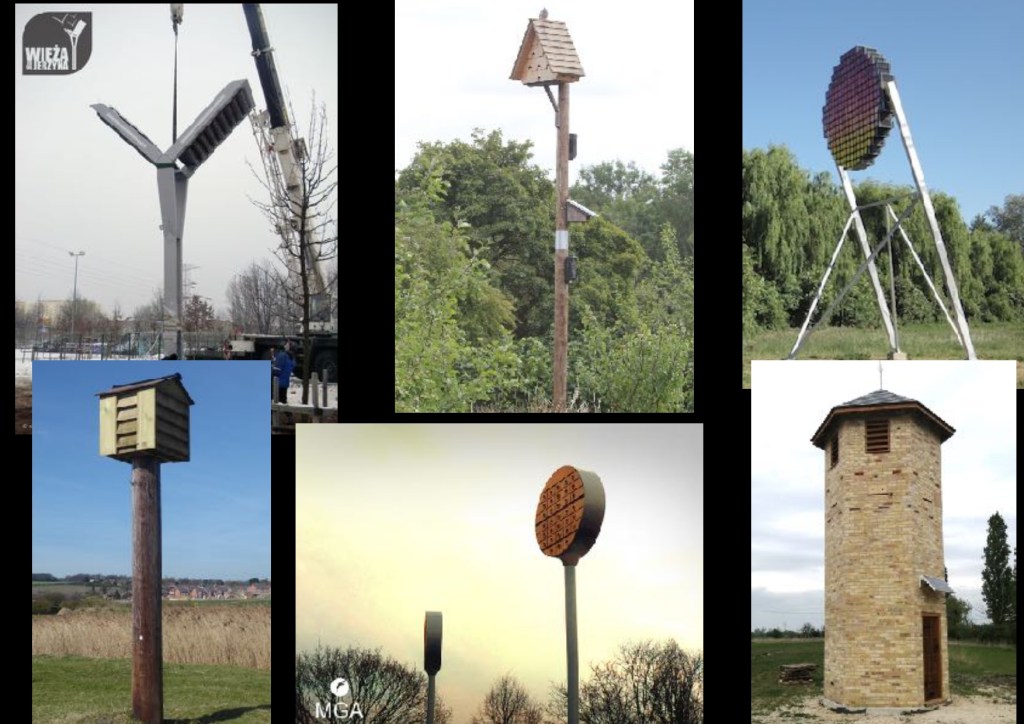
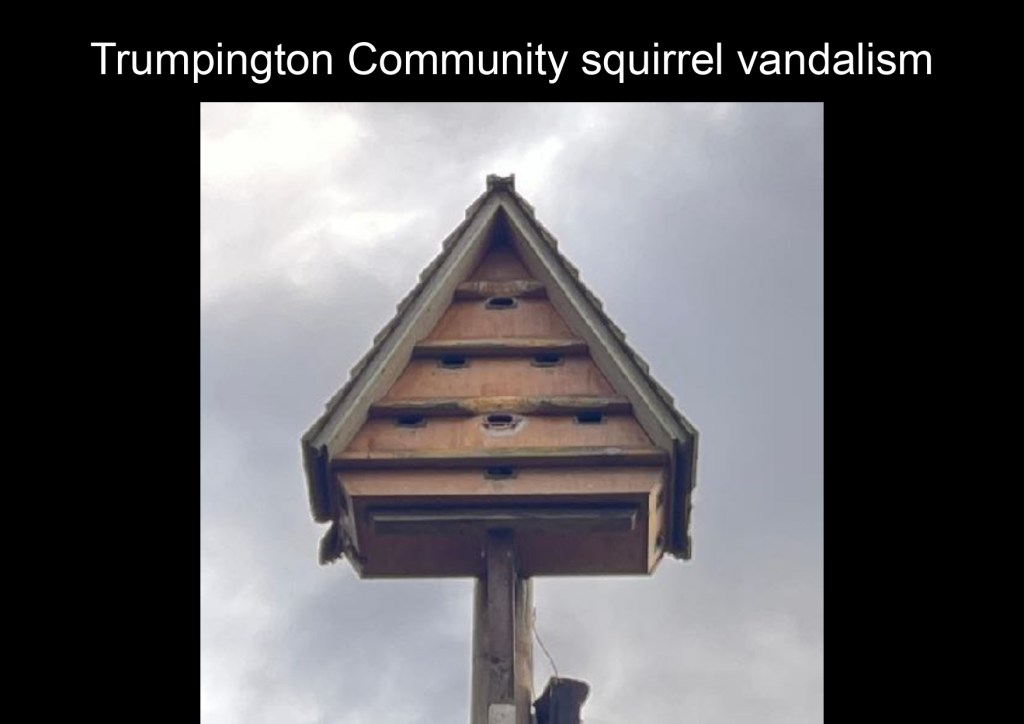
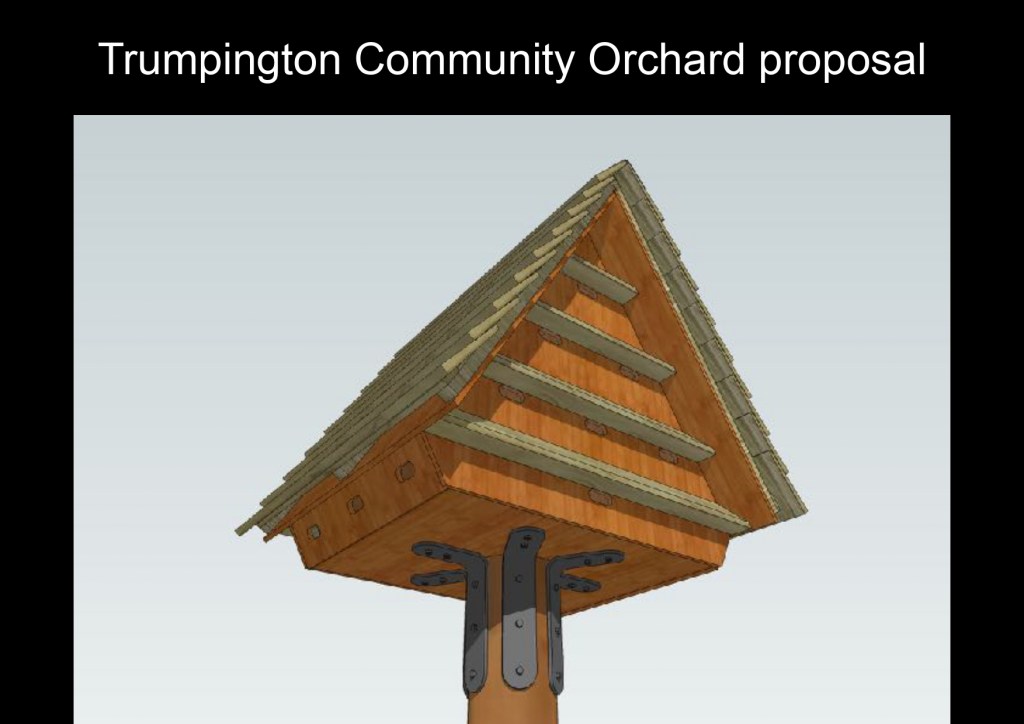

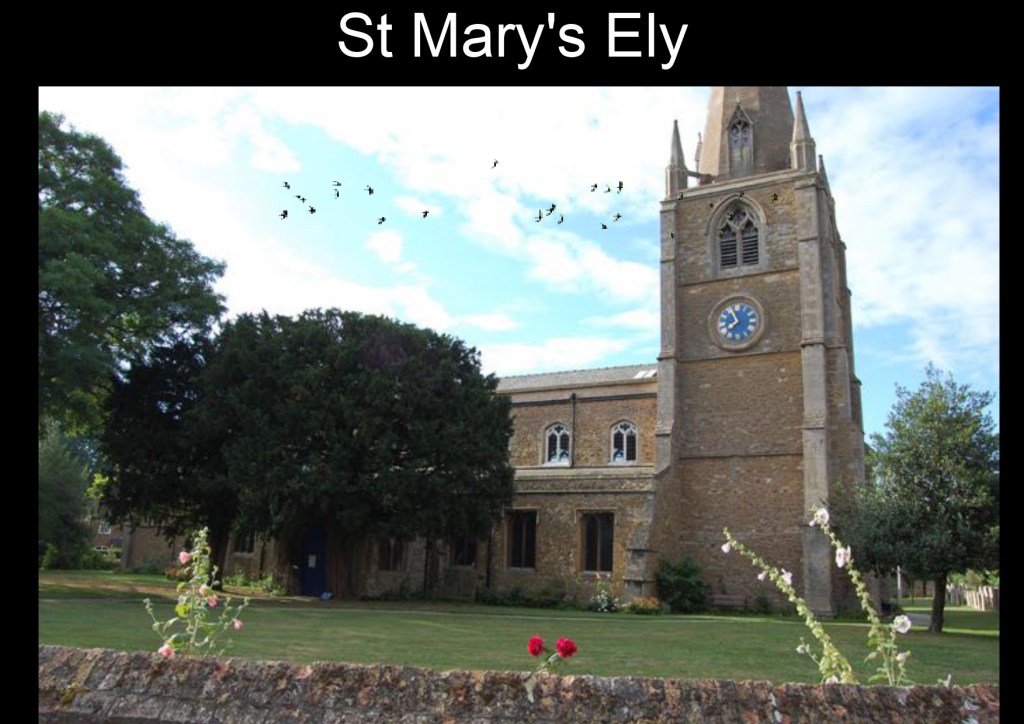
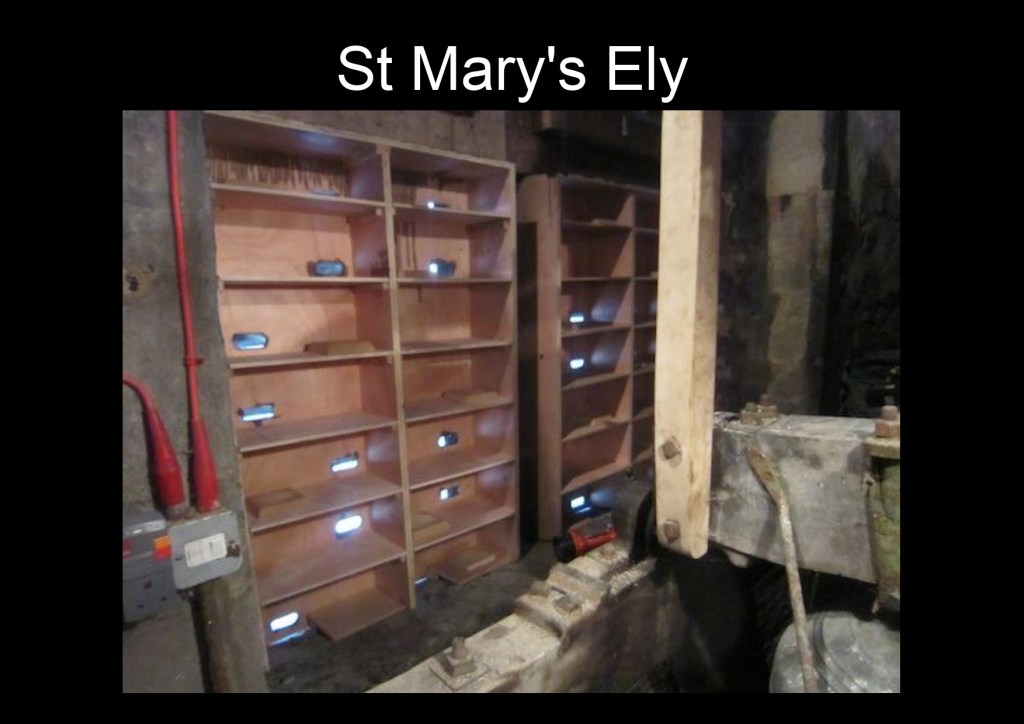
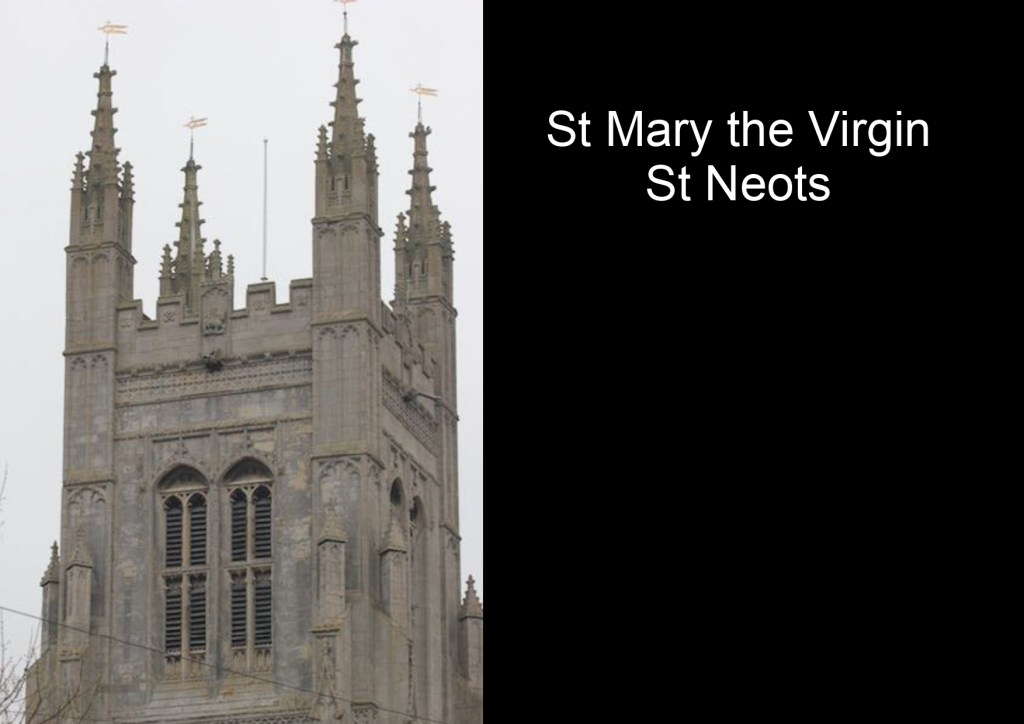
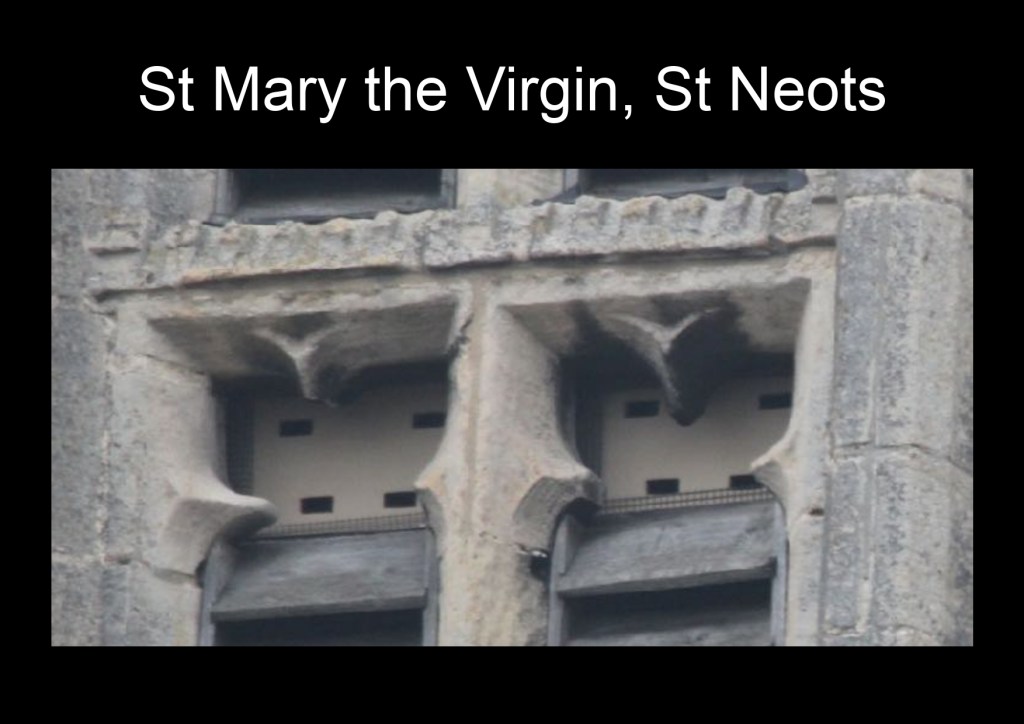
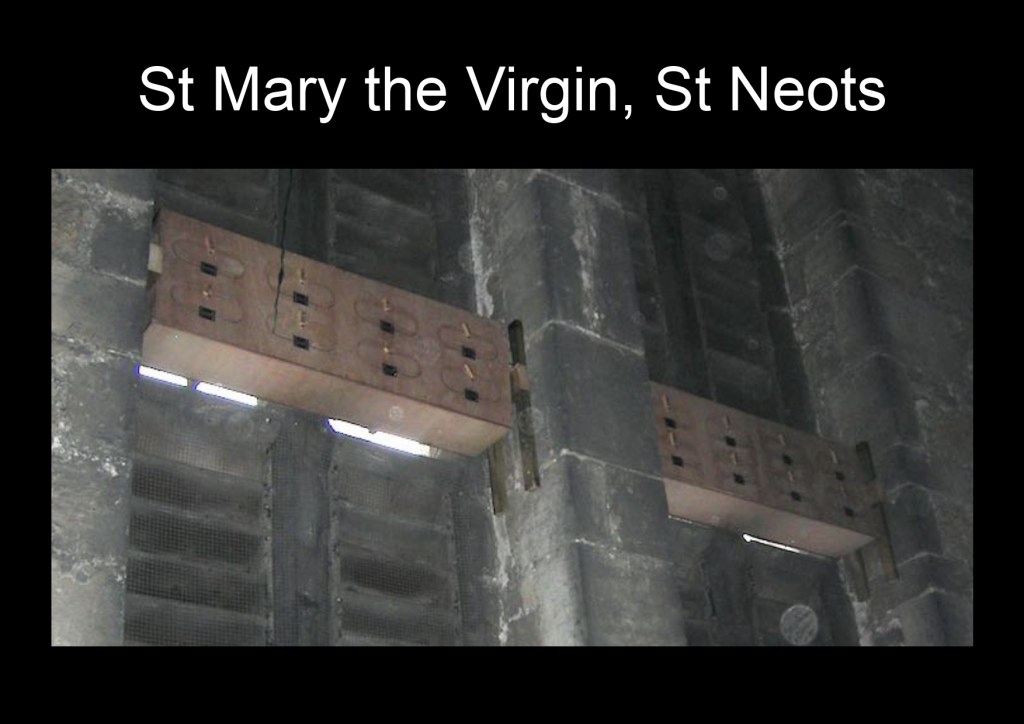
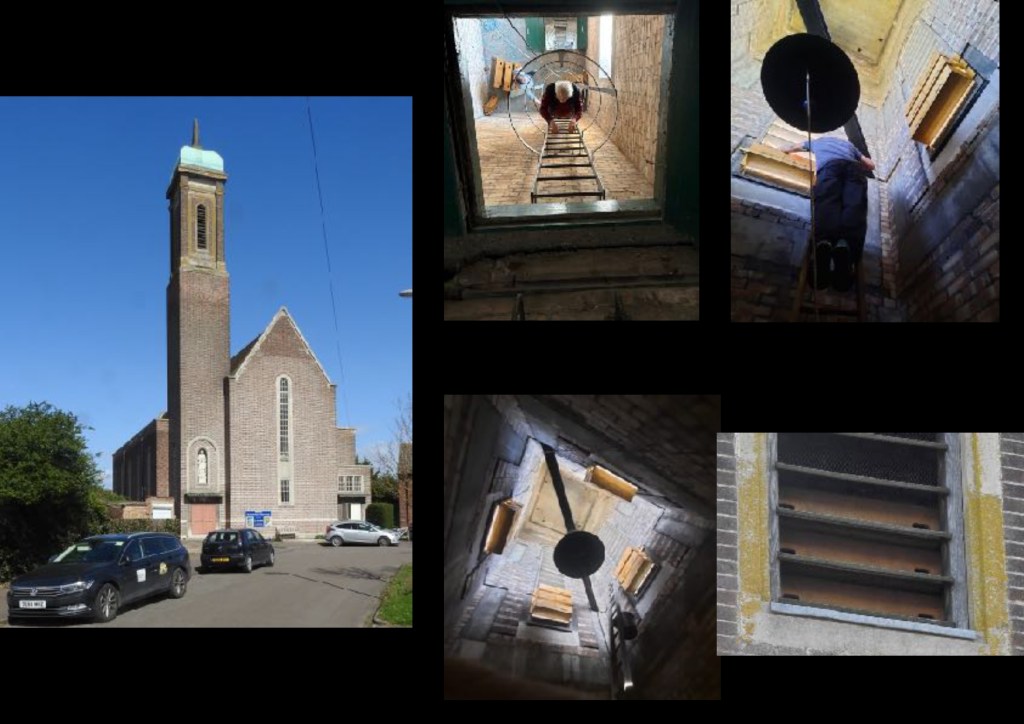
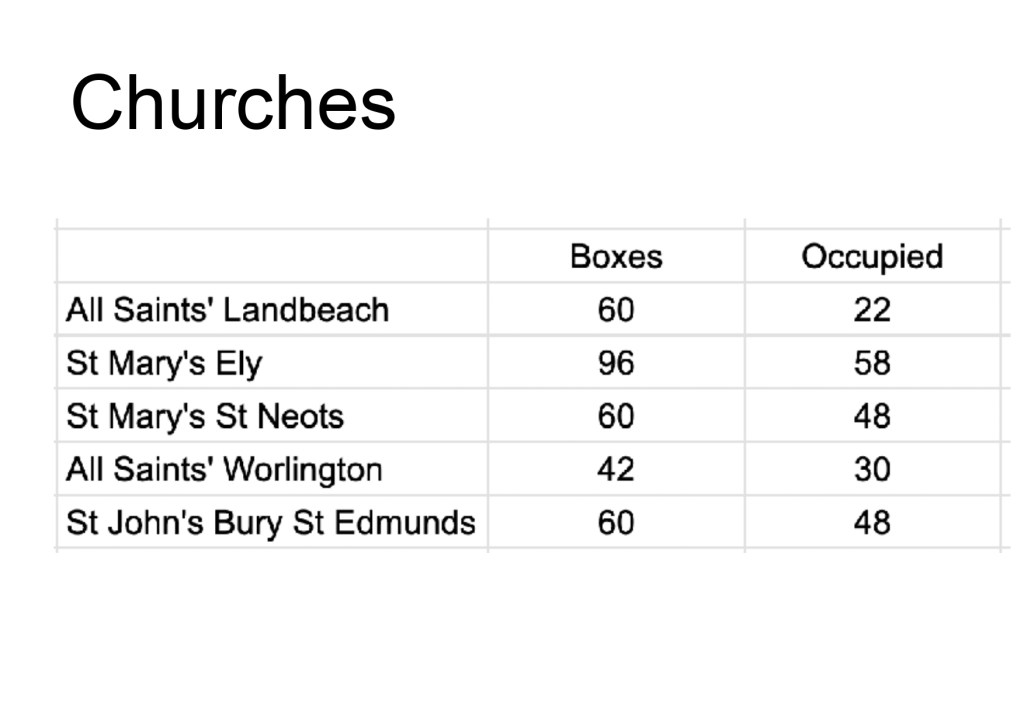
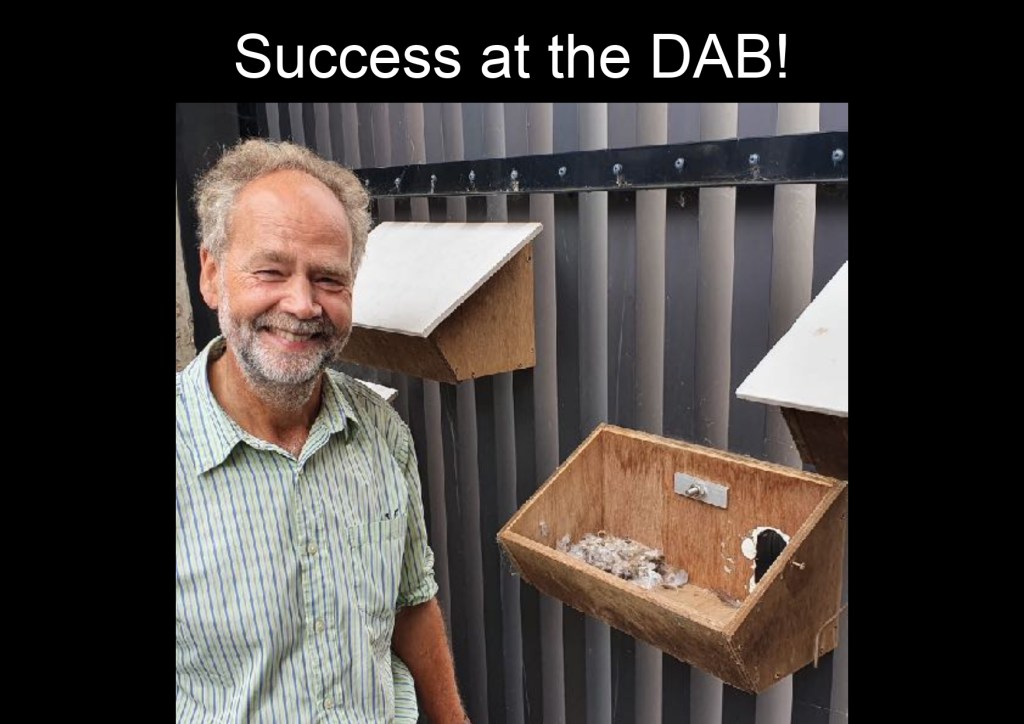
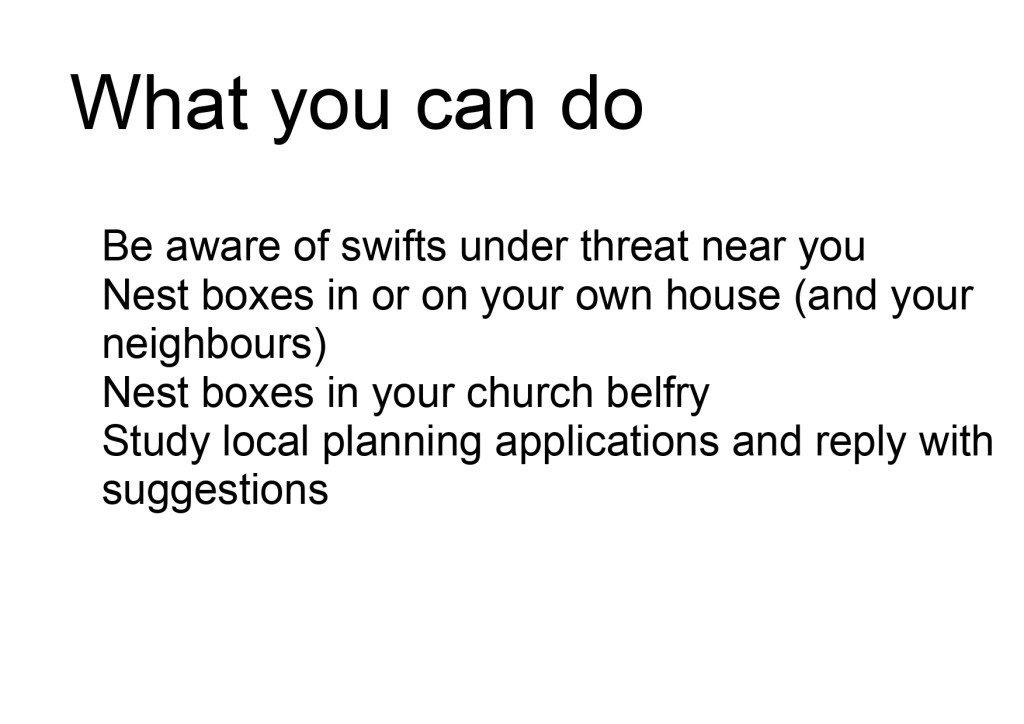
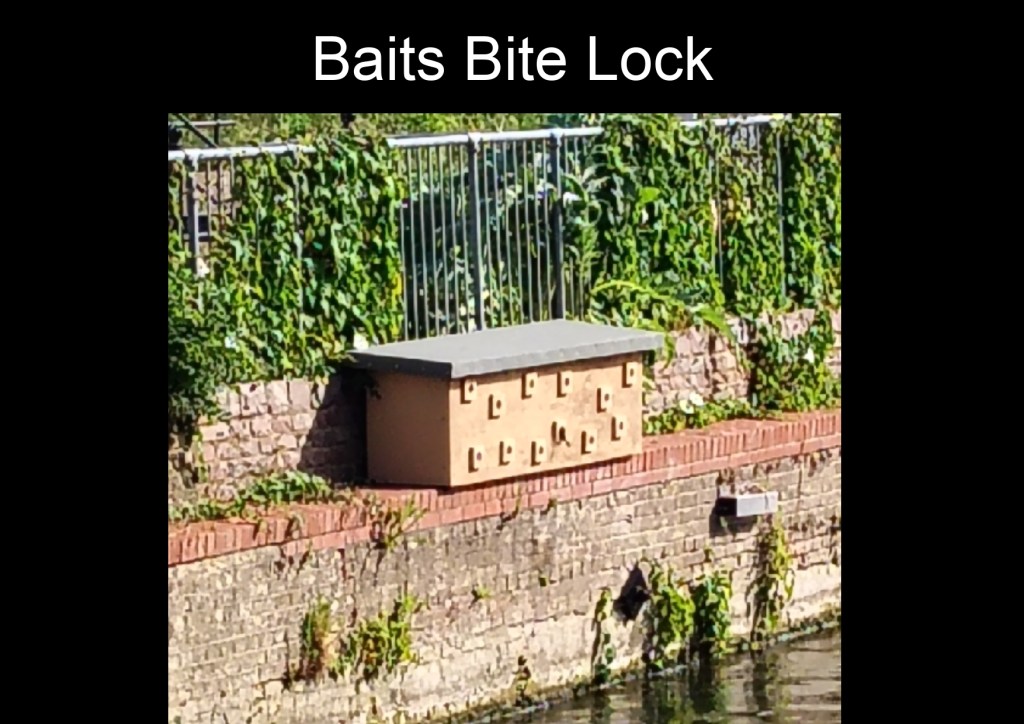

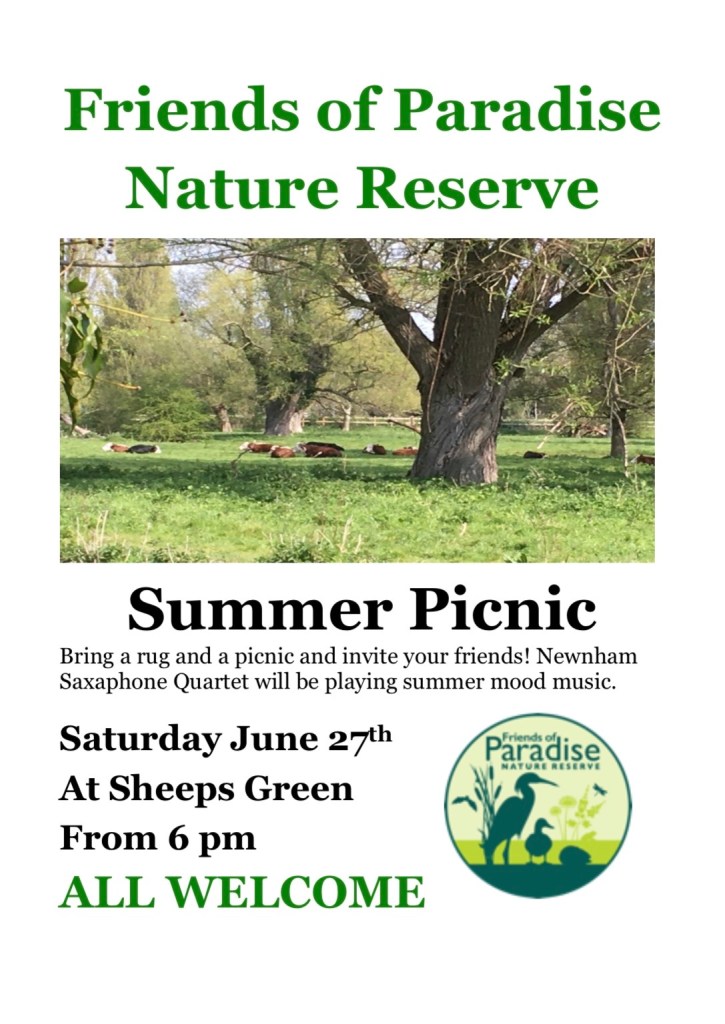
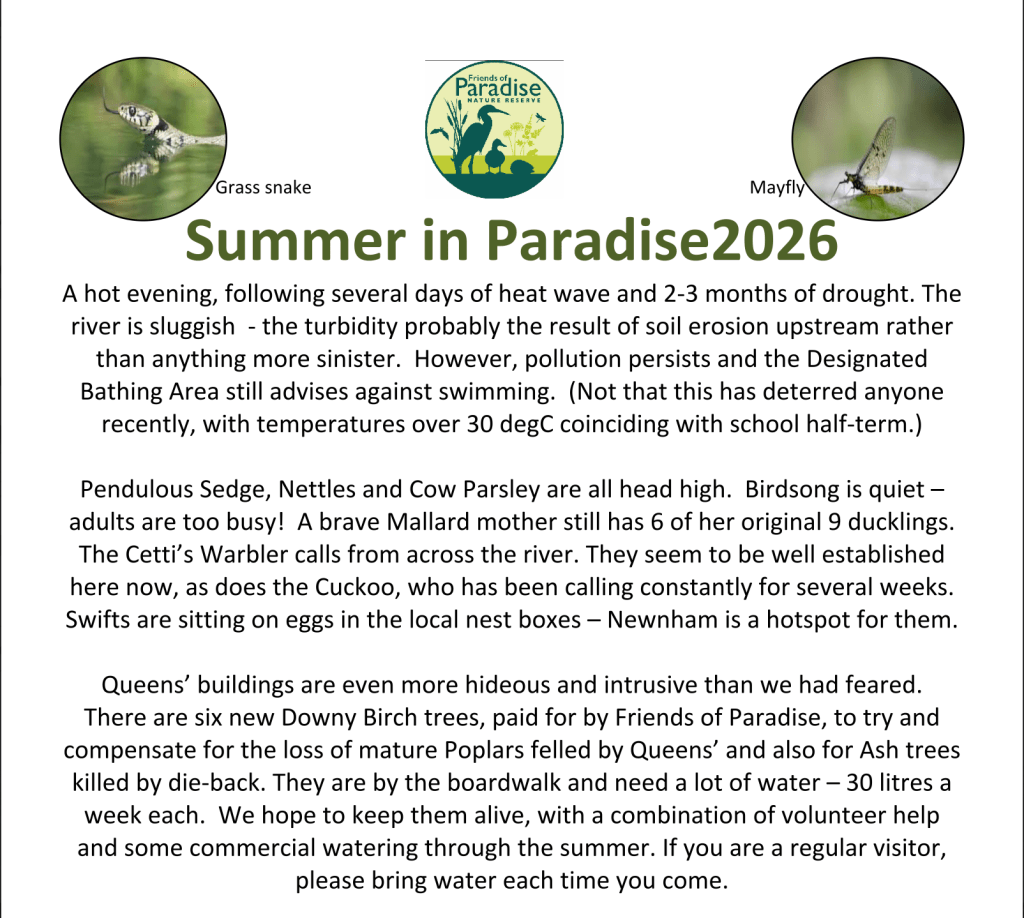
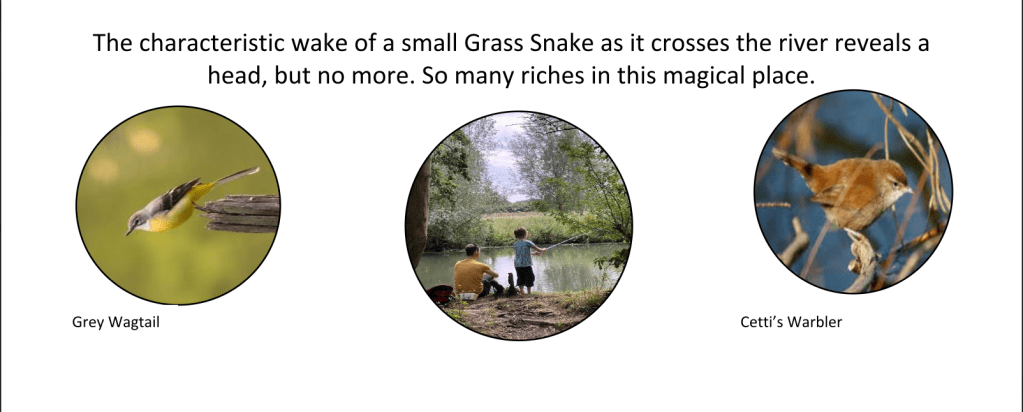
Swifts!
Dear Friends,
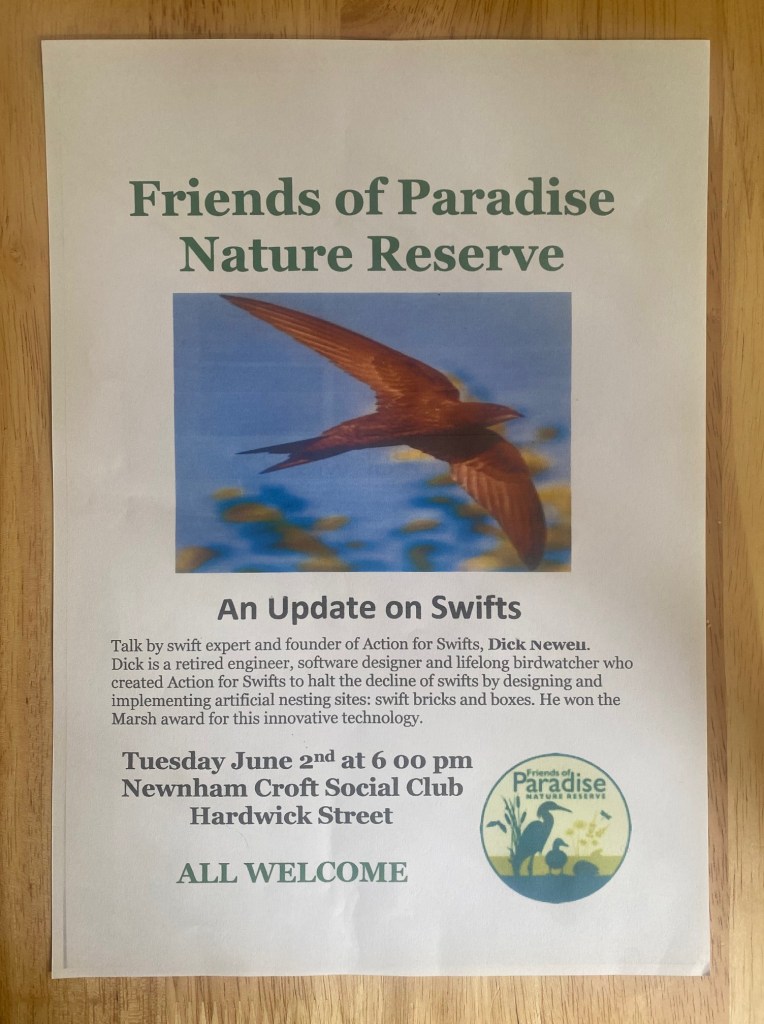
The swifts are returning, and we are delighted to be having an update from expert Dick Newell. See poster below.
Do join us in the Social Club, Hardwick Street, on June 2nd at 6 pm, to hear the latest on these wonderful birds.
Best wishes,
Pam Gatrell
Update on new tree watering
Many thanks to everyone who has been diligently watering the 6 new trees in Paradise. This, together with the weekly delivery of 30 litres by Olwen, Brian and Dario, will be ensuring that the trees survive this dry spring.
This regime will go on through May and June, so do please continue with your efforts, as these occasional short sharp showers are not enough to keep the trees alive.
In July and August we are employing Mercer Tree care to do professional weekly watering, as it is likely to be a hot dry summer, and the ditch will probably dry up. To finance this we will need to raise funds of £1000. Donations, however small, will be very welcome, as the Friends’ funds were used up purchasing the trees and paying for their planting .
Any donations can be paid into the Metro bank account we have:
Business Account: Paradise Nature Reserve
Account number: 45094294
Sort code: 23.05.80
Your name will appear on the bank statement next to your donation, but if you would like an acknowledgement please leave your name as reference.
Thank you…every little helps!
Best wishes,
Pam Gatrell
Chair of Friends of Paradise
Essential summer watering of the 6 new mature trees in Paradise!
Dear Friends,
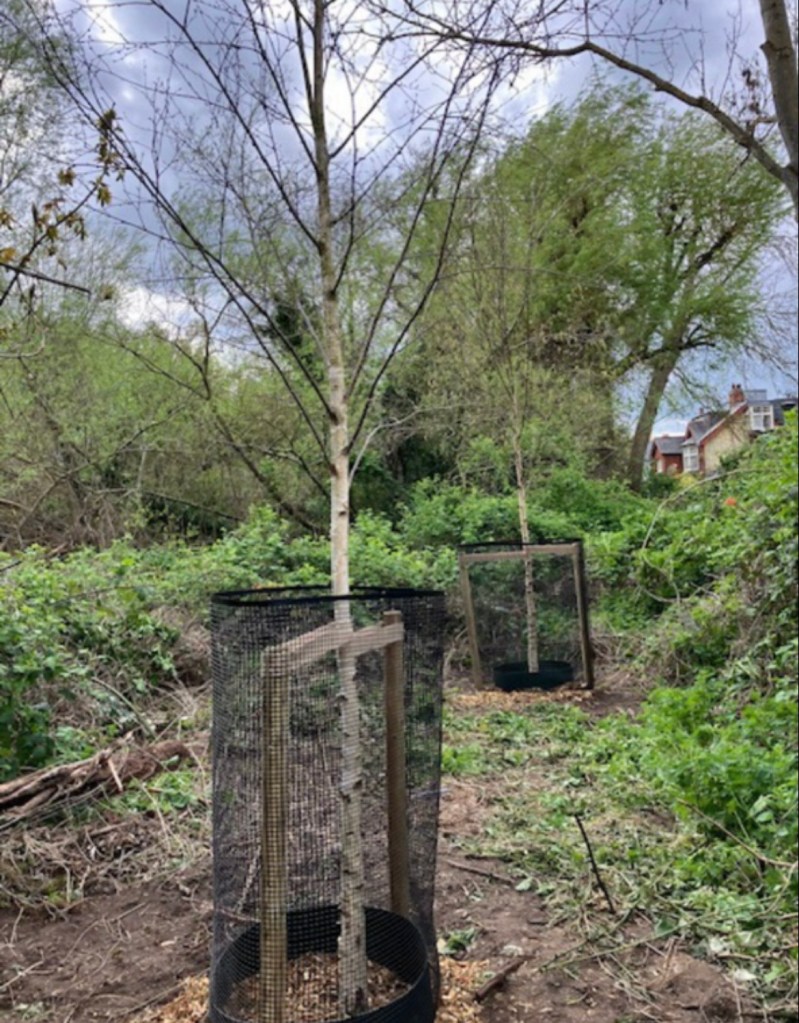
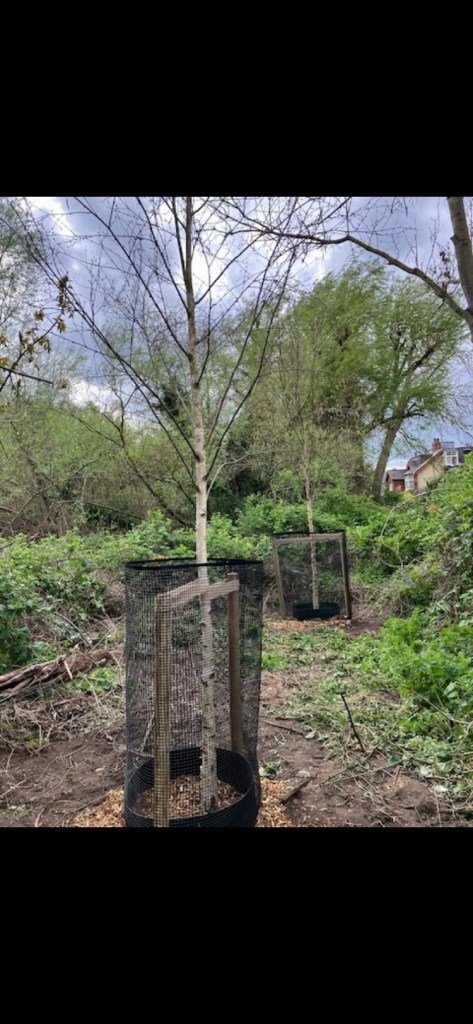
As you know, we have recently funded the purchasing and planting of 6 mature Downy Birch trees along the boundary with Owlstone Croft. They are all surrounded by a plastic mesh cage and have lots of woodchip. This needs soaking once a week.
Three are between the path and the fence, near the lodge. (It appears to be the site of an old rubbish tip!) This is to fill in the gap left after demolition of the nursery.
Two are further along the boardwalk, on left and opposite Queens’ felled poplar trees.
Mind the brambles!
The last is further along, on right, and immediately beside the boardwalk.
Hopefully these 3 will bulk up the boundary tree line for the bats, now out in numbers. Each tree needs 30 litres of water a week to survive and thrive. At present, a few volunteers are collecting river water to do this, but more help would be appreciated. Please contact me if you can volunteer to help Olwen, Brian and Dario.
In addition, if everyone walking in Paradise takes a bottle of water for the three higher up trees on the drier ground, that would be very helpful in ensuring that they grow into a strong green screen.
Volunteer river watering will continue weekly during May and June, and then we are employing Mercer Tree company (who planted the trees) for July and August. To do this we will need to raise funds, and will shortly be launching a Go Fund Me website to do so.
With thanks and best wishes,
Pam Gatrell
Chair of Friends of Paradise
Trees planted in Paradise for a new ‘green screen’
Dear Friends,
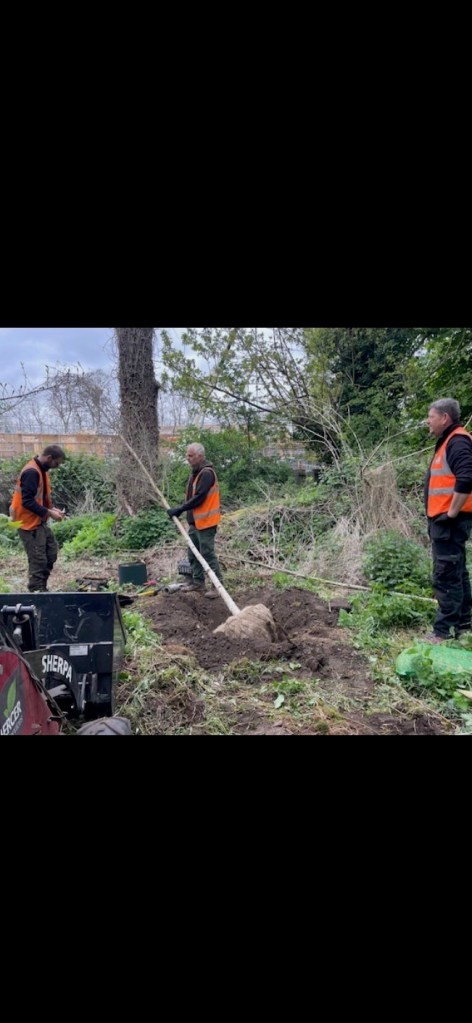
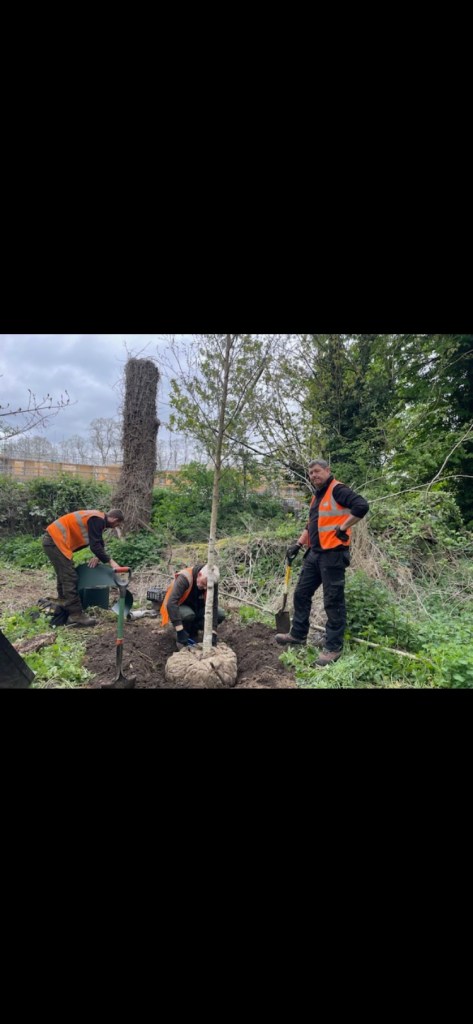
After long negotiations, it is a great relief and pleasure for me to report that the Council finally gave us permission to plant six mature Downy Birch native trees in the Reserve.
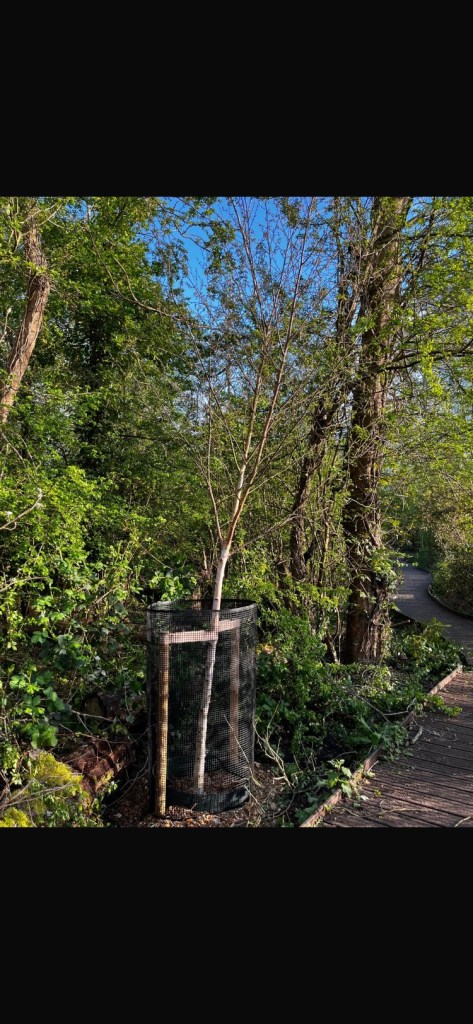
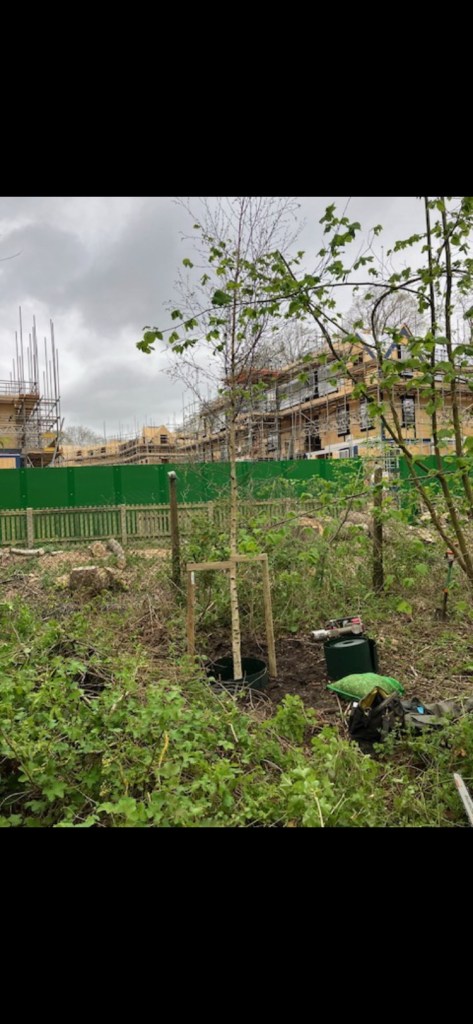
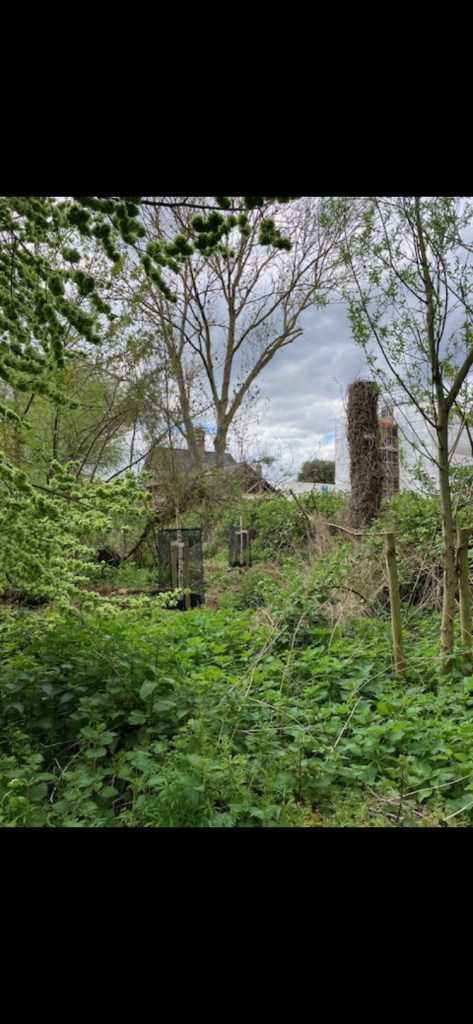
These have now been planted along the boundary with Owlstone Croft to replace the green screen and bat flight path that were lost following the felling of the poplar trees by Queens’ College, and by ash die-back.
The photos attached show some of the locations, and the excellent planting carried out by Mercer Tree Care. It is a great and hopeful start to the regeneration of the green screen.
We were able to fund the purchase and planting of the trees due to your previous generous donations and other fundraising, and we hope to be able to fund some regular watering of the trees by Mercers.
Meanwhile we ask you please to take a bottle of water with you on every walk and water the new trees, especially the two on higher ground. Those down by the ditch will benefit from the high water table there until it dries up in summer; then they too will need frequent watering.
With thanks and best wishes,
Pam Gatrell
Chair of Friends of Paradise
Notes from Olwen’s recent presentation on Newnham Habitats and Wildlife
Summary notes from ‘Newnham Habitats and Wildlife’: a talk given by Olwen Williams on 31 March 2026
Newnham lies on the edge of Cambridge, surrounded by playing fields, agricultural fields and water meadows to the south. It also lies on the junction of green sand and chalk, with Jurassic clays surfacing at Boltons‘s Pit, where excavations for brick building have left a substantial lake. Remnants of ancient hedges can be seen along current field boundaries and tracks, for example each side of the Driftway and the track to the bathing place. The oldest woodland is on Paradise Island. Three nature reserves — Paradise, Skaters’ Meadow and Sheep’s Green — contain some of the original biodiversity.
There has been a huge loss of invertebrates over the last 80 years. Most mammals are now nocturnal. There is a rich bird population.
The river corridor joins the city centre to Grantchester Meadows and supports fish, bats, birds, water voles and otters. Newnham is at its narrowest point and sadly Queens’ College’s new development at Owlstone Croft has narrowed it still further.
Sheep’s Green has many veteran willows and the flooded water meadows contain lots of unusual plants, including butterbur, first recorded in Paradise in the 1660s.
Paradise has nearly 200 species of invertebrate recorded, but many more wait to be found. The river contains 14 species of fish, ranging from minnows to pike and including sea trout and eels.
Grass snakes flourish and can be seen swimming in the river. Paradise has eight species of bat, including the rare barbastelle. These are threatened by the loss of trees along the boundary and by light pollution from Queens’ development.
Badgers flourish, which means, sadly, that we no longer see hedgehogs. Hares romp on the fields above Grantchester Meadows. Stoat and weasel are occasionally seen, as are water voles and otters.
Jackdaws and rooks flock in large numbers in the winter, before the herons and egrets take over the woods. There is a growing swift colony in Newnham, based in Owlstone Road. In winter, there is a murmuration of starlings over the lake at Bolton’s Pit. We have lost the feral white geese, but gained the very elegant white egret. Other newcomers include Cettis Warbler and recently Firecrests. Sadly, we have lost many of the chaffinches and green finches.
To maintain biodiversity, we need to preserve habitats – woodland, ancient hedges, nature reserves, and especially garden biodiversity. We need to fight encroachment by new developments. CPPF have taken over the management of Grantchester Meadows and plan to do a survey of visitor opinion, increasing tree cover, increasing marshy areas and controlling cattle grazing.
Private gardens are crucial. We can all help by avoiding chemicals, growing plants for pollinators, increasing trees and ponds and bird boxes. Recent advice is not to feed birds in the summer and to clean feeding stations very regularly.
We have many strengths – including the South Newnham Neighbourhood Plan, Green Party councillors and the iconic status of Grantchester Meadows. Threats come from planning authorities who are weak in resisting developers such as the University and its colleges. Pollution from pesticides and herbicides and also light pollution offer further threats.
Activism works, untidy verges, and gutters are okay, no chemicals!
——-
Olwen’s slide presentation.


You must be logged in to post a comment.