Our nature reserve remains as popular as ever, with hundreds of visitors every day. We have at last a riverbank footpath which is dry enough to walk along in ordinary shoes and a boardwalk extension which allows traffic, including buggies and wheelchairs, though at the moment it looks more like a beach, as it has been finished in orange sand! We are assured it will mellow and it is a great improvement on the muddy stretch it replaced.
Before and after!
Water Voles have emerged from their winter burrows and have been seen cavorting along the river bank. A Mistle Thrush was seen and heard in the tall trees – perhaps they will nest with us again. Treecreepers can be seen if you watch patiently, brown as the tree trunk they are climbing, as the find insects in the crevices of the bark. Blue Tits and Robins are everywhere.
Treecreeper Andrew BryceButterbur Olwen Williams
The Butterbur is now in flower – this patch was noted 400 years ago, by the eminent botanist John Ray. It has been protected by a low willow fence, as have other places along the river where new willow saplings have been planted.
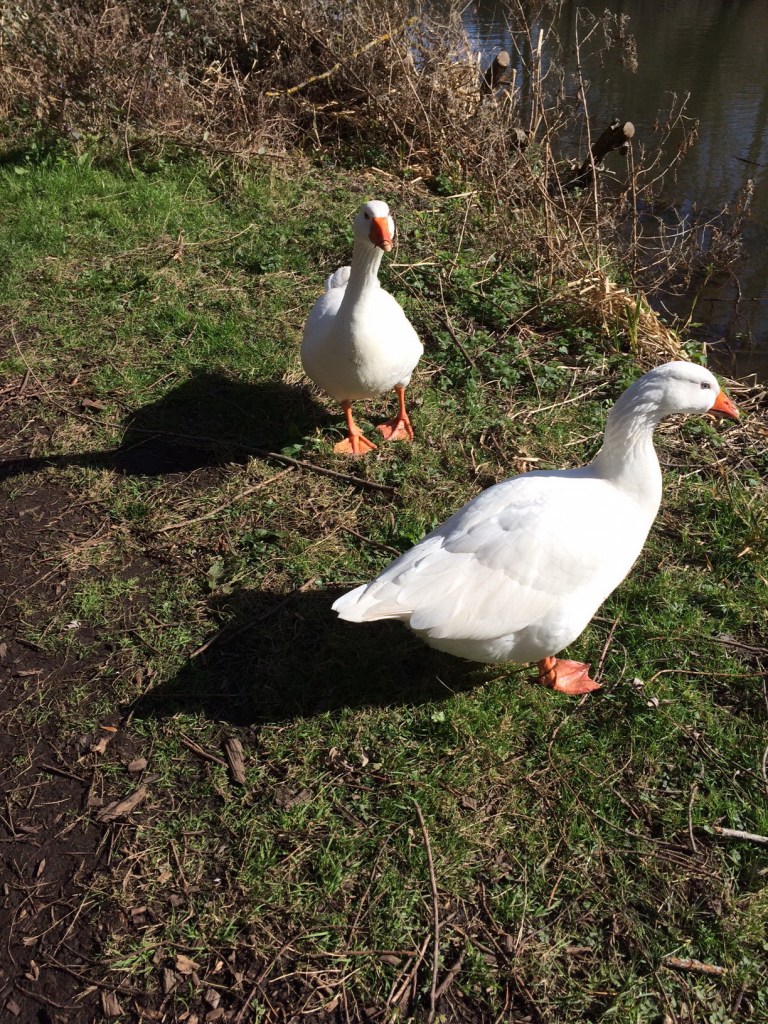
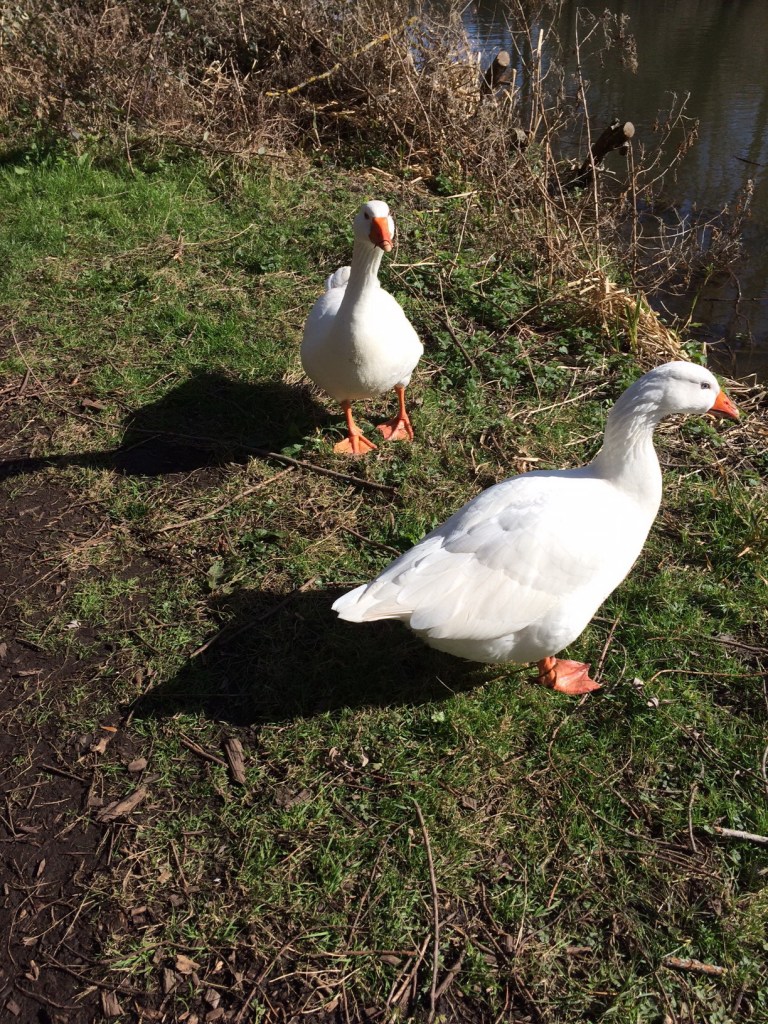
The small flock of white feral geese grows ever smaller. There have been no goslings for at least three years and they are now down to five. Although one was seen preparing a nest, it is doubtful whether they can survive, given the amount of human footfall and interference. A notice asks people to avoid the end of the Triangle, in the hope that breeding will be successful this year.
This is to update you on the Queens’ College proposals to build additional student accommodation in the garden of Owlstone Croft – see www.owlstonecroft.co.uk
We feel this would have a very damaging impact on the Nature Reserve, and have responded to the initial consultation, expressing concerns about it.
The College has said that they will be submitting the planning application in March, and we need to be prepared as there will then only be 21 days to comment. There is a lot of information to assemble in order to make clear the likely harm that would be caused to Paradise. We realise that we will need some professional advice, especially on the legal issues, and will need to do some fund-raising for that. We will keep you informed on the proposals and let you know how you can help to protect Paradise.
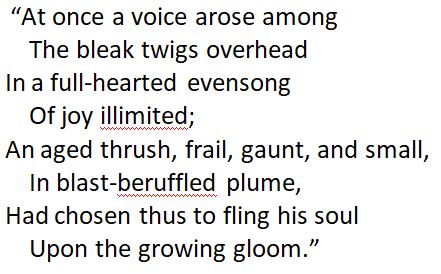
Although birds have seemed scarce recently, on 16th December I heard the first Song Thrush in song. Hearing that bird singing in the depths of winter, I am always reminded of Thomas Hardy’s poem, The Darkling Thrush.
Paradise is ‘home’ to a mixed flock of Jackdaws and Rooks. I was asked if there was a Rookery, but no – in spring, it becomes home to the Herons – who generate up to 12 nests and a lot of noise. In the winter, it is a meeting point for Jackdaws and Rooks both morning and evening, en route to and fro Madingley. This is where the major big winter roost has been for centuries, birds coming from as far afield as Manea in the Fens. So at dawn, they travel over to Paradise and discuss the day, before dispersing to feed. At tea time, they return and regroup, before setting off across the M11 for the night. (I imagine they do that journey much more quickly than any car traffic.)
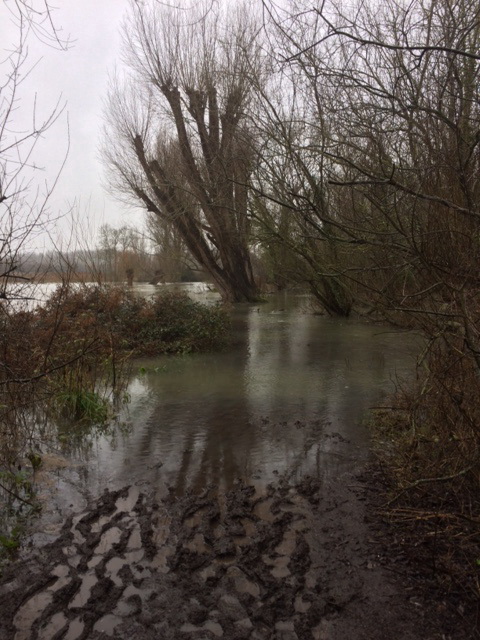
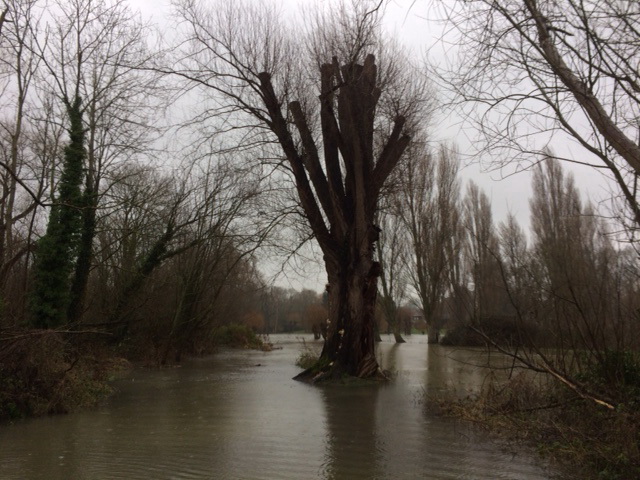
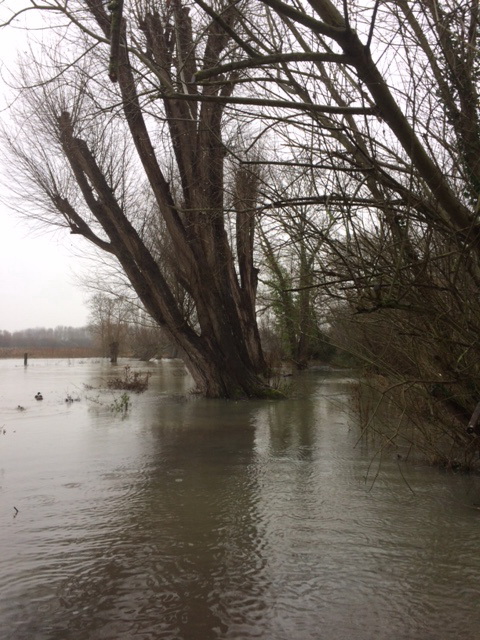
Floods January 2021 Olwen WilliamsAfter the floods Pam Gatrell
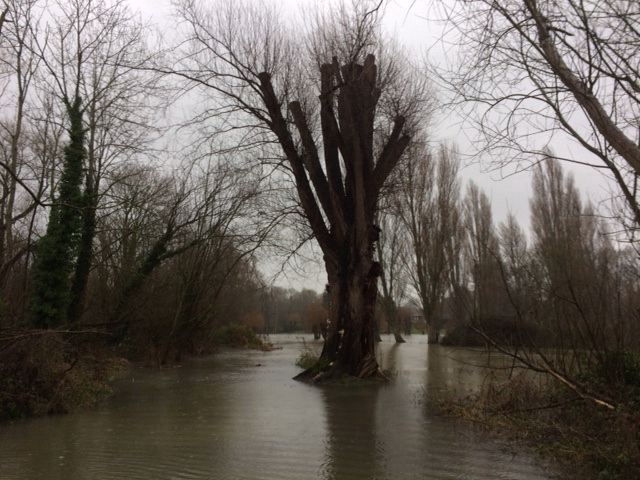
We are now at the lowest light for the year – almost at the Winter Solstice. It’s beginning to get a bit muddy again, but nothing like the flooding of December 2020 /January 2021, when the lake in the reserve was continuous with the main river for a while. Somewhat to our surprise, the swamped vegetation recovered in a matter of weeks. Then nettles took over the job of keeping visitors on the paths and picnickers out of the meadow!
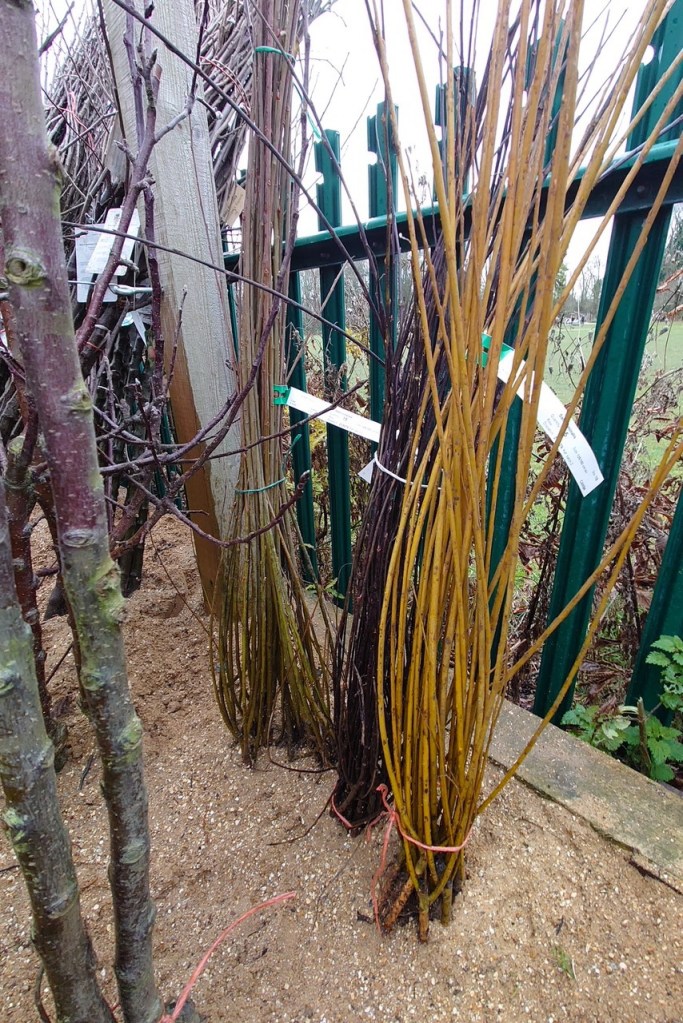
Waiting to be planted! Kenny McGregor
Conservation Volunteer work parties maintain the boardwalk and have cleared the pond and meadow. Recently, willow hurdles were put in place to restrict the width of the path in places. Behind these, more willow saplings will be planted – they are already heeled in at the Council’s nursery. Measures are also planned to reinforce the path where it gets most muddy.
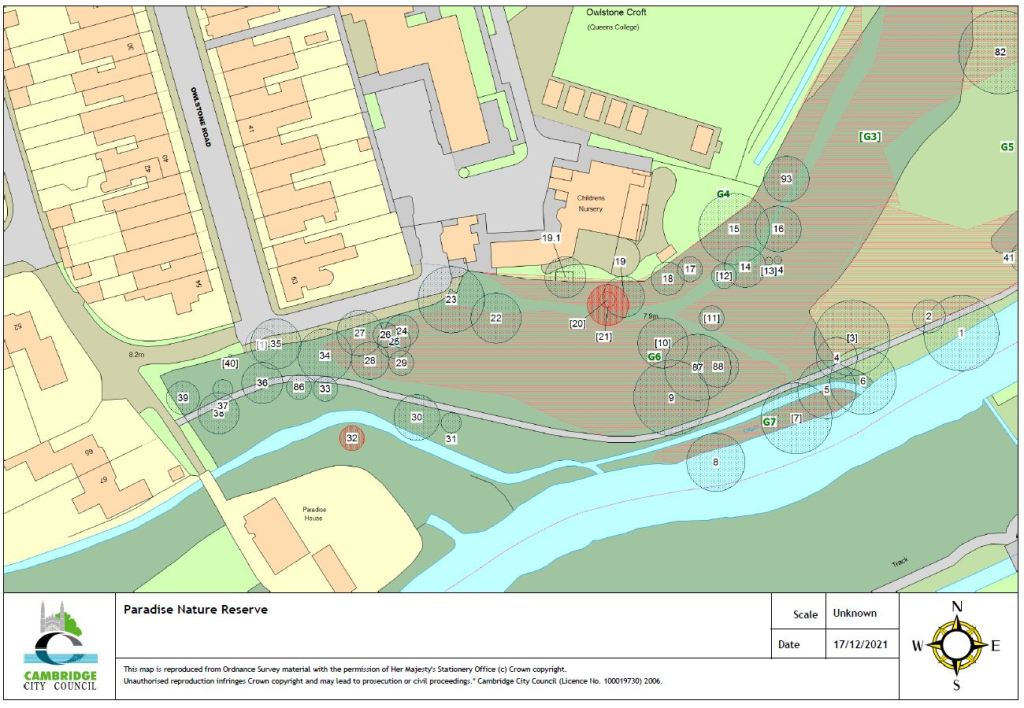
There will be some tree work soon, on a decaying Ash tree (23) opposite Queens’ gates. This is for safety reasons, as it is splitting at the base and beginning to lean over the road (see map). We have asked for TPO protection for another fine Ash tree (19.1) on their boundary, in the light of the proposal to develop the Croft garden for housing. Once actual plans for this have been submitted, we will be able to comment further.
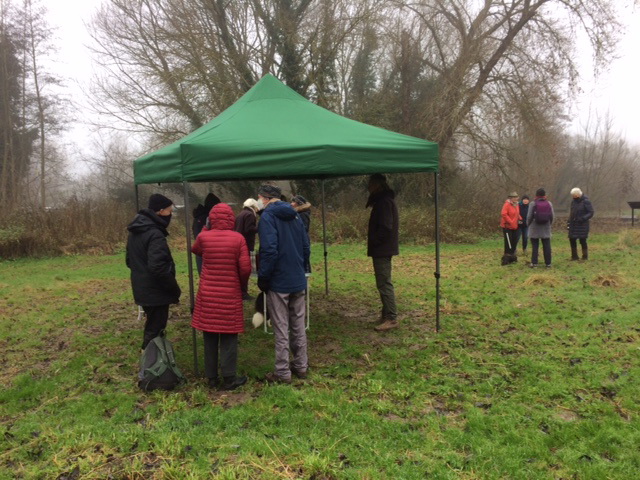
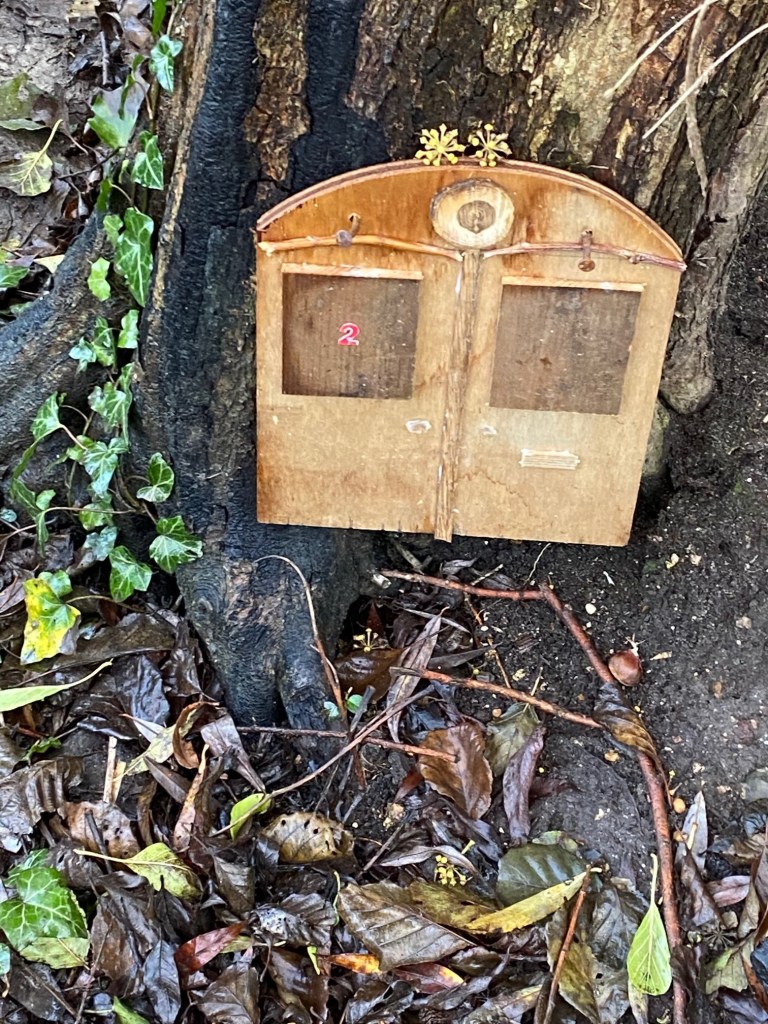
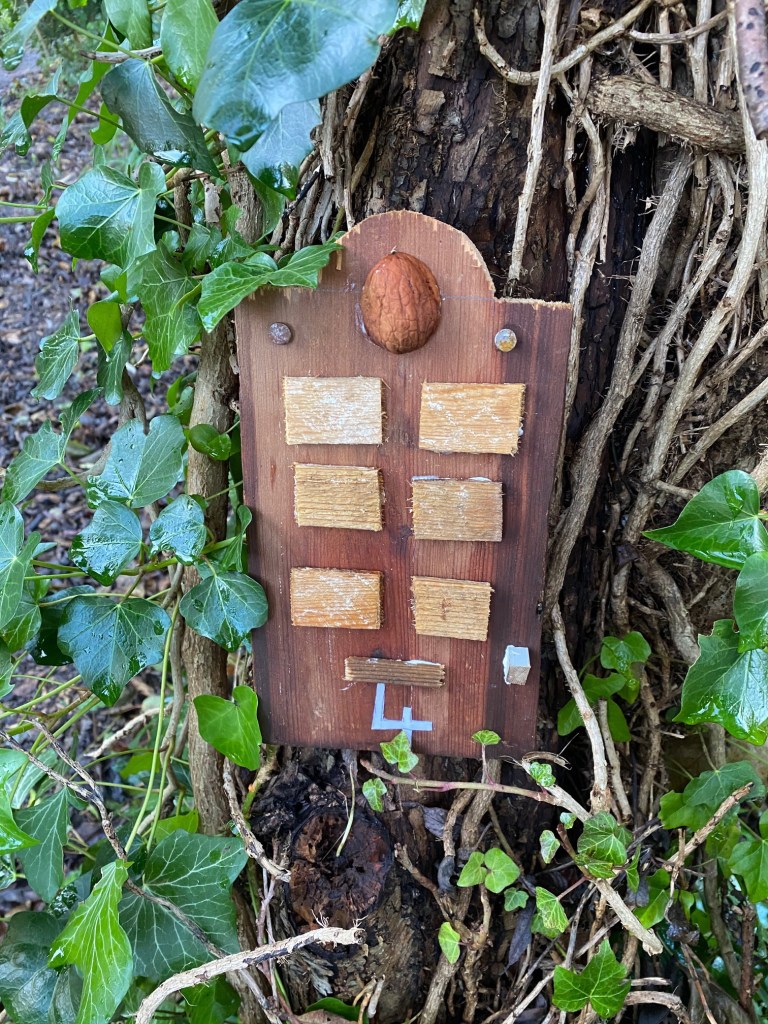
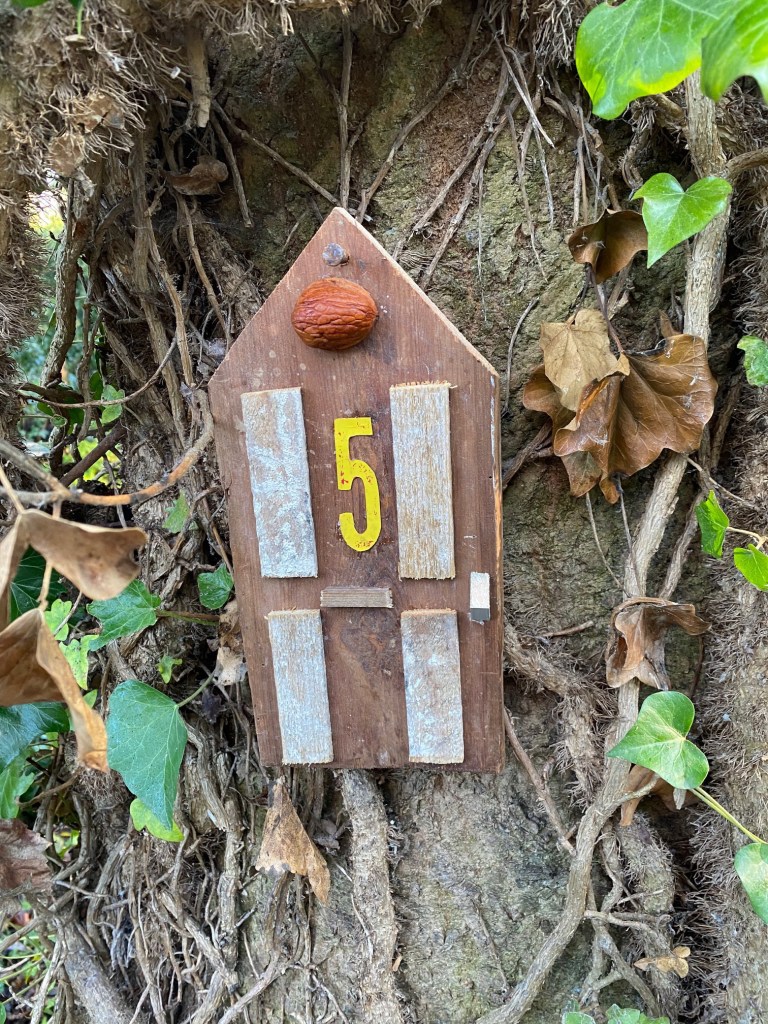
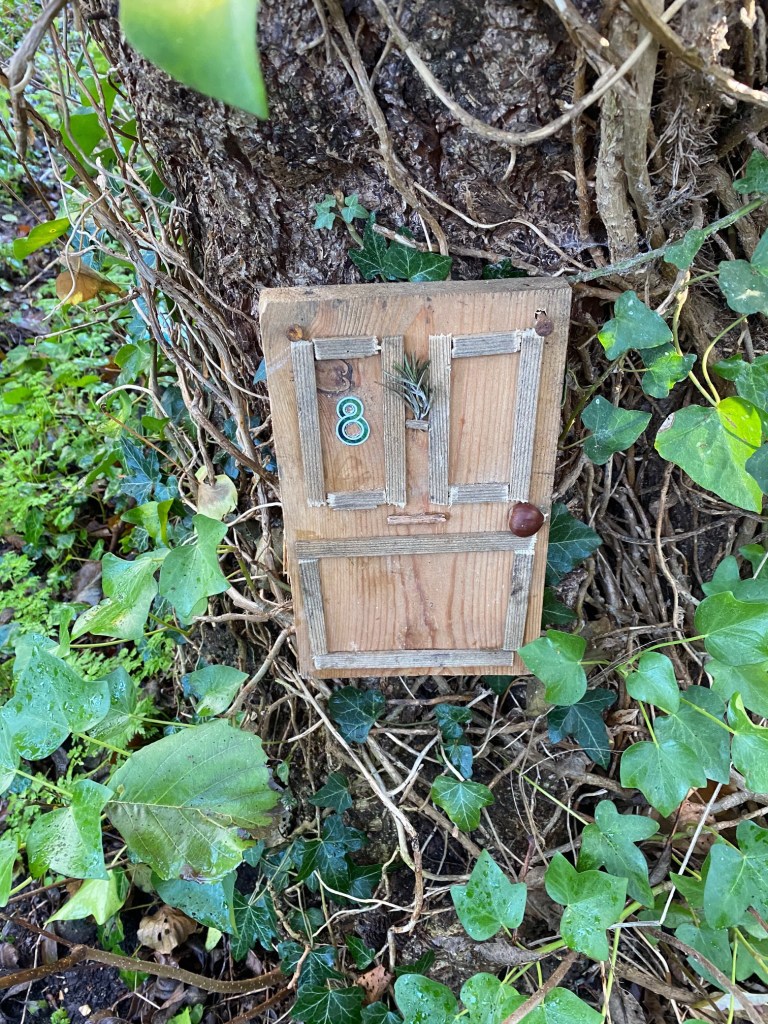
The December Elvery (Tiny Doors Trail in the woodland glade near the Owlstone Road entrance) has magically reappeared. Many thanks to Lizzy, Stella and David for this. Thanks also to David, who has again produced some lovely Paradise greetings cards, with proceeds going towards the new tree planting. The planned Paradise Christmas party had to be cancelled, as meeting in the Social Club would not have been a good idea, with the latest Covid virus figures rising sharply. It was held outdoors instead, in the reserve. In spite of the gloomy weather, lots of people came and chatted. Something we can repeat in better times and better weather!
Elfin Door number 4!Paradise Christmas party December 19th 2021
All best wishes for Christmas and the New Year.
Olwen Williams and the Friends of Paradise Committee olwenw@gmail.com
Snow in June! – but not the cold variety. The willow trees are shedding seed and this drifts everywhere. After a cold wet spring, summer seems to arrived in Paradise at last. A combination of nutrients from winter flooding, rain and now warmth means that we have Nettles on steroids, soon to be more than head-high in places. This has to some extent solved the problem of people and dogs straying off the paths! Meanwhile prominent notices, the removal of the square of big logs and the provision of some netting seem to have helped the bonfire and litter problem.
Sad news for the White Geese. After moving downstream last summer because of disturbance, they returned to their traditional nesting ground on the Triangle this spring. Mating was observed and several eggs were laid. One was seen to be removed by a gentleman early one morning. At least 2 were predated, possibly by fox, or perhaps magpie which are rampant this year. But continual disturbance around the nest site has made it impossible that they will be successful this year, which is the third year they have failed to reproduce. Numbers have fallen from 20-30 down to 7 and being inbred already, this is probably below the point they can survive here. Meanwhile, both Canada and Greylag Geese have large crowds of goslings, having nested on the private ground opposite.
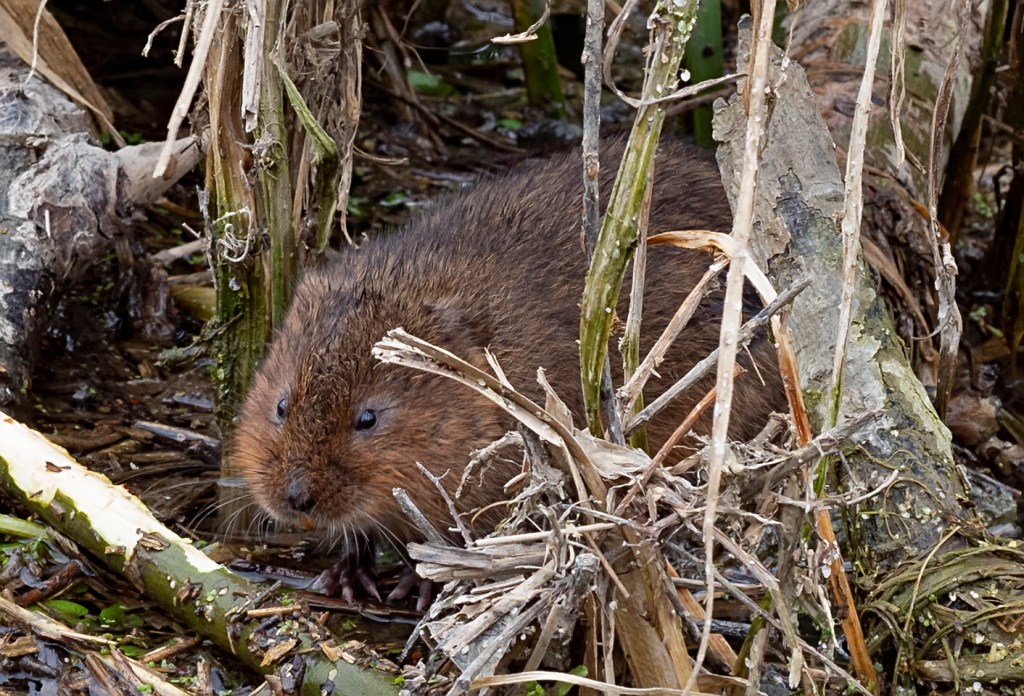
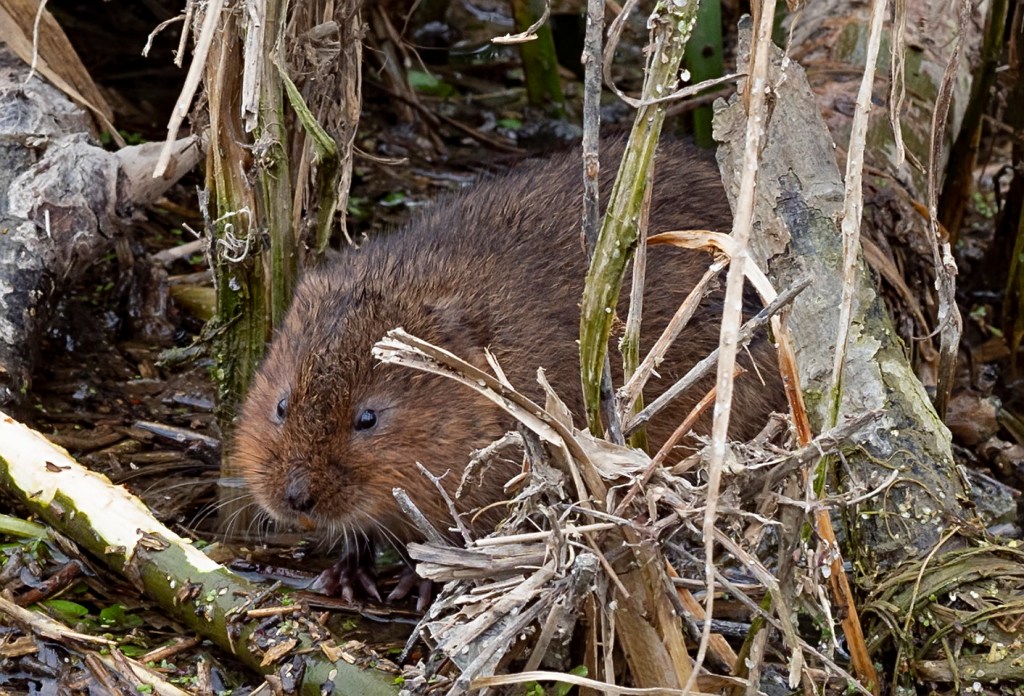
Water Voles are doing rather better and have now extended their range from Snob’s Brook along the main River Cam. Their holes can be seen beside the Leys School jetty and an occasional ripple gives their presence away on the near bank. On the far bank, I saw a Stoat and Moorhen in hot dispute over the contents of her nest. At one point, the stoat swam in the river and finally departed, probably with dinner. But Moorhens are doing well too – there are several families of different aged chicks.
Water Vole on Snobb’s Brook Paul Rule
Just beside the Triangle, I witnessed a confrontation between a parent Moorhen, with two half-grown chicks and a metre-long Grass Snake, taking refuge under the kerb. After about 20 minutes, the birds lost interest, but when the snake sneaked out, the parent pursued it, pecking vigorously until it went across the main river. Then the next day, I saw a much smaller snake sunning itself on a willow tree trunk. I have known they were here, but not seen one for years.
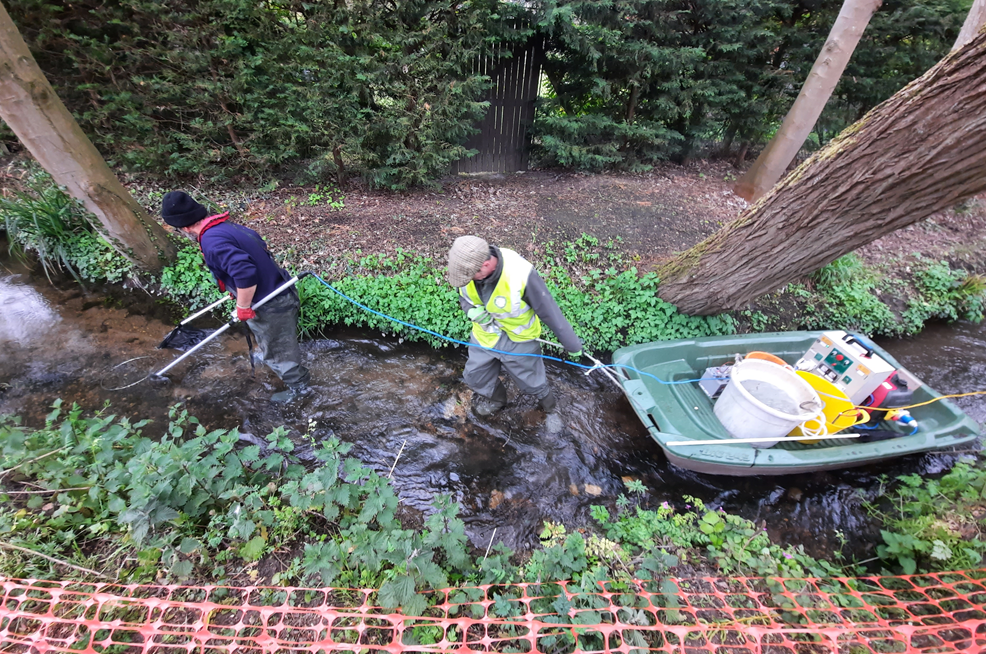
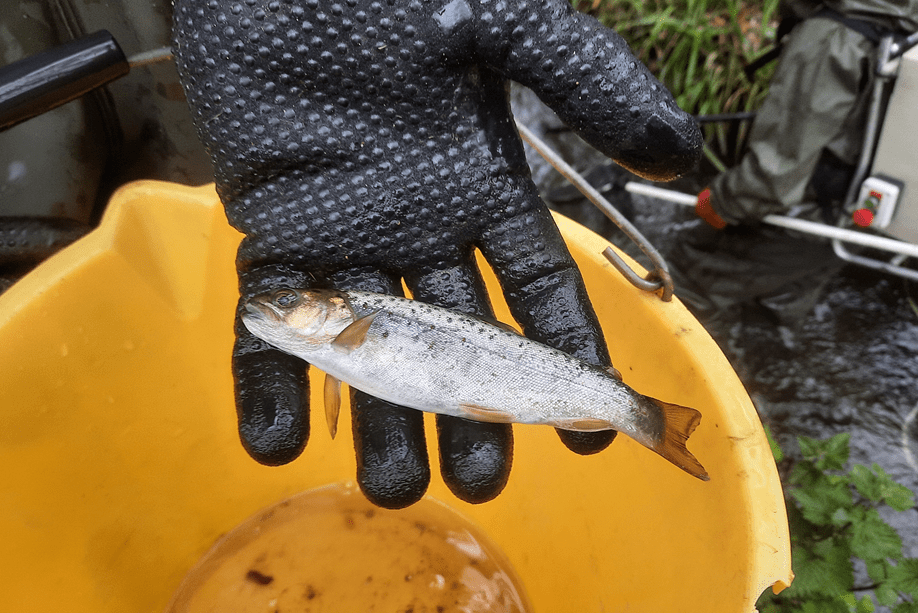
The City Council manage the nature reserves in Newnham and recently organised Electrofishing of Vicar’s Brook: the small stream connecting Hobson’s Conduit to the Cam. It is a chalk stream and the plan is to improve it for Fish, so this was a base-line survey. Ten species were found: Minnow, Stickleback, Gudgeon, Dace, Roach, Stoneloach, Pike Trout, Chubb and Bullhead. They were mainly juveniles, so it is a nursery area in spring. However, 2 small mature Brown Trout and a Jack Pike (small pike) were also found.
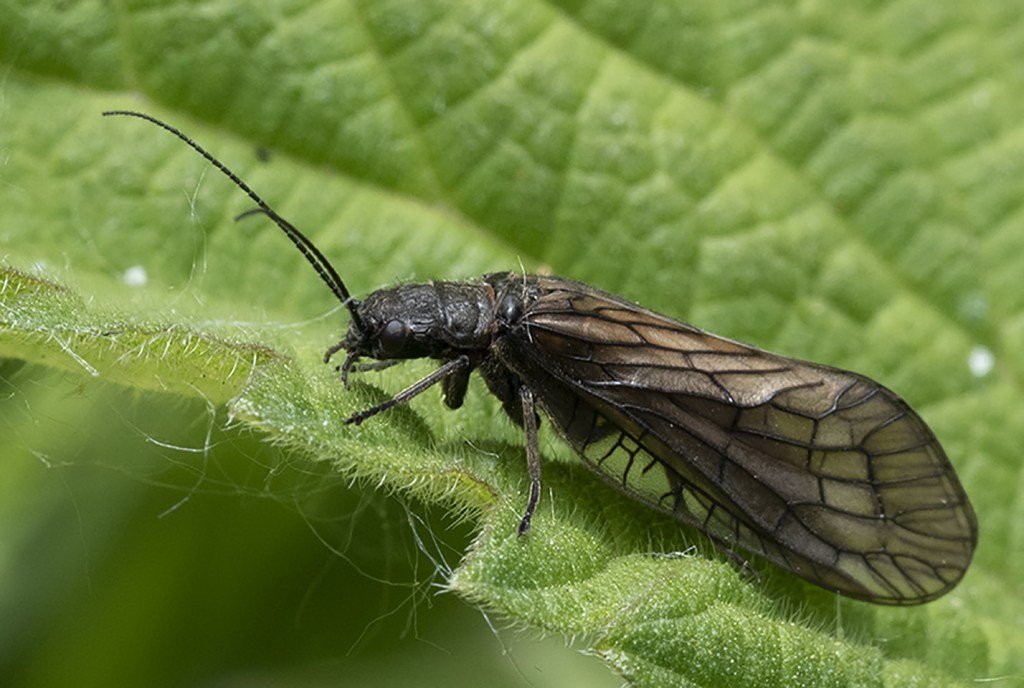
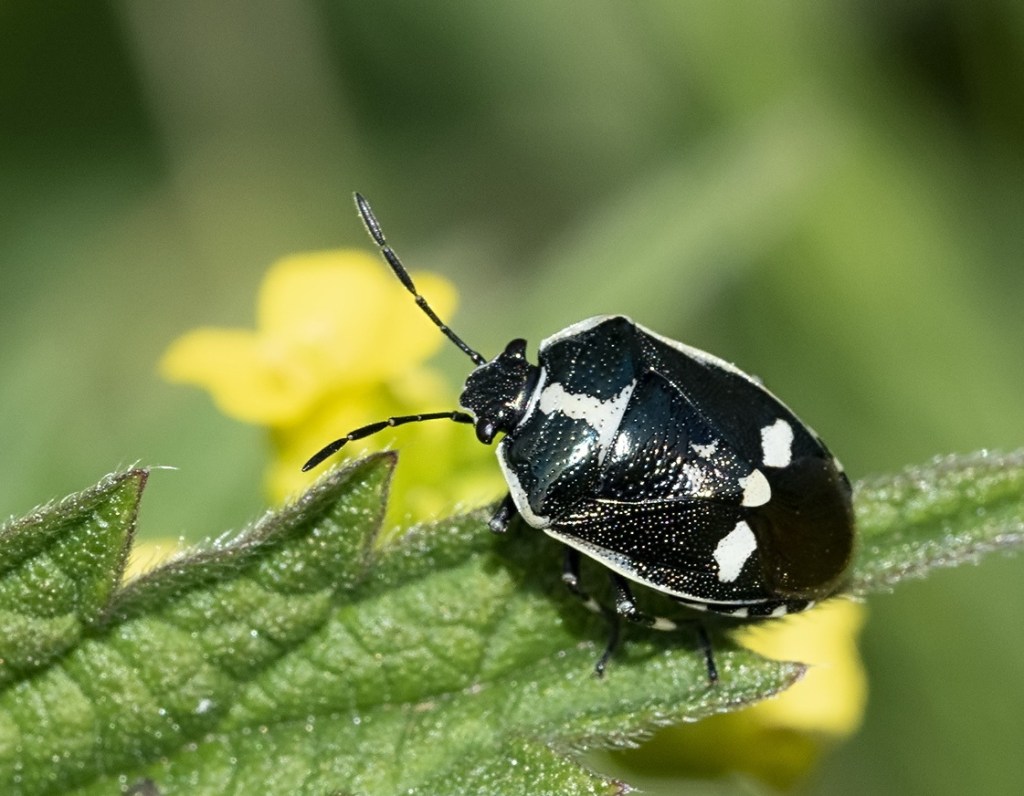
Bird song is much less now that the parents are frantically collecting food for nestlings. Two rival Song Thrushes are holding territory, but most others are too busy to sing. A Cuckoo was heard calling over several days. An late evening clatter this week turned out to be a crowd of small birds, including Blackbirds, mobbing a female Tawny Owl which was calling from Paradise Island. At last, there are increasing numbers of insects, including Aphids and Mayflies. These pictures were all taken in the reserve.
14-Spot Ladybird Paul Rule
Alderfly Paul Rule
Brassica Bug Paul Rule
The three Black Poplar trees which were planted this year are all doing well. They were funded by money given in gratitude for the reserve during lockdown. Paradise and the surrounding nature reserves of Sheep’s Green and Coe Fen continue to be hugely popular with visitors, both on foot and on the river. In spite of this pressure, a walk through is always enjoyable. We are lucky to live near to such a wonderful place.
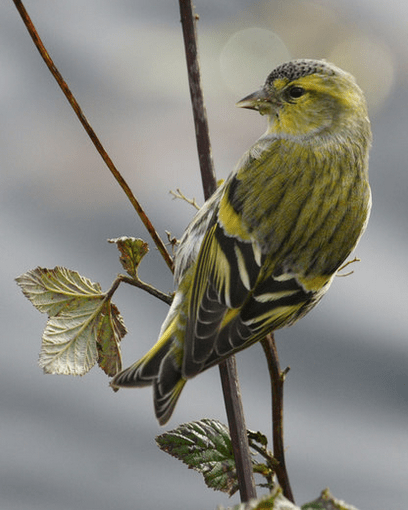
It has been a lovely lingering spring, the cold nights ensuring a prolonged blossom time. Bumble Bees and a few Butterflies have emerged, though insect life is still slow to start. The winter birds have gone – the Rooks departing to their nesting sites and most of the Jackdaws also disappeared. Siskin were seen in the colder months: these are small yellowish finches, which are resident UK breeders and most numerous in Scotland and Wales. In winter, however, birds also arrive here from Europe. They love the Alder catkins in the reserve.
Siskin (Wikimedia Commons)
Spring migrants arrived in late March and early April. As you enter from the Owlstone Rd end, Blackcaps are singing and can be seen sitting on the tops of low trees, defending territory. Chiffchaffs are everywhere and I was delighted to hear, and then see a Willow Warbler. I think he was just passing through – they are not common summer residents here and I have not heard him since. Another recent treat was the sight of a pair of Treecreepers, working their way up a large willow trunk.
Mallard Ducklings and Moorhens have appeared in the last week too. There are a lot of big Pike in the river here, so mortality rates will be high on the river. No Cygnets yet – I am not sure where Swans are nesting this year. I get the impression that Heron numbers are down and sadly there are no singing Song Thrushes this year.
There are seven remaining White Feral Geese, from a flock that once numbered more than 20 and nested on the Triangle opposite Paradise. In the last few years, there have been no Goslings and recently they deserted this area and went further downstream on to Coe Fen. However, instinct is strong – I see they are now back on the Triangle, but I fear the disturbance here will again prevent successful breeding.
Water Voles can be seen occasionally in Snob’s Brook (the mill stream below the first bridge) and today I was told of one in the main River Cam by Paradise. There is evidence of Otters too, lower down on Sheep’s Green, by the Granta Mill Pond. There were some large fish scales and a dead Bream on the bank. Bats have emerged from hibernation and are flying again – Paradise can claim an impressive eight species. These were probably either Common or Soprano Pipistrelles.
Water Vole in Snob’s Brook March 2021 Paul Rule
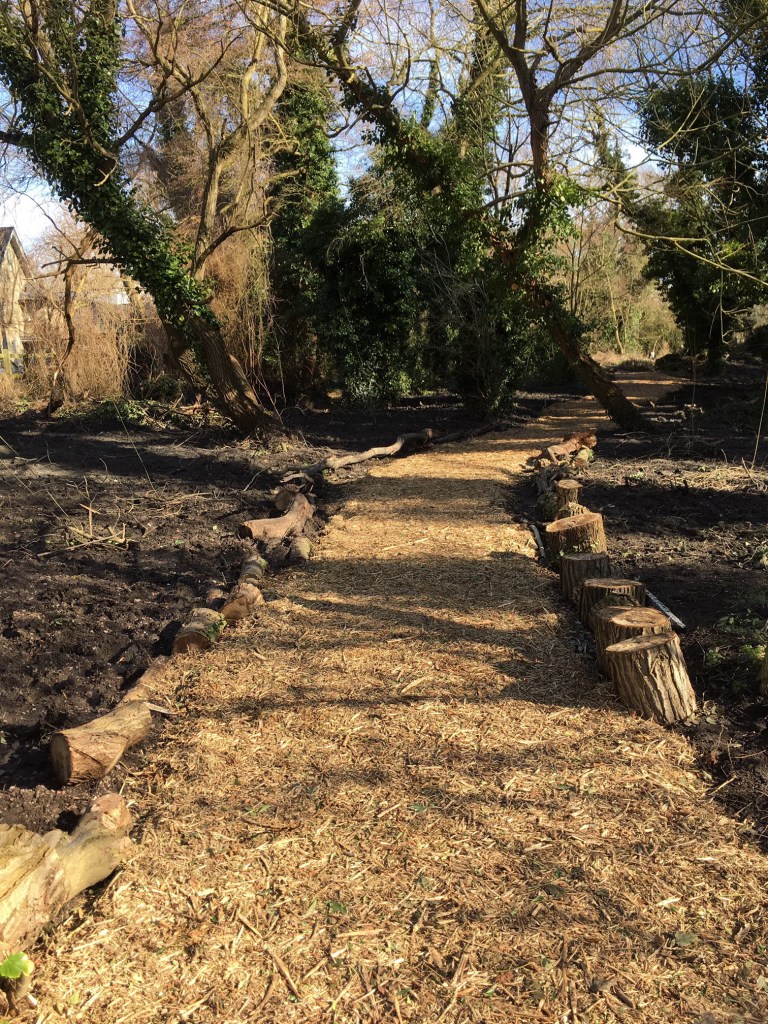
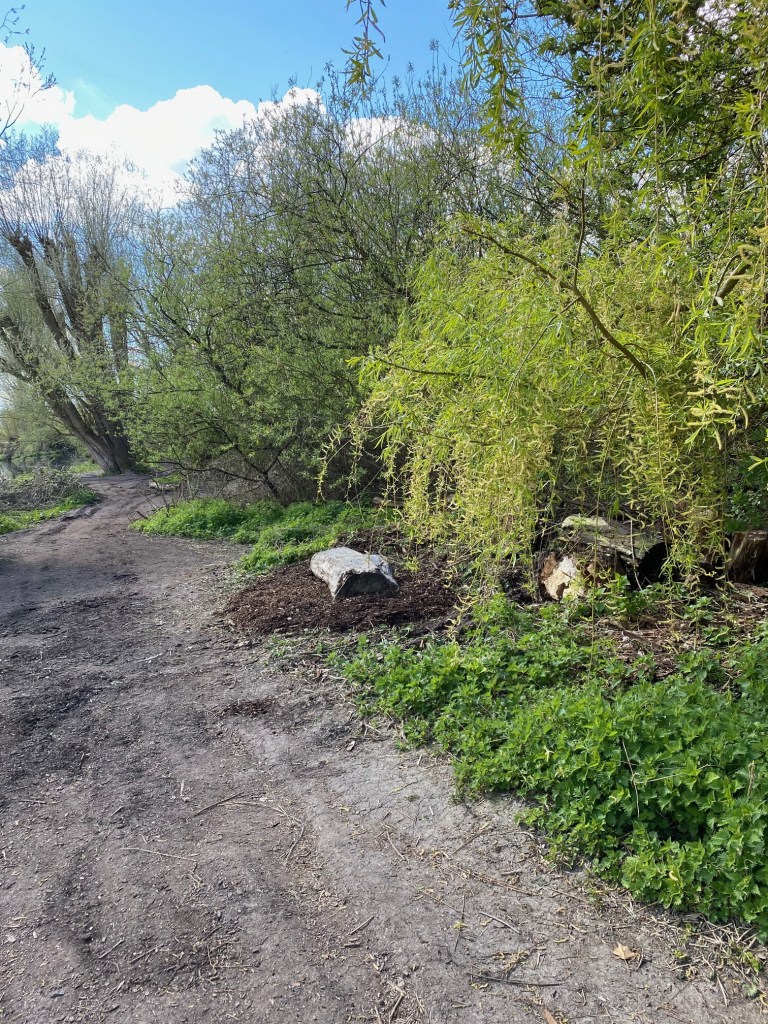
Vic (City Ecologist) has been very busy last week, with measures to reduce the width of the riverbank path. Because of the winter flooding and consequent mud, the paths had become ever wider as people looked for firm footing. Small willow saplings have been planted and logs laid to mark the edges. She also moved the four big logs, which had become the focus for nocturnal partying, with big fires and massive litter. These have been replaced singly, so still fulfilling their original purpose. With the help of Conservation Volunteers and a volunteer work party from Carter Jonas, wood chips have been laid along the riverbank path and the area of Butterbur was weeded. Many thanks to all.
New notices at each gate request that dogs are kept on a leash. Today, I saw two Muntjac Deer quite close to the path. Loose dogs chasing the deer risk injury from their sharp tusks and will also disturb nesting birds. Many thanks to all who regularly pick up litter. Most visitors are appreciative of the beauty and tranquillity of the reserve and just at the moment, it is looking its very best.
After the Mud! Riverbank Path restored with wood chips and a picnic log in its new site. Pam Gatrell
The recently posted piece regarding memories of Paradise was quite intriguing, so I trawled through my childhood recollections of the area.
Having been born in Newnham during the war, my memories of independent life spent around Paradise don’t really begin until the early to mid 50s and the first thing to say is that we never called it Paradise, but “The Island”. Once I graduated in 1964, I left Cambridge and to the best of my knowledge we still called it The Island then, quite when the rather romantic Paradise name came along, I know not.
Why “The Island”? Well, if you envisage the first riverside boardwalk you come to from the Grantchester Meadows end and look to your right, you will see a muddy ditch separating an “island” from the “mainland”. That was our Island and many bridges were built over the years to facilitate access, because in those days that muddy ditch was a proper stream.
Health and Safety was an unknown concept in the 50s, so The Island was the site of various camps, dens and (heavenly!) bonfires. It was also the launch site for a number of extremely rickety rafts; how we would have welcomed today’s 2 litre pop bottles to provide buoyancy! Largely unsuccessful fishing also took place.
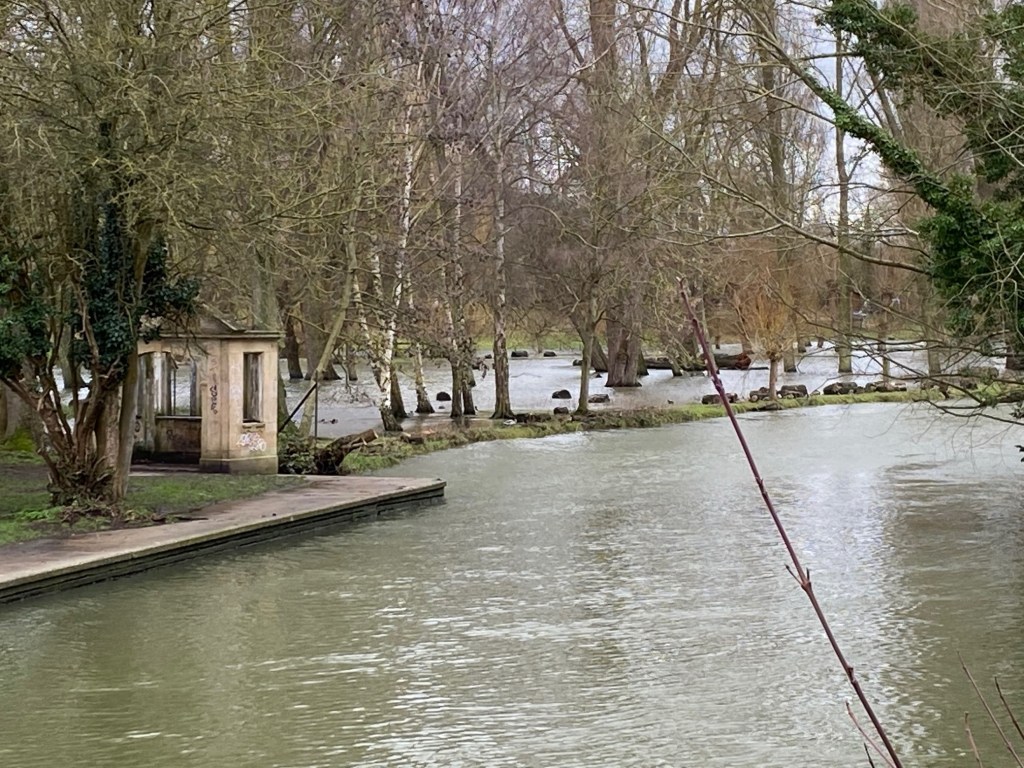
Corner of the Women’s Bathing Place and Hodson’s Folly in recent floods
The rest of the area was a true wilderness with just the two paths that we have today – by the riverside and adjacent to Owlstone Croft. One oddity, which seems to have completely disappeared, was a hard tennis court; this stood just to the river side of the upper path roughly at the junction of Owlstone Croft and the School. Back then there was just the weed-ridden playing surface, the two uprights for the net and the chain-link fence around the court. I can find no vestige of this today at all.
Back then the river was regularly dredged and the spoil was spread over the area, great fun for kids to watch being done! It should be remembered that there were council run and manned swimming places – Boys, Girls, Men and Women. The Girls and Women shared the land across the river from the (now) Car Park and the Girls (shallower) section was in fact that stretch. (The Boys being the other side of the footbridge, with the sheds (known as The Snobs) standing roughly where the toilet is now.) After dredging, gravel was spread on the river bed to make it more acceptable as a bathing area.
There were other bathing areas too, for the Perse Boys, Perse Girls and the City Police Force!
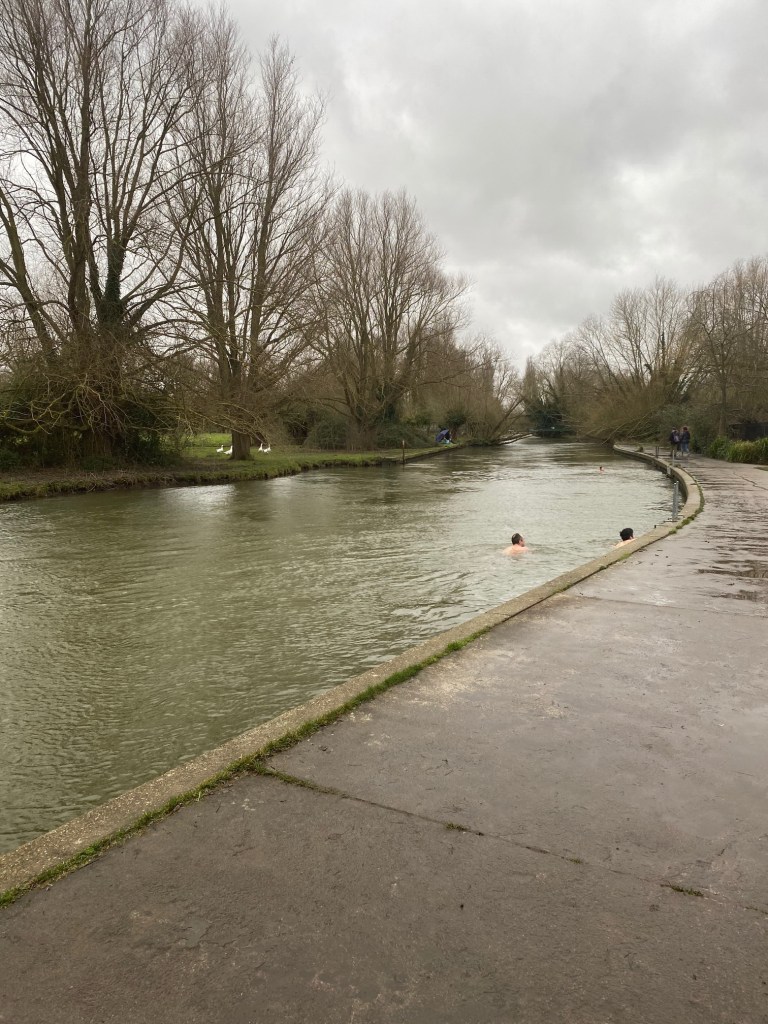
Swimming in January
(As an aside, I find it very sad to see the mill stream – Snobs Brook -that leads to the Millworks restaurant, clogged with weed and rapidly becoming a ditch.)
As far as the area being some sort of rubbish dump – well, this must have happened post 1964. Perhaps my memories are being viewed through rose tinted spectacles, but I did check with a couple of other people with memories of the area, one of whom had trained as a nurse at Owlstone Croft. Around that time I guess Newnham was becoming transformed from a very mixed demographic to largely middle class. The 50s and 60s were not times of conspicuous consumption, austerity reigned and maybe people could not afford to throw things away – they had to last!
When I visited Paradise a few days ago before writing this, it was frosty, the skies were clear and blue, but there was a big difference from 60+ years ago; the noise. There was a constant drone in the air from the traffic on the M11. Any traffic noise back then came largely from the steam trains chuffing and whistling – ah, those were the days!
Winding the clock forward to the present and considering the state of the paths, I just wonder if (The Island) Paradise has become a victim of its own success, attracting more visitors? I realise that it is a nature reserve and appreciate the potential eco benefits of spreading “home grown” wood chips on the paths. These wood chips decompose quite rapidly and the soggy state of the paths today owes quite a lot to this.
Reading an article about the reclaiming of a toxic waste dump*, I recalled that when we moved to Owlstone Rd in 1972, the open area at the end of the road was referred to as The Dump. It was commonly used by the neighbourhood for dumping unwanted garden waste, including autumn leaves, weeds, Christmas trees, prunings, dead shrubs, wood, stones, and unfortunately also things like bricks, old gates, bikes, pots and any old garden rubbish. It was an unsightly mess, though nothing like the toxic dump described in this article. Gradually it was rescued and transformed to join the wild beauty enjoyed by the rest of Paradise Nature Reserve. In this, it was greatly helped by Lisbet Gershewitch from No. 54 (I think she planted the snowdrops) and other environmentally minded neighbours. She and Margaret Knight from No. 52 had campaigned earlier on against building development.
January 2021 Mud
Anita
As I understand it ‘Paradise’ got its name for being the exact opposite, someone’s sarcastic nickname for the area. I don’t know how far back the name goes, but it did used to be a quite unsavoury place… not just the boggy stinking land, but the activities and waste that was left behind… Only the front path by the river was regularly used by nature loving mortals and dog walkers. It was such a narrow exciting path, with a mystery around every corner, the cow parsley bent over and brushed your legs as you went along, we jumped over the nettles or pushed them out of the way with sticks. We stayed away from the back path and hidden middle bit.
Pam
The area became a beautiful entrance to the reserve and it’s why we were outraged when bulldozers and diggers ravaged it and deposited a deep layer of silt from the cut a few years ago, just before Friends of Paradise was set up. Nature has recovered and the snowdrops are returning. The little tree glade had 8 tiny doors during December, 2020, which entranced many small children as they wandered the paths there. It’s an area where Vic Smith is keen to increase plant biodiversity and where the donated Black Poplar tree is due to be planted in February.
January 2021 Flooding
Anita
So a lot has changed, the mystery exists in only a few tucked away places, but the back path with the duckboards has made the area significantly less appealing to those who are not there for a walk, or for the nature… it has opened up the accessibility, in all but the most severe flooding. Regrettably the river path has become the ‘motorway route’ to Grantchester and the Meadows and unless you are wearing stout waterproof boots, it is currently totally impassable due to mud.
I think once social distancing is over, we should close the river path for an extended period to give it time to recover. The path is now as wide as the gaps between the trees, and some… or maybe lay some of that rigid plastic ‘grass-stabilising grid’, to re-establish a metre wide path and gently fence off the edges, a bit like the efforts near ‘Skaters Meadow’s to help the vegetation recover.
‘Paradise’ now aptly named, will never be as it was before, there is good and bad in that, but all its areas should be considered an evolving environment, that can be improved or degraded depending on how it is treated. We need to work to maintain improvements.
Pam
With best wishes for the future of our local Paradise and for you all in 2021.
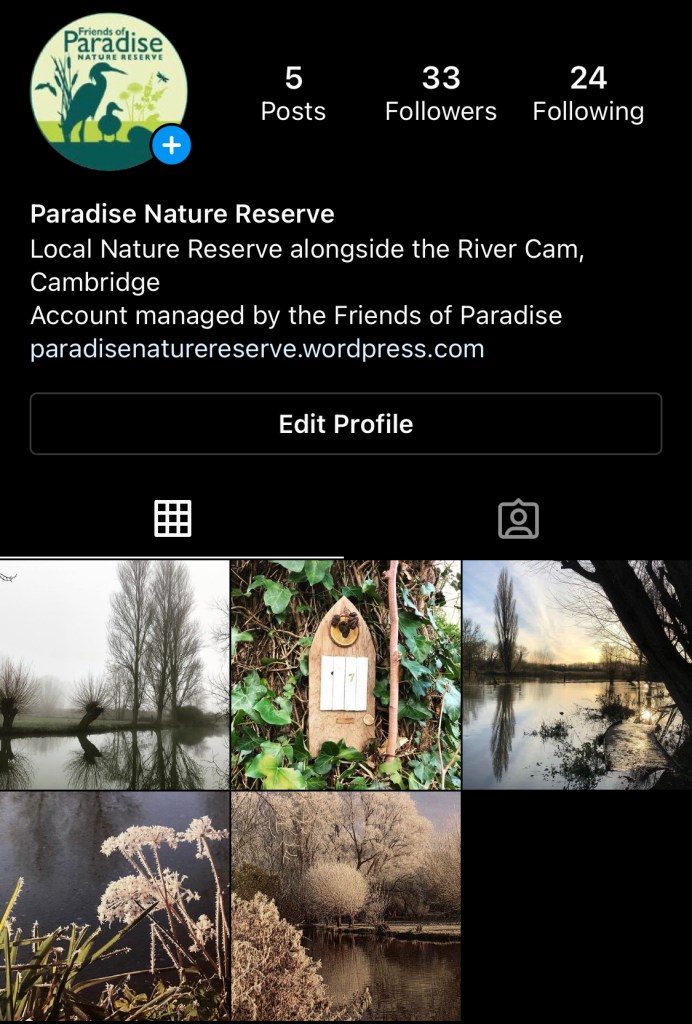
The Friends of Paradise are now on Instagram! Follow the account by searching for @ paradisenaturereserve on the app, or follow this link https://instagram.com/paradisenaturereserve?igshid=rfyj9e8gf9c7 to see weekly updates about the nature reserve (the monthly email updates will still be sent out). Bear in mind that this will require you to have your own Instagram account.
Wet, wet, wet! And muddy!! At times, it was wellies only, with a stream flowing from the central swamp across the riverbank path and into the main river. But at the same time, it’s been mostly very mild (apart from the day we woke to an inch of snow). So leaves stay green, flowers bloom and remarkably the birds are singing a spring song. From about 20th, Song Thrushes could be heard in the early morning, joined later by Great Tits, Blue Tits and on 21st – the shortest day – a breakfast time special: the first drumming of a Great Spotted Woodpecker. In my garden, the resident Blackbird had been murmuring and muttering for a while, but then in full song, brief but wonderful. In the back garden, a Dunnock has got used to the fact that I am there for breakfast, with cat on knee, and comes to feed at the seed feeder. Flocks of mixed Tits cruise through, Long Tailed and Blue Tits, with a Coal Tit on one occasion.
One of the Friends of Paradise, in gratitude for the pleasure the reserve has given her throughout 2020, has donated a Black Poplar tree – to be planted near the Owlstone Rd entrance in the Snowdrop area. Black Poplars are rare, but they become magnificent trees and grow quickly.
Also at that end, is evidence of even rarer wildlife – an Elvery. Eight little front doors have appeared in a grotto just off the main path – mainly at toddler height – thanks to David and Stella Tranah for this seasonal treat.
Tawny Owls are about – one night I heard both female (Toowit) and male (Twhoo). Andrew and Janet, at the far end of Grantchester Meadows, found one roosting on their window sill.
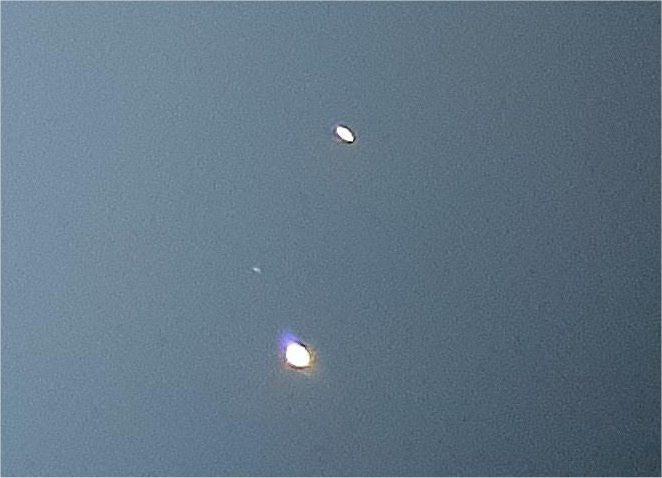
On 21st, the Conjunction of the bright planets Jupiter and Saturn could be seen, low in the evening sky in the south-west as twilight descends in the evening. I did not manage to get a clear view, sadly, but this picture was taken in Soham by a friend.
Although the planets appear very close together, the distance between them is actually over four times the distance between the Earth and the Sun. This is a rare event!
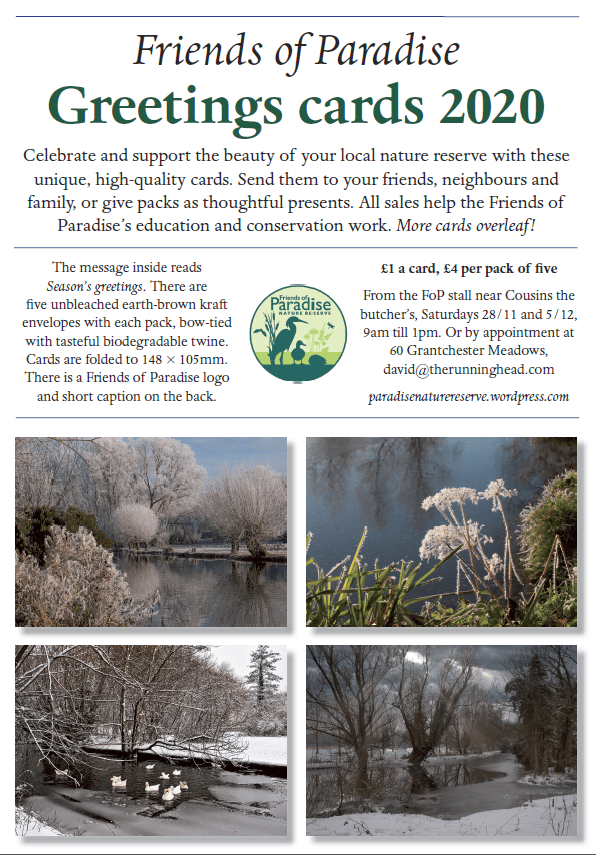
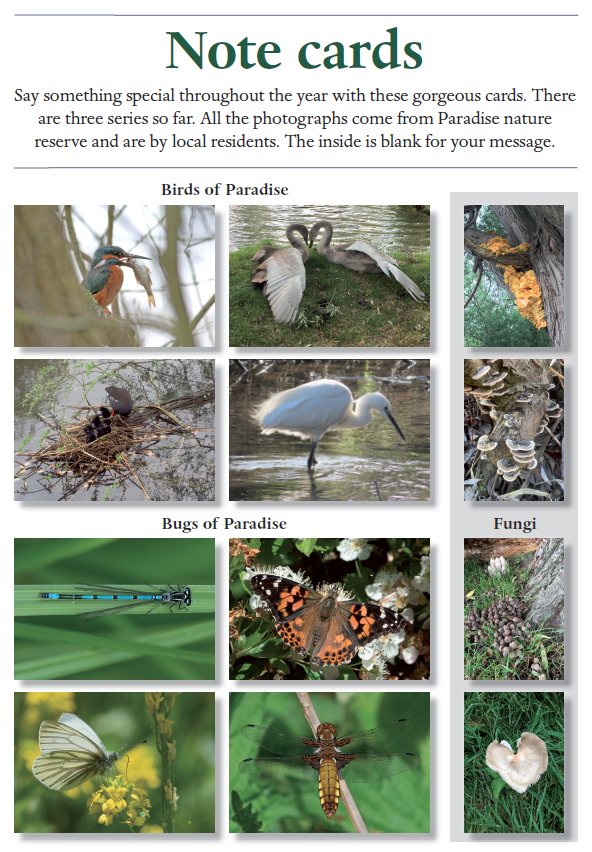
We are again grateful to David Williams for this year’s cards. See below for details. PLEASE note that they will be on sale on Dec 5th but NOT on Nov 28th due to lockdown.











 Friends of Paradise Nature Reserve
You must be logged in to post a comment.