We’re pleased to say that two new species of bat have recently been confirmed in Paradise, bringing the total to 8. These are 6 Nathuseus’ Pipistrelle and Barbastelle bats.
Nathusius’ pipistrelle is a rare bat in the UK, though records have increased in recent years. It is a migratory species, and most bats are encountered in autumn, although some do remain all year and breed in the UK.
It is similar in appearance to, but slightly larger than, the much more commonly found common and soprano pipistrelles, and the fur on its back is longer, sometimes giving a shaggy appearance. Head & body length: 46mm – 55mm; Forearm length: 32mm – 38mm; Wingspan: 228mm – 250mm; Weight: 6g – 16g. Colour: Fur reddish-brown, occasionally with frosted tips on the belly. The ears, membranes and face are usually very dark. Nathusius’ pipistrelle feeds on medium-sized flying insects such as aquatic flies, midges, mosquitoes and caddis flies.
The scientific name of the Nathusius’ pipistrelle is Pipistrellus nathusii.
Source: Bat Conservation Trust: https://www.bats.org.uk/about-bats/what-are-bats/uk-bats/nathusius-pipistrelle
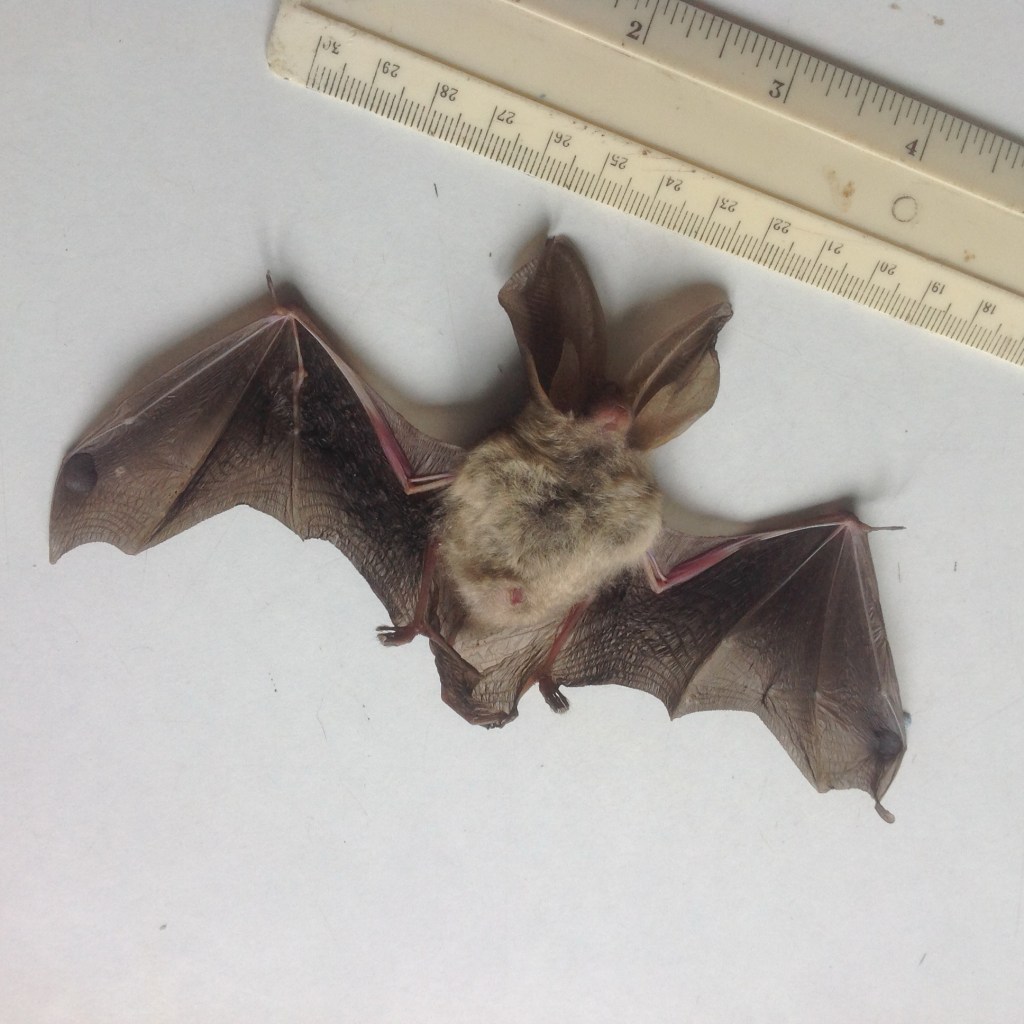
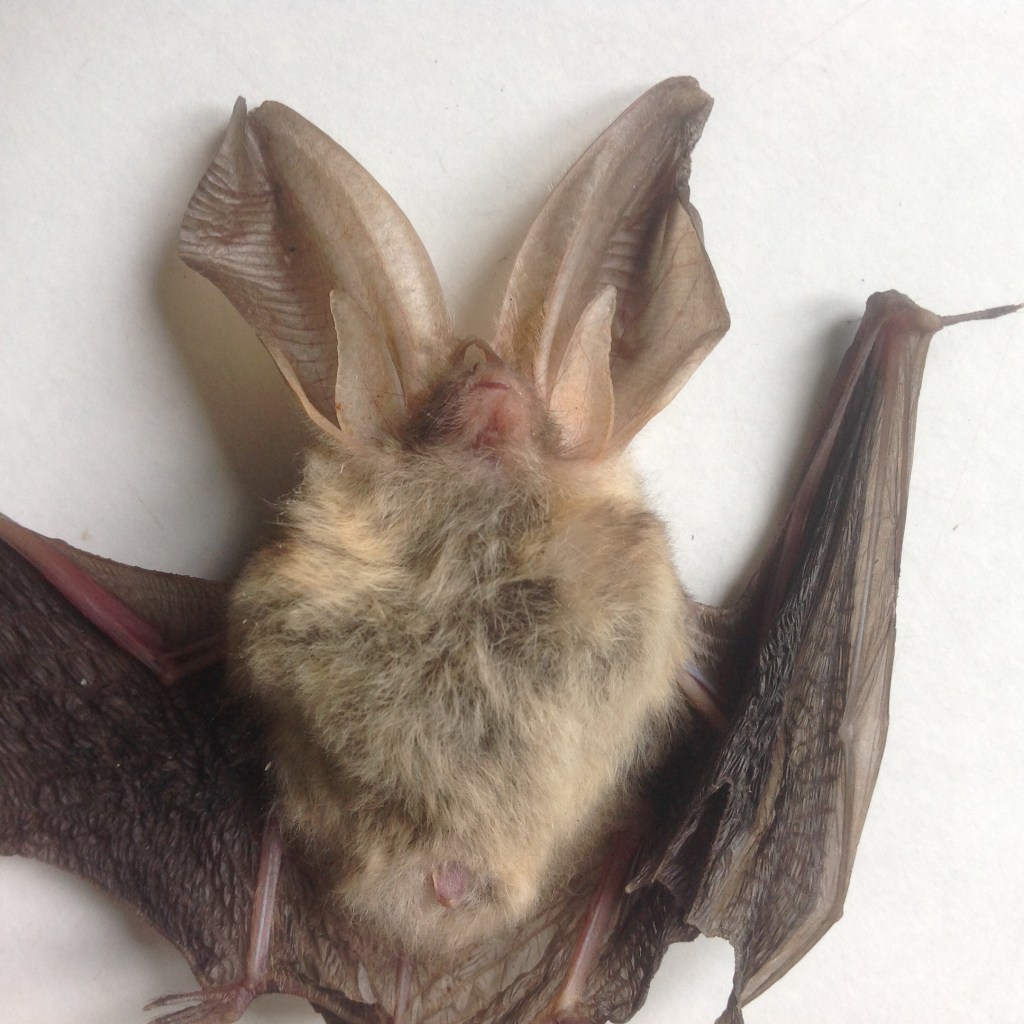
The barbastelle is a scarce bat that lives in woodland and forages over a wide area. It has a distinctive ‘pug-like’ appearance because of its upturned nose. Length: 4-5.5cm; Wingspan: 26-29cm; Weight: 6-13g; Average lifespan: up to 23 years.
The barbastelle has long and silky fur that is blackish-brown in colour, but with white tips. It has rounded ears that meet on the forehead, and a short, upturned nose, giving it a pug-like appearance.
An elusive bat, the barbastelle lives in woodland and roosts in crevices in trees. All UK bats are nocturnal, feeding on midges, moths and other flying insects that they find in the dark by using echolocation. Barbastelles forage over a variety of habitats and are fast and agile fliers. They mate in autumn, hibernate over the winter (usually underground), and give birth to a single pup in summer.
The scientific name Barbastella comes from the Latin for ‘star beard’ and is a reference to the white tips present on the barbastelle’s fur.
Source: The Wildlife Trusts https://www.wildlifetrusts.org/wildlife-explorer/mammals/barbastelle-bat
 Friends of Paradise Nature Reserve
You must be logged in to post a comment.