
Snow in June! – but not the cold variety. The willow trees are shedding seed and this drifts everywhere. After a cold wet spring, summer seems to arrived in Paradise at last. A combination of nutrients from winter flooding, rain and now warmth means that we have Nettles on steroids, soon to be more than head-high in places. This has to some extent solved the problem of people and dogs straying off the paths! Meanwhile prominent notices, the removal of the square of big logs and the provision of some netting seem to have helped the bonfire and litter problem.
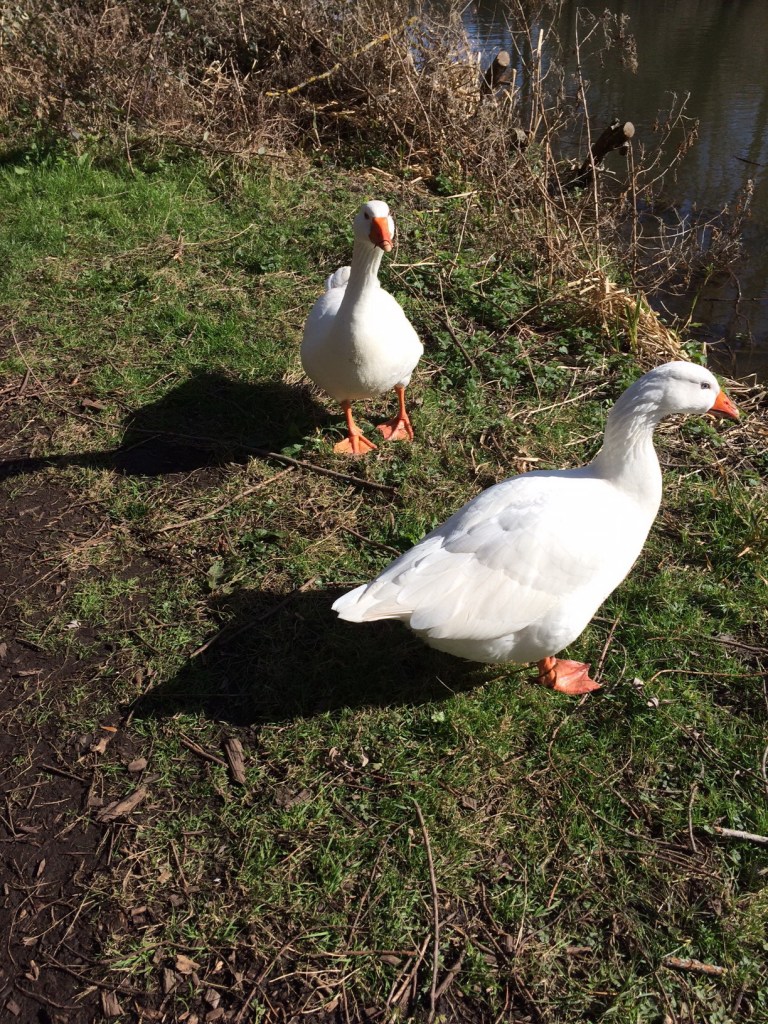
Sad news for the White Geese. After moving downstream last summer because of disturbance, they returned to their traditional nesting ground on the Triangle this spring. Mating was observed and several eggs were laid. One was seen to be removed by a gentleman early one morning. At least 2 were predated, possibly by fox, or perhaps magpie which are rampant this year. But continual disturbance around the nest site has made it impossible that they will be successful this year, which is the third year they have failed to reproduce. Numbers have fallen from 20-30 down to 7 and being inbred already, this is probably below the point they can survive here. Meanwhile, both Canada and Greylag Geese have large crowds of goslings, having nested on the private ground opposite.
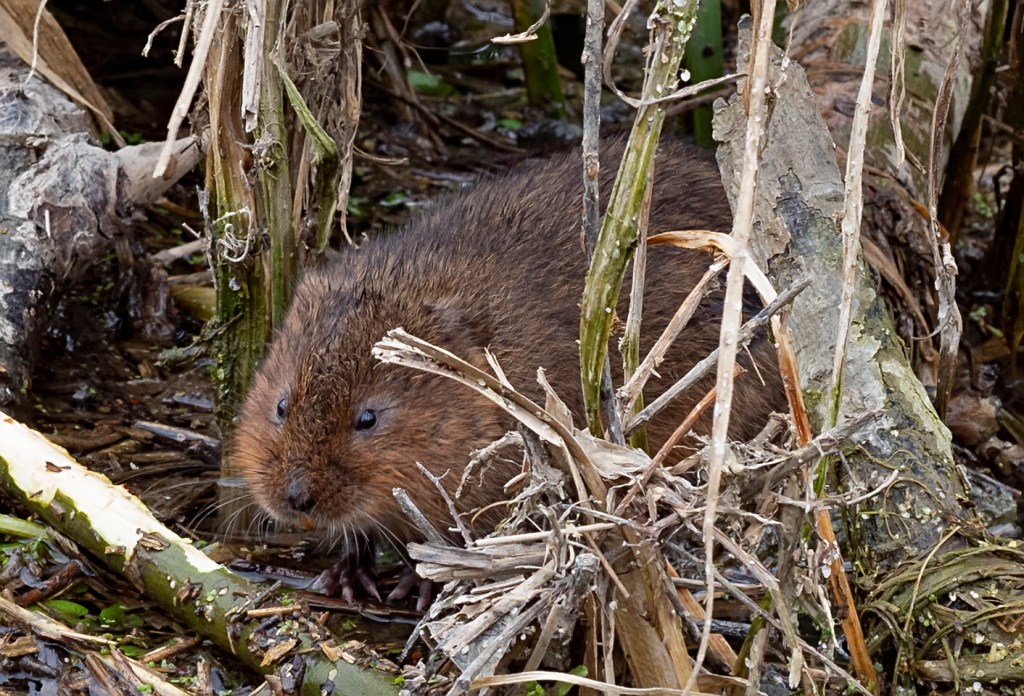
Water Voles are doing rather better and have now extended their range from Snob’s Brook along the main River Cam. Their holes can be seen beside the Leys School jetty and an occasional ripple gives their presence away on the near bank. On the far bank, I saw a Stoat and Moorhen in hot dispute over the contents of her nest. At one point, the stoat swam in the river and finally departed, probably with dinner. But Moorhens are doing well too – there are several families of different aged chicks.
Just beside the Triangle, I witnessed a confrontation between a parent Moorhen, with two half-grown chicks and a metre-long Grass Snake, taking refuge under the kerb. After about 20 minutes, the birds lost interest, but when the snake sneaked out, the parent pursued it, pecking vigorously until it went across the main river. Then the next day, I saw a much smaller snake sunning itself on a willow tree trunk. I have known they were here, but not seen one for years.

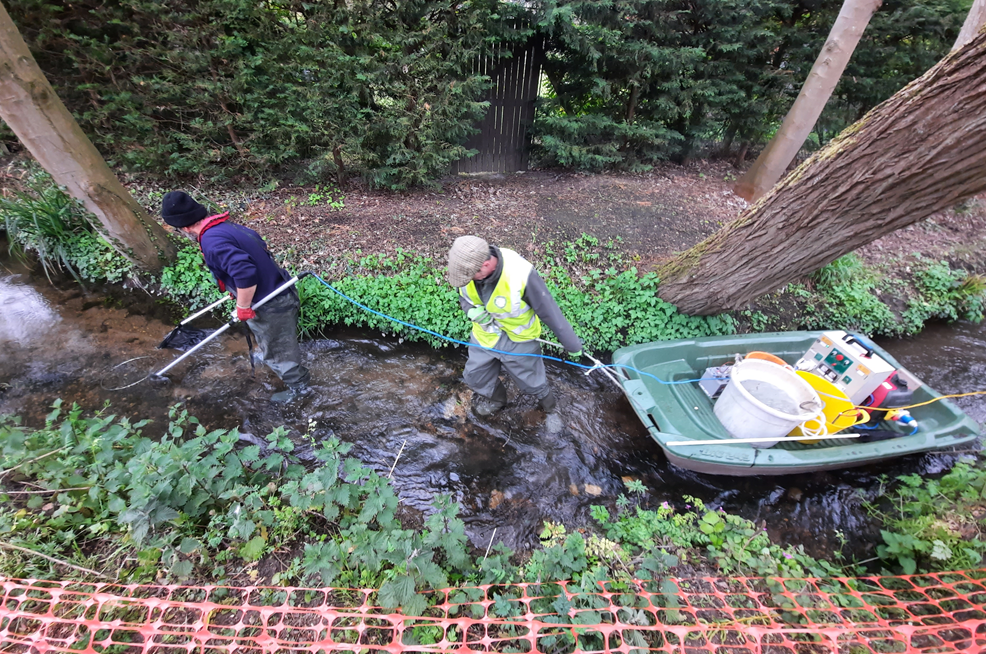
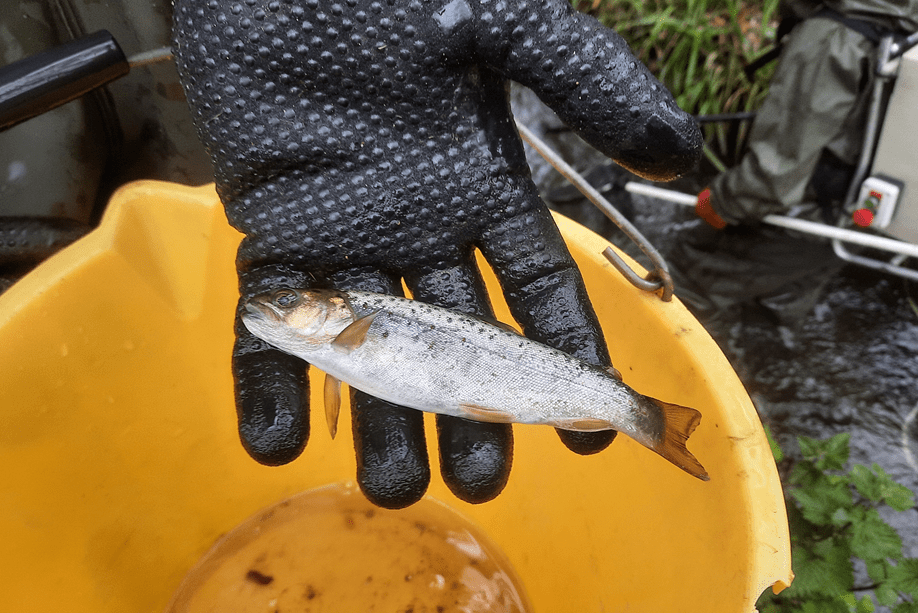
The City Council manage the nature reserves in Newnham and recently organised Electrofishing of Vicar’s Brook: the small stream connecting Hobson’s Conduit to the Cam. It is a chalk stream and the plan is to improve it for Fish, so this was a base-line survey. Ten species were found: Minnow, Stickleback, Gudgeon, Dace, Roach, Stoneloach, Pike Trout, Chubb and Bullhead. They were mainly juveniles, so it is a nursery area in spring. However, 2 small mature Brown Trout and a Jack Pike (small pike) were also found.
Bird song is much less now that the parents are frantically collecting food for nestlings. Two rival Song Thrushes are holding territory, but most others are too busy to sing. A Cuckoo was heard calling over several days. An late evening clatter this week turned out to be a crowd of small birds, including Blackbirds, mobbing a female Tawny Owl which was calling from Paradise Island. At last, there are increasing numbers of insects, including Aphids and Mayflies. These pictures were all taken in the reserve.

14-Spot Ladybird Paul Rule 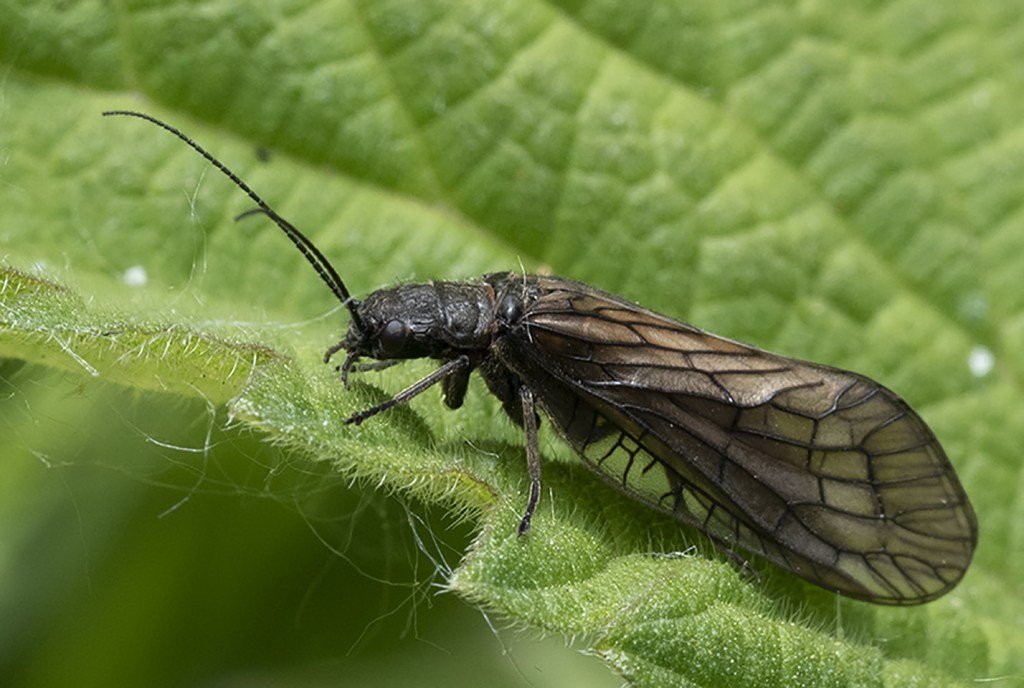
Alderfly Paul Rule 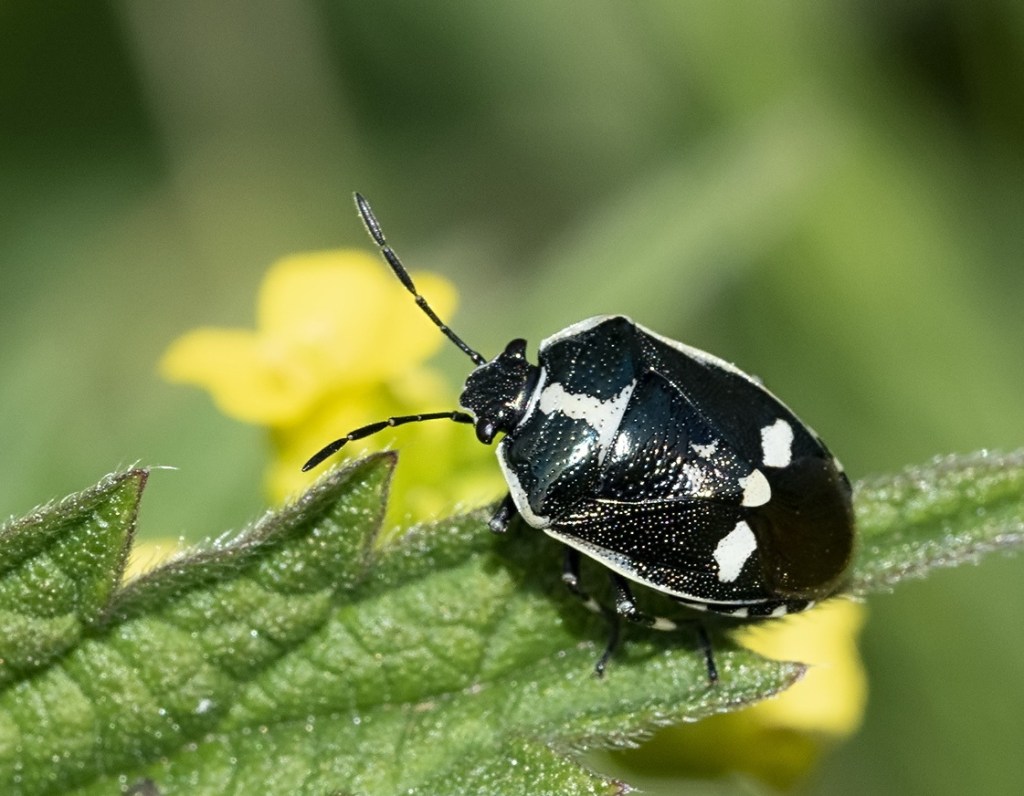
Brassica Bug Paul Rule
The three Black Poplar trees which were planted this year are all doing well. They were funded by money given in gratitude for the reserve during lockdown. Paradise and the surrounding nature reserves of Sheep’s Green and Coe Fen continue to be hugely popular with visitors, both on foot and on the river. In spite of this pressure, a walk through is always enjoyable. We are lucky to live near to such a wonderful place.
Olwen Williams olwenw@gmail.com
 Friends of Paradise Nature Reserve
You must be logged in to post a comment.